High Pressure Washer 200 Bar
The most trusted pressure tier for industrial cold water cleaning — built for daily, heavy-duty performance.
✅Reliable 200 bar output for vehicles, equipment, and industrial surfaces
✅Flexible flow rates and frame options (11–15 L/min)
✅Factory-direct, exporting to 40+ countries
Why Bar Pressure Is the First Decision in Industrial Pressure Washer Selection
Before comparing flow rates, nozzle types, or frame materials, every industrial buyer faces one decision that shapes everything else: how much bar pressure the job actually requires. Getting this wrong creates real costs on either side:
If pressure is too low:
- Tough deposits, rust, or coatings remain untouched
- Repeated passes waste labor hours and water
- Cleaning cycles take longer, slowing down operations
If pressure is too high:
- Buyers overpay for capability the application never uses
- Risk of damage to delicate surfaces or substrates
- Higher operating costs and faster pump wear than necessary
Why matching pressure to the task matters:
- A facility cleaning vehicles or workshop floors needs far less pressure than a contractor stripping industrial coatings
- The right tier reduces both maintenance costs and equipment downtime
- Pressure selection should come first — flow rate, frame type, and nozzle choice are secondary decision
This guide compares three of the most widely used industrial cold water pressure tiers:
| Tier | Best Suited For |
|---|---|
| 200 Bar | Daily-use cleaning — vehicles, equipment, workshop floors |
| 500 Bar | Heavy-duty descaling and industrial maintenance |
| 1000 Bar | Extreme applications — coating removal, surface prep |
Understanding where your daily workload falls is the fastest way to avoid both underperformance and unnecessary cost.
Not sure which pressure rating fits your application? Our engineers can recommend a configuration within 24 hours.
Why High Pressure Washer Matters for Industrial Buyers
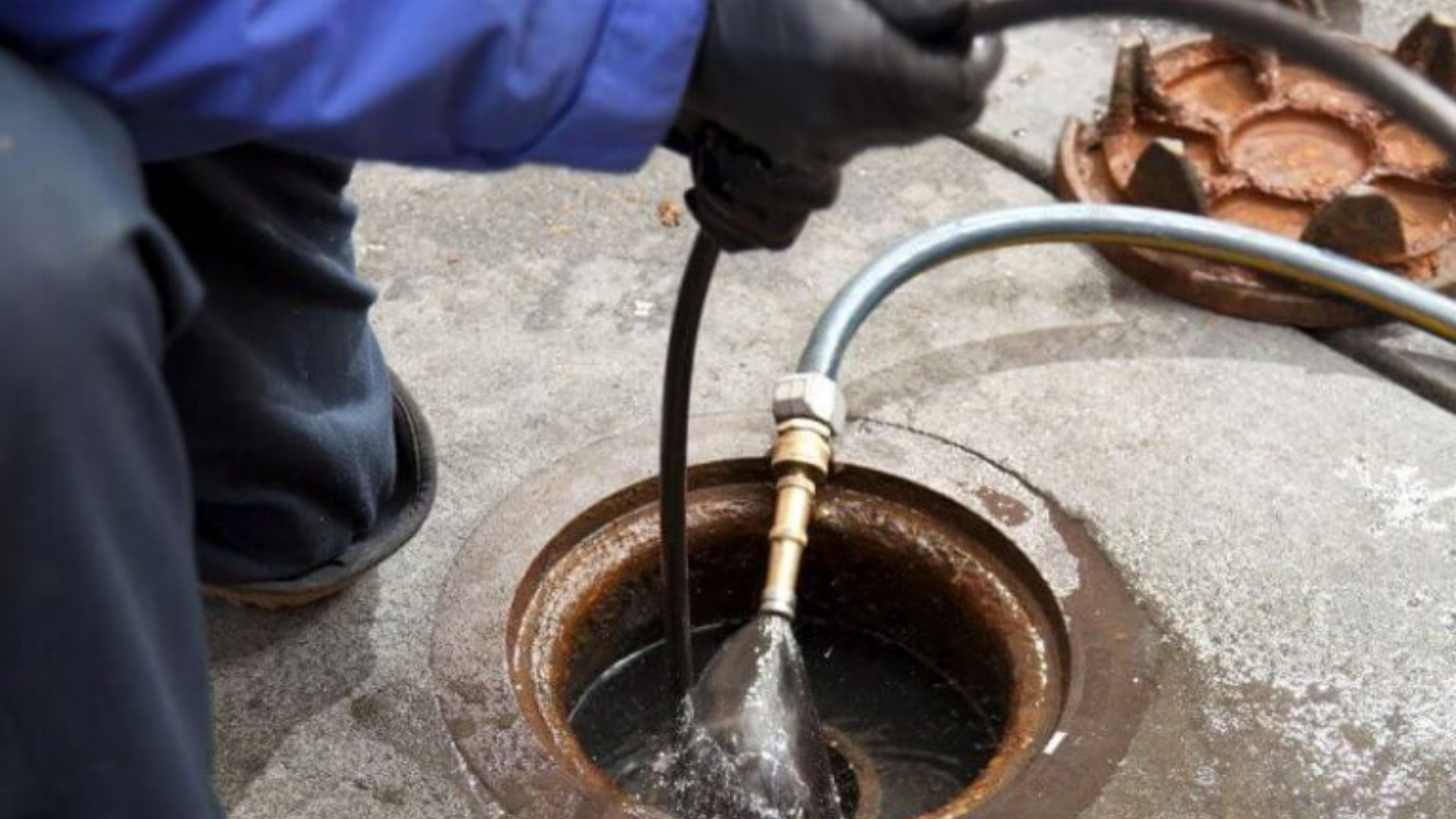
PSI — Pounds per Square Inch — measures the force of water expelled from a pressure washer nozzle. For reference: 1000 PSI equals approximately 69 Bar or 6.9 MPa, a conversion that matters when sourcing equipment across different markets or reading international spec sheets.
For industrial buyers, PSI sets the ceiling of what a machine can physically remove — bonded grease, hardened scale, oxidized coatings, or compacted debris. Machines operating below the required PSI for a given surface will run longer, consume more water, and still underdeliver.
PSI alone, however, does not tell the full story.
The actual cleaning power of any pressure washer is determined by two variables working together:
Cleaning Units (CU) = PSI × GPM
GPM — Gallons per Minute — measures water flow volume. A machine with high PSI but low GPM produces a concentrated but narrow impact. A machine balancing both delivers the force and volume needed to clear large surface areas efficiently.
- A 4000 PSI / 2.0 GPM machine produces 8,000 CU
- A 3000 PSI / 4.0 GPM machine produces 12,000 CU
The second machine — lower PSI, higher flow — cleans more effectively across most industrial applications. This is why PSI should always be evaluated alongside GPM when comparing machines or writing procurement specifications.
Industrial PSI Reference Table
| PSI Range | Bar / MPa Equivalent | Cleaning Power Level | Typical Industrial Application |
|---|---|---|---|
| 2000–3000 PSI | 138–207 Bar / 13.8–20.7 MPa | Light to medium | Municipal ground cleaning, vehicle exteriors, building facade washing |
| 3000–4000 PSI | 207–276 Bar / 20.7–27.6 MPa | Medium to heavy | Factory floors, mechanical degreasing, construction site equipment |
| 4000–5000 PSI | 276–345 Bar / 27.6–34.5 MPa | Heavy duty | Steel surface preparation, port facilities, pipeline exteriors |
| 5000–8000 PSI | 345–552 Bar / 34.5–55.2 MPa | Industrial heavy | Anti-corrosion pre-treatment, shipyard hulls, industrial plant maintenance |
| 8000–10000 PSI | 552–690 Bar / 55.2–69.0 MPa | Ultra-high pressure | Pipeline interior jetting, concrete cutting assist, severe scale removal |
High Pressure Washers for Sale—Factory Direct Supply
When evaluating high pressure washers for sale, B2B procurement teams prioritize cost, durability, and performance consistency. Our factory-direct supply model ensures that every machine delivers industrial-grade reliability without distributor markups. Engineered for demanding job sites and backed by technical support and fast logistics, our units meet real-world cleaning challenges while maintaining wholesale accessibility.
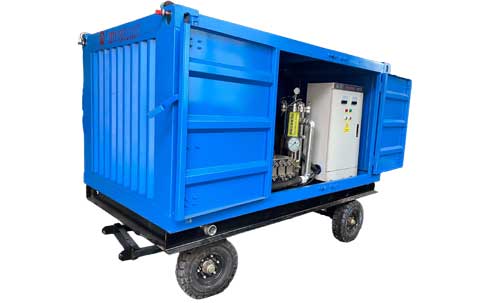
Recommended Equipment 1:
Power and working capability for heavy-duty industrial cleaning.
| Parameter | Specification |
|---|---|
| Model | GYB-3-50/1000 |
| Rate Pressure | 1000 bar / 15000 psi |
| Water Flow | 50 L/min |
| Plunger Diameter | 24mm |
| Input Speed | 1480 rpm |
| Pump Speed | 366 rpm |
| Plunger Stroke | 120 mm |
| Electric Motor Power | 90kw |
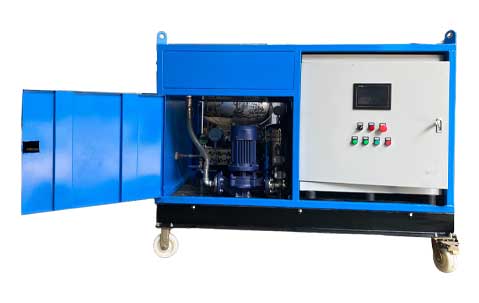
Recommended Equipment 2:
High-pressure performance for outdoor cleaning tasks.
| Parameter | Specification |
|---|---|
| Model | GYB-6-8/2000 |
| Rate Pressure | 2000 bar / 29000 psi |
| Water Flow | 8 L/min |
| Plunger Diameter | 18mm |
| Input Speed | 1480 rpm |
| Pump Speed | 1000 rpm |
| Plunger Stroke | 28 mm |
| Electric Motor Power | 37kw, 380V 50HZ |
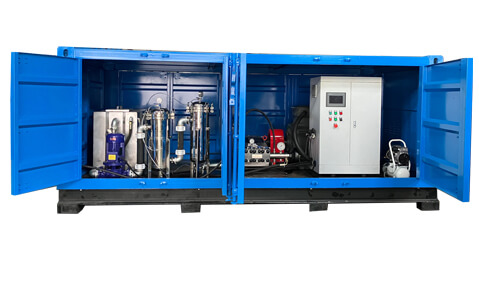
Recommended Equipment 3:
Stable pressure output for industrial building cleaning.
| Parameter | Specification |
|---|---|
| Model | GYB-6-31/2500 |
| Rate Pressure | 2500 bar / 36250 psi |
| Water Flow | 31 L/min |
| Plunger Diameter | 18mm |
| Input Speed | 1480 rpm |
| Pump Speed | 366 rpm |
| Plunger Stroke | 120 mm |
| Electric Motor Drive | Power: 160kw |
Why Choose Us as Your Industrial High Pressure Cleaning Machine Supplier?
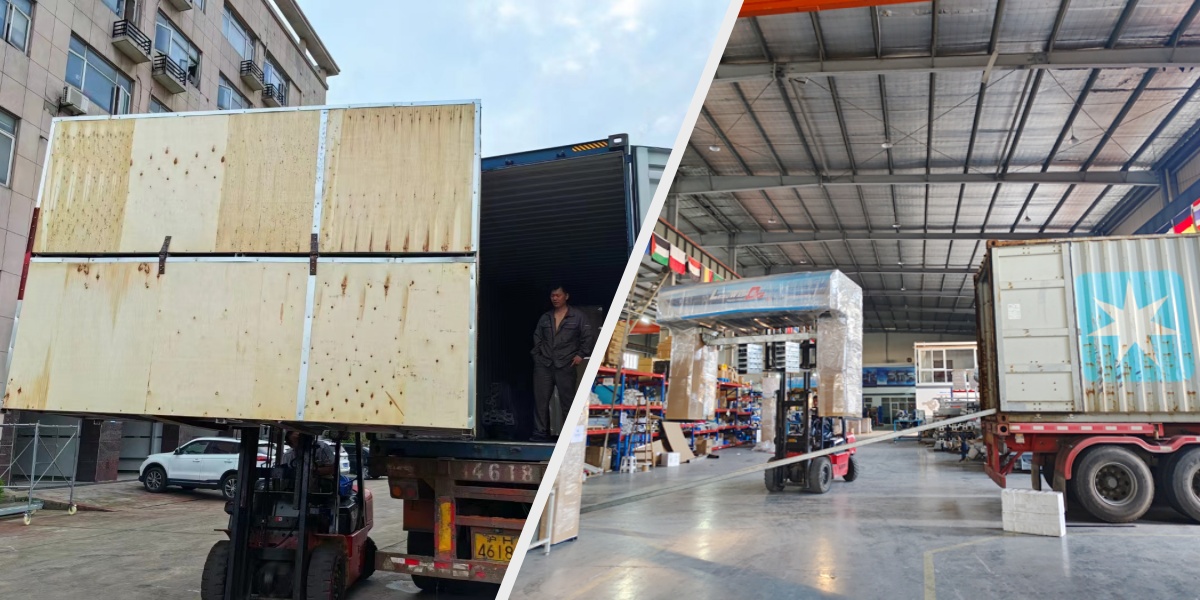
In an industry flooded with middle-men, we stand out as a high pressure cleaning machine manufacturer China that owns the entire process—from the initial CAD drawing to the final sea-freight container. Our high-pressure washers for sale are available through multiple convenient channels to meet diverse customer needs. Buyers can choose factory direct sales without any difficulty.
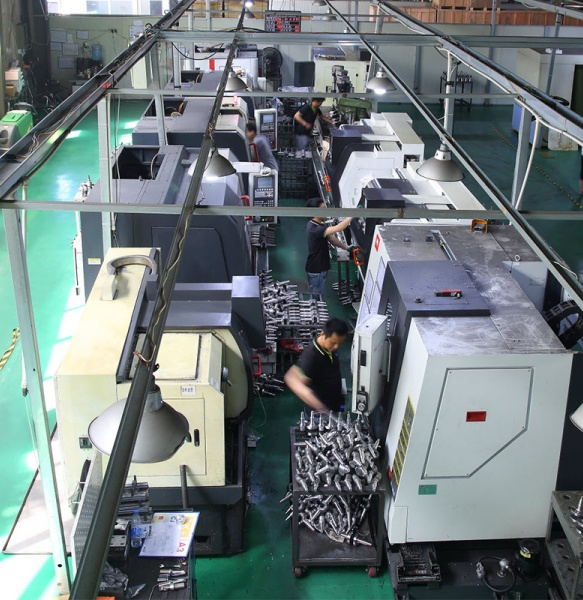
Unlike a standard washer machines high pressure factory, we are high pressure cleaing machine factories have achieved full vertical integration by manufacturing our own core components.This dual capability as both a high-volume. High pressure machine factories hub and a precision-driven high pressure washer machine manufacturer allows us to guarantee superior quality while significantly reducing procurement costs for our global partners.
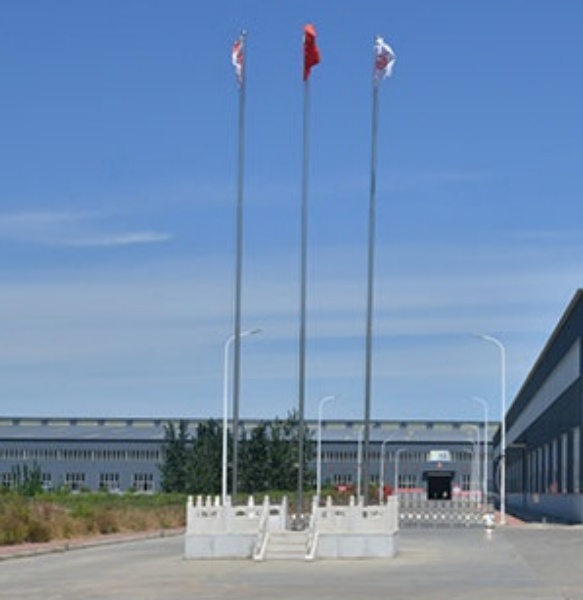
Supplier Reliability and Stability
Brand Guarantee
Our status as a motor high pressure cleaing machine factories ensure that every unit—from a 1400W high-pressure washer manufacturer specification to a high-power pressure washer manufacturer-grade motor—is built to industrial standards.
Heavy-Duty industrial systems
Our high-pressure washer factories feature multiple specialized assembly lines, enabling us to fulfill both large-scale orders and high-end customization requirements simultaneously.
After-sales arrival support
- Nationwide warranty and factory direct after-sales support
- Large stock of accessories available
- Free guidance on installation and debugging
- Regular maintenance and replacement of parts to ensure long-term efficient operation
Our Independent R&D Team
Strict testing protocols
Before a single unit leaves our high-pressure washer facility, We manufacture high-pressure washing equipment built to vehicle-manufacturer-grade standards, featuring high-pressure hoses with a burst pressure rating of 2.5 to 3.5 times the rated working pressure.
Customization OEM
As a flexible supplier of high-pressure washers, we offer extensive customization services. From technical design to final assembly, we ensure that every unit produced by our manufacturing facility precisely meets your specific requirements.
Direct factory advantage
We offer direct factory-to-customer shipping. This means you source directly from our high-pressure washer factories, bypassing all intermediaries and ensuring the fastest possible lead times.
Our Certifications
Our industrial electric high pressure washers are manufactured according to international quality standards and hold certifications such as ISO 9001, CE, and other relevant industry approvals. These certifications guarantee that every unit meets strict safety, performance, and durability requirements, providing our customers with reliable and high-quality cleaning solutions worldwide.

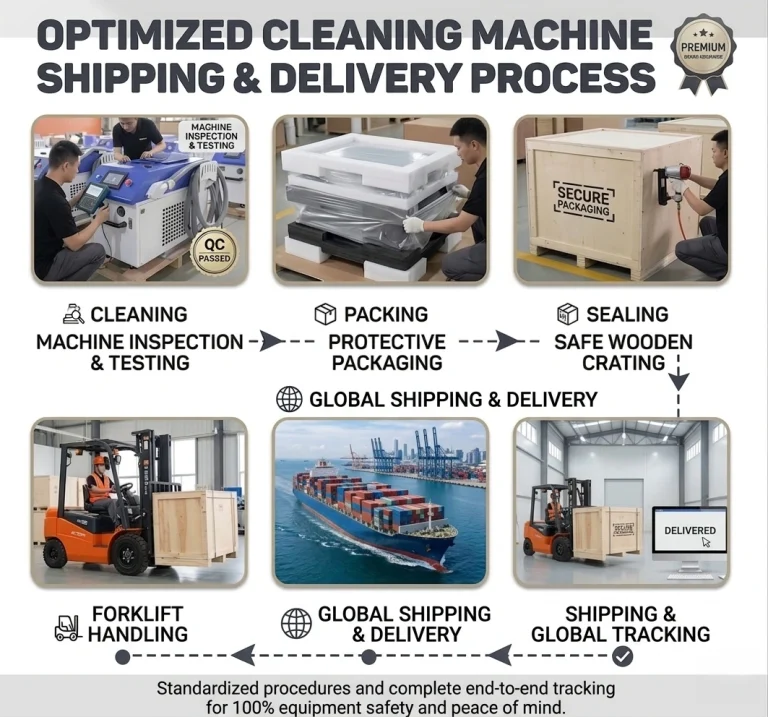
Our Global Export & Logistics Capabilities
Pre-shipment inspection & testing
Before any high pressure cleaning machine leaves our facility, it undergoes a 100% QC check. We test the pump’s pressure stability, engine thermal limits, and safety valve triggers. A “QC Passed” certificate and a detailed testing video are provided to the client for peace of mind.
Global logistics & export documentation
We provide lots of logistics service and careful export documentation:
Bills of Lading (B/L)
Commercial Invoices & Packing Lists
Certificates of Origin (CO)
Compliance Certificates (CE/EPA/UL)
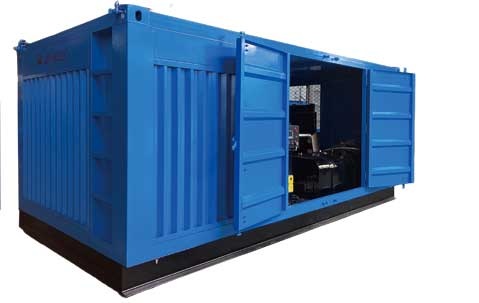
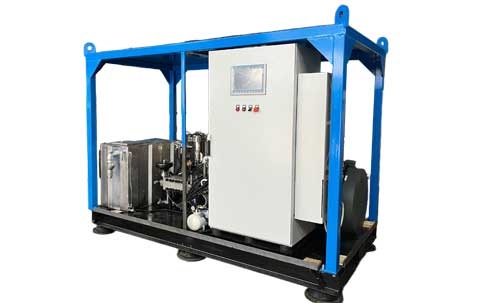
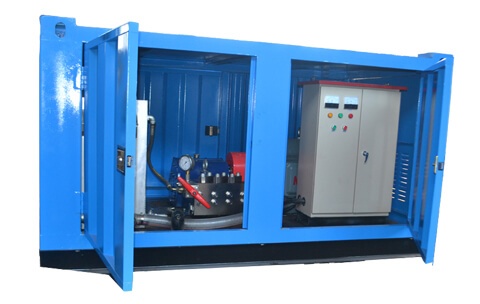
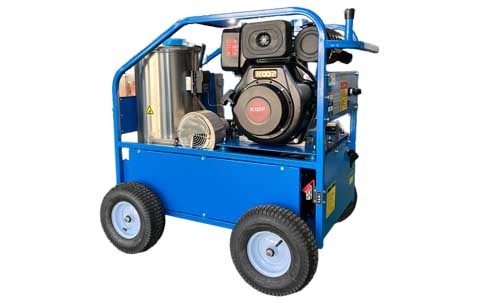
Hot Selling High Pressure Washer Models
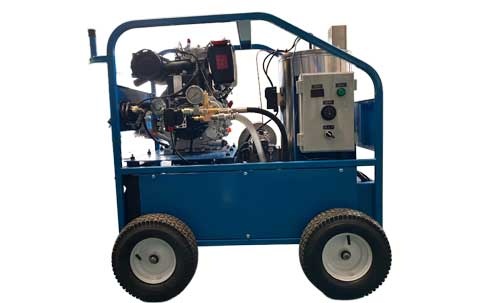
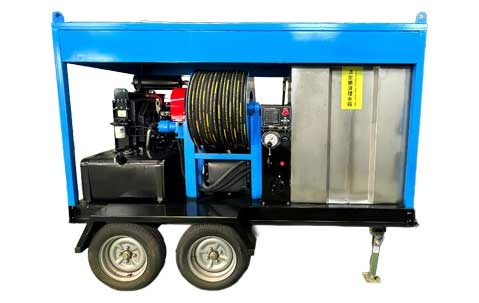
The High-Pressure Hot Water Cleaner is a heavy-duty cleaning machine that delivers scalding hot water (up to 80–95°C / 176–203°F) combined with high-pressure jets (up to 100–200 bar) to blast away grease, oil, dirt, and tough stains.
Here are some hot selling models, and you can always contact us for a customized machines.
Key Specs Beyond Pressure That Determine Real Cleaning Performance
When evaluating a high pressure washer, PSI or bar is only part of the equation. Real-world cleaning results—and your operating costs—are determined by three other technical specifications that most buyers overlook.
Flow Rate (L/min or GPM)
Flow rate measures the volume of water the machine delivers per minute. It directly determines how quickly debris is flushed from the surface.
- Pressure vs. Flow: High pressure breaks the bond between contaminant and surface, but it is flow rate that carries the loosened material away.
- Cleaning speed: A machine with high pressure but low flow will clean effectively in a narrow path but will take significantly longer to cover large surface areas.
- Application impact: For factory floor cleaning, municipal pipe flushing, or heavy equipment washing, high flow is often more critical than extreme pressure.
- Cost efficiency: Faster flushing reduces labor hours per job and lowers per-project costs.
- Debris handling: High flow is essential for moving heavy debris such as mud, sand, sludge, or industrial residue.
- Selection rule: Always evaluate pressure and flow together. A balanced combination determines whether a machine is viable for continuous shift-based operation or only suitable for intermittent light-duty tasks.
Pump Quality and Pump Type
The pump is the heart of the machine. The technology inside it dictates long-term performance, maintenance costs, and service life.
- Triplex plunger pumps: Industrial-grade systems use three-cylinder designs that deliver smoother water flow, reduced pressure pulsation, and significantly longer service life under continuous load.
- Axial cam pumps: Consumer-grade machines use cheaper pumps that wear out rapidly under sustained industrial use. They cannot be serviced—only replaced.
- B2B implication: Pump type determines whether a machine can run 8+ hours per shift without performance drop, and whether maintenance costs remain manageable.
- Repairability: Triplex pumps allow individual replacement of valves, seals, and plungers, making field repair possible.
- Service life: Industrial triplex pumps typically last 5–10 years or more, compared to 1–3 years for consumer-grade pumps.
- Sourcing priority: Investing in a pump that matches your duty cycle is the single most important decision in equipment procurement. A high PSI rating means nothing if the pump cannot sustain it across a full work week.
Duty Cycle and Continuous Operating Capability
Duty cycle refers to the duration a machine can operate continuously at full rated pressure without overheating or requiring a cool-down period.
- Consumer-grade limitation: Typical units are rated for intermittent use—20 to 40 minutes of operation followed by a mandatory rest period.
- Industrial standard: True industrial machines are designed for continuous operation at 100% duty cycle—running throughout an entire shift without interruption.
- Operational reality: Cleaning operations rarely happen in short bursts. Pipe cleaning, municipal drainage maintenance, and factory floor washing require consistent output hour after hour.
- Risk of ignoring duty cycle: Overlooking this specification leads to unexpected breakdowns, reduced cleaning speed during cooldown cycles, and project delays that inflate labor costs.
- Productivity impact: Intermittent machines force operators to stop and wait, reducing effective cleaning time and increasing job completion time.
- Procurement advice: Always confirm that the equipment supports your required operating duration. This prevents productivity losses and ensures reliable performance over the machine’s lifecycle.
200 Bar Cold Water High Pressure Washers
Among all industrial pressure tiers, 200 bar high pressure washers remain the most widely adopted choice for daily operations. A 200 bar cold water high pressure washer delivers enough force to cut through grease, grime, and general industrial buildup, while staying gentle enough for regular use on vehicles, equipment, and floor surfaces. For facilities running multiple cleaning cycles per day, this balance of power and practicality makes the 200 bar high pressure cleaner one of the most cost-effective long-term investments in a cleaning fleet.
Flow Rate & Frame Configurations
A high-pressure washer 200 bar unit isn’t a single fixed spec — flow rate and frame construction can be matched to how the machine will actually be used:
- 15 L/min, base configuration — standard setup for general industrial cleaning tasks
- 15 L/min, mild steel (MS) frame — durable, cost-efficient option for indoor or sheltered use
- 15 L/min, without frame — compact build for integration into existing equipment or custom installations
- 11 L/min, stainless steel (SS) frame — corrosion-resistant choice for humid, outdoor, or wash-down environments
- Pump-only configuration (200 bar pump) — for buyers retrofitting or building custom systems around an existing setup
This range of configurations means a 200 bar high-pressure washer can be specified precisely around frame durability, flow requirements, and installation environment, rather than forcing a one-size-fits-all purchase.
Typical Applications for 200 Bar
200 bar sits in the “daily workhorse” range — strong enough for regular industrial use, without the cost or complexity of heavier-duty tiers:
- Vehicle and fleet cleaning — trucks, machinery exteriors, and transport equipment
- Industrial equipment maintenance — removing dirt, oil residue, and light buildup from machinery
- Workshop and facility floor cleaning — general industrial flooring, loading docks, and work areas
- Routine site upkeep — construction sites, warehouses, and processing facilities needing consistent daily cleaning
For operations with predictable, recurring cleaning needs, a 200 bar cold water high pressure washer typically covers the job without the higher operating costs associated with 500 bar or 1000 bar systems.
500 Bar High Pressure Jet Washers
When daily-use 200 bar machines aren’t enough, 500 bar high pressure washers step in to handle heavier industrial demands. A 500bar high pressure washer generates significantly more cutting force, making it the preferred choice for tasks that 200 bar units simply can’t tackle efficiently — thick rust layers, hardened scale, old coatings, and stubborn industrial buildup that would otherwise require chemical treatment or manual labor. For maintenance teams and contractors dealing with heavy-duty surface conditions, a high pressure jet washer 500 bar offers the strength to get the job done in fewer passes, with less reliance on harsh cleaning agents.
This tier is commonly specified for:
- Rust and corrosion removal on industrial equipment, tanks, and structural steel
- Coating and scale removal ahead of repainting, recoating, or inspection
- Pipeline and pipe interior maintenance, where built-up deposits restrict flow or accelerate wear
- Heavy machinery descaling, particularly in manufacturing and processing environments
Because 500 bar systems run at higher pressure and typically demand more from the pump and frame components, they’re built for operations where reliability under sustained heavy use matters as much as raw cleaning power.
21.5 L/min vs 30 L/min — Which Flow Rate Fits Your Job
At 500 bar, flow rate is what differentiates precision maintenance work from large-area heavy-duty cleaning:
- 21.5 L/min is typically better suited for pipeline and pipe interior maintenance, where a more controlled, concentrated water jet is needed to clear deposits without excessive water use in confined spaces.
- 30 L/min is better suited for large-area descaling and rust removal, such as structural steel, tanks, or wide equipment surfaces, where higher volume helps cover more area per pass and reduces overall job time.
As a general rule: if your work involves narrow, enclosed, or precision-targeted cleaning, the lower flow rate is usually more efficient. If your work involves open, large-surface heavy-duty cleaning, the higher flow rate will save time and labor across bigger jobs.
Not sure whether 21.5 L/min or 30 L/min fits your specific application? Send us your job details and our team will recommend the right configuration within 24 hours.
1000 Bar Ultra-High Pressure Washers
At the top of the industrial pressure range, 1000 bar high pressure washers are built for jobs that exceed what even 500 bar systems can efficiently handle. This tier generates extreme cutting force, capable of removing materials that are bonded, hardened, or layered far beyond standard rust or scale — making it a specialized tool rather than a general-purpose machine.
1000 bar systems are typically specified for:
- Heavy coating and lining removal — multi-layer industrial coatings, old paint systems, or protective linings that resist lower-pressure cleaning
- Concrete surface preparation — removing weak surface layers, laitance, or contamination before resurfacing, repair, or recoating
- Hard deposit removal in demanding industrial environments — applications where standard descaling methods are no longer effective
- Specialized maintenance in oil, gas, and heavy infrastructure sectors, where extreme buildup or bonded residue requires maximum cutting power
When You Need 1000 Bar — and When You Don’t
It’s worth being direct here: most industrial cleaning tasks do not require 1000 bar. This tier exists for a narrow set of demanding applications, and selecting it for general maintenance work usually means paying for capability that goes unused, along with higher operating costs and faster component wear.
1000 bar is the right choice when:
- The material being removed is multi-layered, deeply bonded, or resistant to 500 bar cleaning
- The job involves concrete or structural surface preparation rather than routine cleaning
- Lower pressure tiers have already been tried and proven insufficient for the task
If your application falls into general maintenance, vehicle cleaning, or routine descaling, a 200 bar or 500 bar system will typically deliver better value and lower long-term operating costs.
This is precisely the kind of decision worth verifying before purchase — choosing the wrong tier in either direction means either unresolved cleaning problems or unnecessary equipment and operating costs. Share your specific application details, and our engineering team will confirm whether 1000 bar is genuinely necessary, or recommend a more cost-effective alternative — typically within 24 hours.
200 Bar vs 500 Bar vs 1000 Bar Cold Water High Pressure Washers
With three distinct pressure tiers covered, the question most buyers are left with is simple: which one actually fits my operation? The table below brings the key decision factors together in one place, making it easier to compare pressure range, flow rate, typical industries, and the type of buildup each tier is designed to handle.
| Specification | 200 Bar | 500 Bar | 1000 Bar |
|---|---|---|---|
| Pressure Range | 200 bar | 500 bar | 1000 bar |
| Typical Flow Rate | 11–15 L/min | 21.5–30 L/min | Application-specific |
| Best Suited For | Daily-use cleaning | Heavy-duty maintenance | Extreme industrial tasks |
| Typical Industries | Fleet & vehicle services, general manufacturing, facility maintenance | Pipeline maintenance, steel & equipment maintenance, processing plants | Oil & gas, heavy infrastructure, concrete & coating contractors |
| Dirt/Buildup Type | Grease, grime, light industrial residue | Rust, scale, old coatings, pipe deposits | Multi-layer coatings, bonded residue, concrete laitance |
| Operating Cost | Lowest | Moderate | Highest |
| Frame Options | Base, MS frame, SS frame, frameless (pump-only) | Standard heavy-duty frame | Reinforced industrial frame |
A few patterns are worth highlighting from this comparison. Pressure and flow rate don’t move independently — as bar rating increases, the type of buildup the machine is designed to remove becomes correspondingly more resistant, and the equipment itself is built with heavier-duty components to withstand that workload. This is also why operating cost rises with pressure tier: higher-pressure systems demand more from pumps, seals, and frames, and that engineering shows up in both purchase price and long-term running costs.
For buyers still narrowing down a choice, a useful starting question is: what condition is the surface or material in right now, and has a lower-pressure method already failed to clean it effectively? If the answer points to standard grime or routine maintenance, 200 bar remains the most economical option. If existing equipment has already struggled with rust, scale, or coating removal, 500 bar is the more realistic fit. 1000 bar should generally be reserved for confirmed extreme cases — bonded, multi-layer materials or concrete preparation work — rather than treated as a default upgrade.
It’s also worth noting that flow rate and frame configuration can be adjusted within each tier. A 200 bar setup, for example, can be specified with a stainless steel frame for humid environments, or as a pump-only configuration for integration into existing systems. This flexibility means the right tier doesn’t have to come with a rigid, one-size-fits-all specification.
As a high pressure washer 200 bar supplier with configurations spanning all three tiers, we work directly with buyers to match flow rate, frame type, and pressure rating to the actual job — rather than defaulting to whichever model has the highest spec sheet number.
Not sure which tier, flow rate, or frame configuration fits your application? Share your cleaning requirements and our team will recommend the right setup, typically within 24 hours.
Diesel, Gasoline, or Electric? Advice from the Real Manufacturer
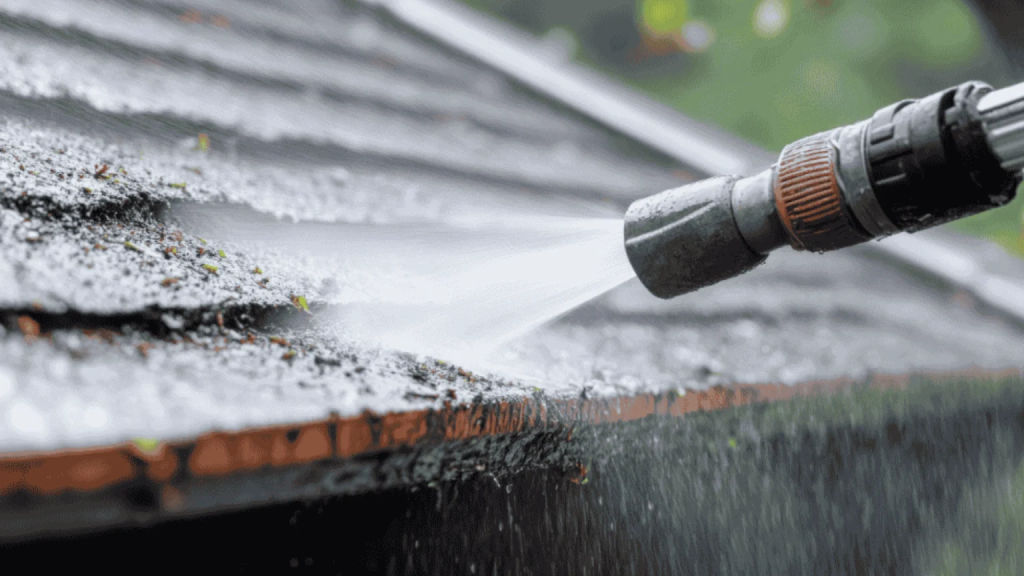
Choosing between diesel, gasoline, and electric sewer jetting machines depends mainly on the working environment, cleaning intensity, mobility requirements, and daily operating time. Each power system offers different advantages for specific industrial and municipal applications, so selecting the correct configuration can greatly improve cleaning efficiency and reduce long-term operating costs.
Diesel Sewer Jetting Machines
Diesel-powered sewer jetters are widely used for heavy-duty industrial and municipal cleaning projects because they provide strong continuous power output and excellent performance in remote outdoor environments without stable electricity access.
Key Advantages
- Strong continuous working capability
- Suitable for high-flow industrial cleaning
- Ideal for outdoor and remote job sites
- Better fuel efficiency during long operation
- Excellent for trailer-mounted systems
Real Application Case
A municipal maintenance contractor uses a diesel-powered trailer-mounted sewer jetter to clean underground city drainage pipelines before the rainy season. The machine operates continuously for long hours while handling heavy sludge and large pipe diameters.
Gasoline Sewer Jetting Machines
Gasoline-powered sewer jetters are popular for medium-duty commercial cleaning tasks because they offer good mobility, flexible operation, and relatively lower equipment cost compared with large diesel systems.
Key Advantages
- Portable and easy to transport
- Good balance between performance and cost
- Flexible outdoor operation
- Faster startup and simple handling
- Suitable for medium-duty cleaning task
Real Application Case
A commercial drain cleaning company uses a gasoline sewer jetter for restaurant grease blockage removal and shopping mall drainage maintenance, allowing technicians to move easily between multiple service locations during daily operations.
Electric Sewer Jetting Machines
Electric sewer jetters are commonly used for indoor or fixed-location applications where stable electricity is available. They are preferred for their lower noise level, lower maintenance requirements, and environmentally friendly operation.
Key Advantages
- Low noise operation
- Lower maintenance cost
- Clean and environmentally friendly
- Stable pressure output
- Easy indoor operation
Real Application Case
A food processing factory installs an electric sewer jetting machine inside its maintenance department to perform regular wastewater pipeline cleaning without generating excessive noise or exhaust emissions inside the facility.
Manufacturer’s Recommendation
The best sewer jetting machine depends on your actual working conditions and cleaning requirements
- Choose a diesel sewer jetter for heavy-duty industrial or municipal applications requiring long continuous operation.
- Choose a gasoline sewer jetter for flexible outdoor commercial cleaning with moderate workload requirements.
- Choose an electric sewer jetter for indoor environments, low-noise operation, and fixed-location maintenance work.
Selecting the right power system helps improve cleaning efficiency, reduce downtime, and ensure long-term stable performance for sewer and drainage maintenance operations.
Quick Comparison Table
| Washer Type | Power Source | Best For | Key Advantage |
|---|---|---|---|
| Diesel Sewer Jetting Machine | Diesel Engine | Heavy-duty, outdoor industrial cleaning | Continuous high pressure, robust and durable |
| Gasoline Sewer Jetting Machine | Gasoline Engine | Medium-scale, portable tasks | Flexible and easy to move, reliable performance |
| Electric Sewer Jetting Machine | Electric Motor | Indoor or low-noise environments | Eco-friendly, low maintenance, quiet operation |
Ready To Take The Next Step?
Whether you need a diesel, gasoline, or electric high pressure sewer jetting machine, choosing the right configuration is essential for efficient and reliable sewer cleaning performance. Our factory-direct industrial sewer jetters are designed for municipal, commercial, and industrial drainage applications with stable pressure, durable components, and customizable solutions.
Contact us today for professional recommendations, technical support, and the best sewer jetting solution for your project.
How to Select the Right Pressure Washer — Industrial Buyer’s Checklist
After comparing pressure tiers, flow rates, and frame options, the final step is narrowing those choices down to a single recommendation for your specific operation. Rather than starting with “which pressure rating sounds strongest,” it’s more effective to start with the actual conditions of your job. The following factors are what our engineering team typically walks through with buyers before recommending a configuration.
What type of buildup are you removing?
The nature of the dirt or residue is usually the single biggest factor in pressure selection:
- Light grease, grime, or dust → 200 bar is typically sufficient
- Rust, scale, or old coatings → 500 bar is generally required
- Bonded, multi-layer coatings or concrete surface contamination → 1000 bar may be necessary
If a lower-pressure machine has already been tried and failed to clean the surface effectively, that’s a strong signal to move up a tier rather than staying at the current pressure rating.
What surface or material are you cleaning?
Surface sensitivity matters as much as the buildup itself. Vehicles, equipment housings, and general facility surfaces are typically more sensitive and better matched to 200 bar systems, while structural steel, pipelines, and concrete can usually tolerate — and often require — the higher cutting force of 500 bar or 1000 bar systems. Choosing pressure based on surface tolerance helps avoid unintended surface damage.
How often will the machine be used?
Usage frequency affects which configuration delivers the best long-term value:
- Daily or near-daily use → 200 bar systems offer the lowest operating cost and easiest maintenance over time
- Periodic heavy maintenance (weekly or monthly heavy-duty jobs) → 500 bar systems balance power with manageable running costs
- Occasional, specialized jobs → 1000 bar systems make sense even with higher per-use cost, since they’re not running continuously
What flow rate and frame configuration fits your setup?
Once pressure tier is determined, flow rate and frame material should match your environment — stainless steel frames for humid or outdoor conditions, mild steel for indoor use, and pump-only configurations for integration into existing systems.
These four factors — buildup type, surface material, usage frequency, and configuration needs — cover the majority of decisions buyers face when selecting between pressure tiers. In most cases, working through them in order leads to a clear answer without needing to compare every possible spec combination manually.
If you’re still weighing your options, the fastest path forward is simply describing your application directly to our team. Share the type of buildup, surface material, and how often the machine will run, and we’ll recommend a specific pressure tier, flow rate, and frame configuration — typically within 24 hours.
Our High PSI Cleaning Washer Success Stories& Real Cases Worldwide
Applications
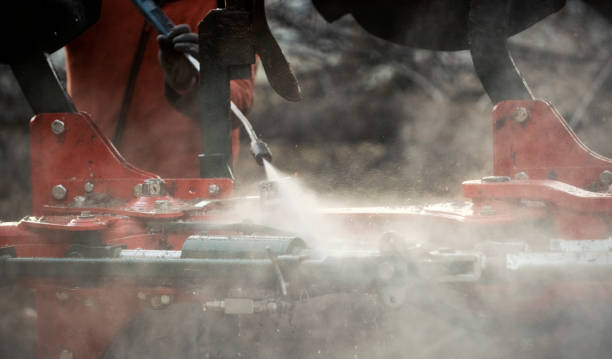
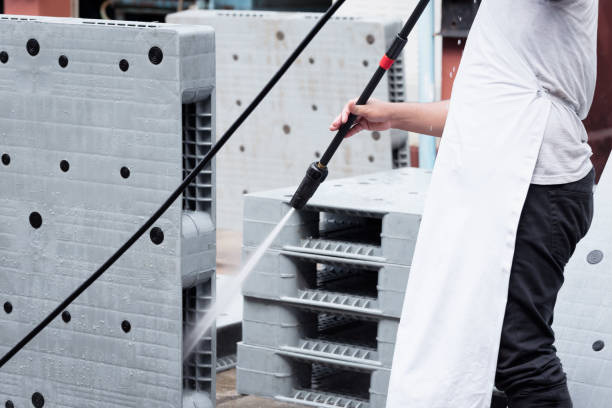
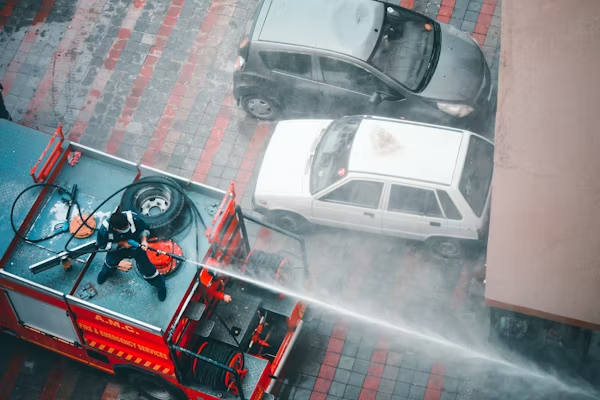
Power pressure washers are essential tools for industrial environments where grease, oil, and stubborn dirt accumulate on machinery and equipment. Our power pressure washers provide fast, efficient, and safe cleaning solutions that improve operational efficiency and protect sensitive surfaces.
Factory Equipment Cleaning

Construction Industry
Pharmaceutical Industry
Public Industry
Heavy Machinery Maintenance

Food Processing Industry
Industrial Vehicle Fleet Cleaning
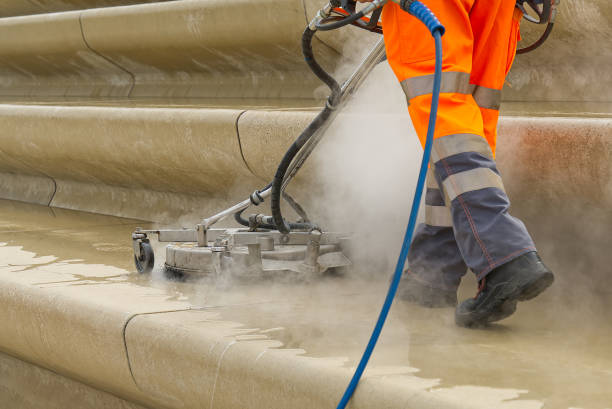
Marine Equipment Cleaning
Factory Equipment Cleaning: Industrial factories use pressure washers to clean assembly lines, conveyor belts, and manufacturing machines. The hot high-pressure water quickly removes grease, oil, and dust, reducing downtime and improving overall production efficiency.
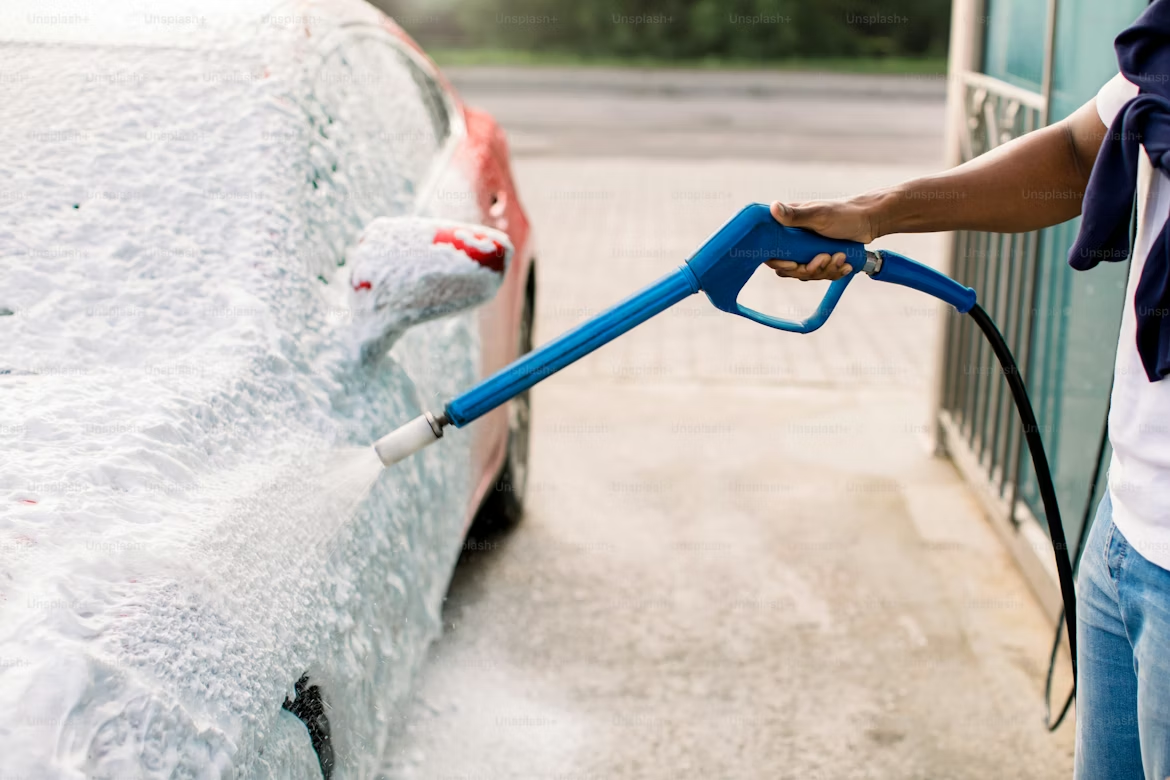
Food Processing Industry: Food processing plants rely on power pressure washers to sanitize processing equipment, cutting tables, and storage tanks. The high temperature not only cleans effectively but also reduces bacteria and ensures compliance with hygiene standards.
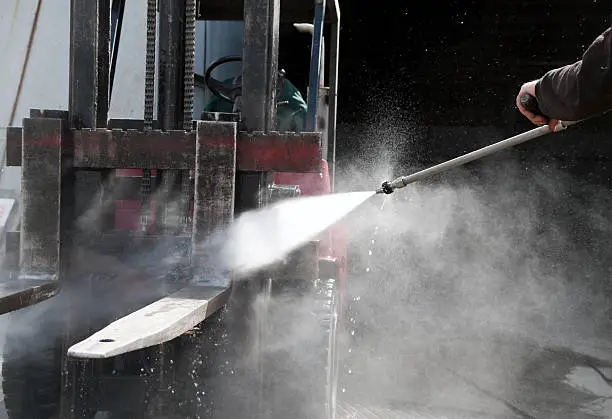
Heavy Machinery Maintenance: Construction and mining companies utilize hot water high-pressure washers to clean trucks, dumpers, excavators, and bulldozers. Efficient dirt and mud removal prolongs machinery life and facilitates early detection of wear or damage.
Marine Equipment Cleaning: Shipyards and port facilities deploy power pressure washers for decks, hulls, and heavy marine equipment. Hot high-pressure water dissolves grease and grime while preventing corrosion, saving labor and maintenance costs.
Global Real Cases
Our industrial power pressure washers are trusted by clients worldwide for heavy-duty cleaning, fleet maintenance, and factory sanitation.
Case Study 1
Municipal Drainage Network Maintenance – Europe & Germany
A German municipal contractor operating 15 engineering vehicles for drainage maintenance faced a critical bottleneck: existing 120 bar equipment couldn’t handle main pipeline jetting, forcing expensive outsourcing while failing EU Stage V emission standards. We deployed our 250 bar / 120 LPM diesel truck-mounted system directly onto their fleet vehicles, meeting all compliance requirements without additional infrastructure. Result: 40% reduction in annual outsourcing costs, first-submission environmental approval, and repeat orders of 3 then 5 units — proving our ability to deliver compliant, high-performance solutions for European municipal infrastructure operations.
Case Study 2
Food Production Line Sanitization – Asia & Japan
A Japanese food processing operation struggled with HACCP compliance: their hot water system delivered only 55–65°C (below HACCP thresholds) and required 4-hour daily sanitization cycles that compressed production time. We deployed our 155°C electric steam pressure machine with food-grade detergent injection — no facility modification needed. Result: bacterial compliance improved from 92% to 99.7%, HACCP audit passed, cleaning time cut to 2.5 hours (recovering 1.5 hours per shift), and the solution was rolled out to two additional group facilities — proving our capacity to deliver precision sanitation solutions meeting the strictest food safety standards across Asian markets.
Case Study 3
Remote Industrial Processing Equipment Cleaning – Southeast Asia & Indonesia,
An Indonesian palm oil facility faced three interconnected challenges: rapidly hardening oil deposits in tropical conditions, unstable power supply that had damaged two electric machines, and no local repair capability in the remote location. Our 180 bar / 60 LPM diesel hot water trailer-mounted machine — equipped with overload protection, automatic pressure relief, and pre-shipped wear parts kit — solved all three simultaneously. After 18 months of continuous high-heat, high-humidity operation with zero major failures, the facility achieved 65% improvement in grease removal efficiency and 45% reduction in chemical consumption. Two neighboring facilities independently ordered based on direct referral — demonstrating our capacity to deliver reliable, self-sufficient solutions for remote industrial operations across Southeast Asian markets where equipment durability and local support are critical.
Whether you are searching for an Industrial power pressure washer India or a specialized unit in the Americas, our export infrastructure is built to support you.
Our Hot Selling High Pressure Machine
High-pressure cleaning machine
200 – 1500 Bar
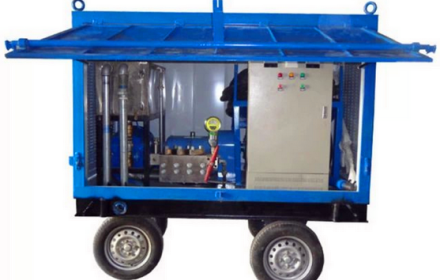
High-pressure concrete roughening equipment
500 – 1500 Bar
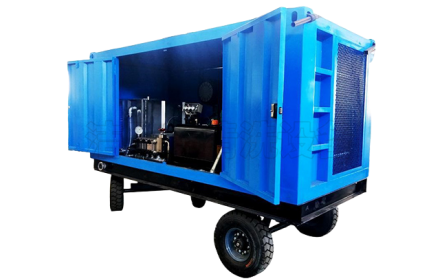
High-pressure plunger water pump
200 – 1500 Bar
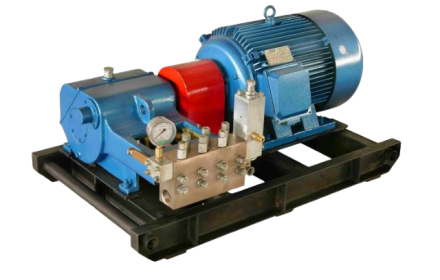
High-pressure sewer drain machine
200 – 500 Bar
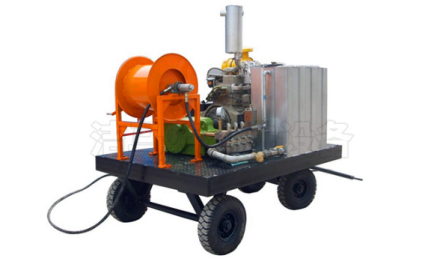
High-pressure hot water cleaning machine
200 – 300 Bar
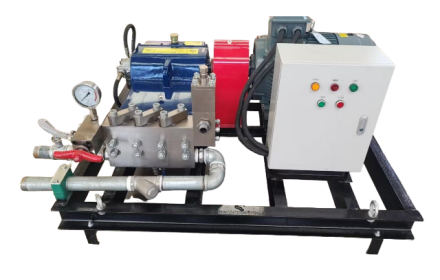
High-pressure grouting pump
500bar
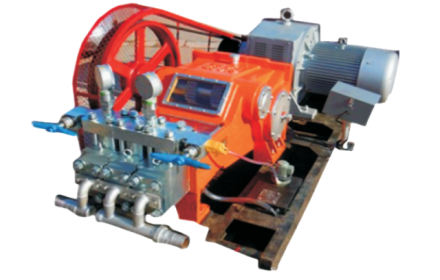
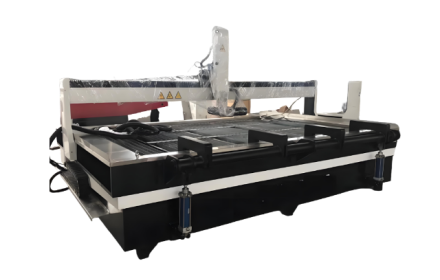
Water jet cutting machine
350 – 3000 Bar
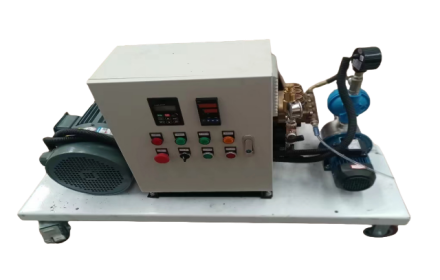
High-pressure test pump
50 – 750 Bar
. QUESTIONS
Common Questions
Is 200 bar enough for industrial cleaning?
- Suitable for daily industrial tasks: workshop floors, vehicle fleets, equipment washing, and building facades.
- Not suitable for heavy-duty jobs: thick scale removal, rust stripping, or pipe descaling — these require 350 bar and above.
- Cost-effective choice: lower equipment cost, reduced pump wear, and better energy efficiency for maintenance-focused operations.
What is the flow rate range for a 200 bar machine?
- Typical range: 10–22 L/min, depending on pump size and motor power.
- Higher flow improves productivity: 15 L/min for general washing; 20+ L/min for municipal or drainage applications.
- Always evaluate pressure and flow together — low flow at 200 bar leads to slower cleaning and higher labor costs.
What pump type is used in a 200 bar industrial washer?
- Industrial models use triplex plunger pumps — smoother flow, longer life, and serviceable components.
- Consumer-grade units use axial cam pumps — cheaper but not durable for continuous industrial use.
- Check pump type before buying — it determines lifespan, repairability, and total cost of ownership.
What are your payment terms?
T/T, L/C, Trade Assurance(By Alibaba), Western Union.
Do you provide technical manuals and direct shipment from the factory worldwide?
Yes. Every export model comes with a comprehensive high-pressure washer manual (or the relevant model’s guide), including exploded views and part numbers. Of course, we offer direct factory-to-customer shipping. This eliminates middleman costs, ensures the fastest lead times, and guarantees that you receive authentic equipment straight from our manufacturing facility.
Do you supply spare parts, accessories, and protective gear?
Yes, absolutely. We are not just an assembly factory; we are a comprehensive high-pressure washer pump factory and accessories manufacturer.
Still have questions? Contact our engineers now.
High Pressure Washer 200 Bar
The most trusted pressure tier for industrial cold water cleaning — built for daily, heavy-duty performance.
✅Reliable 200 bar output for vehicles, equipment, and industrial surfaces
✅Flexible flow rates and frame options (11–15 L/min)
✅Factory-direct, exporting to 40+ countries