High Pressure Washing Machine Price
Get the most competitive industrial high pressure washer pricelist for international clients. Our factory provides full OEM customization, technical support, and transparent wholesale pricing.
✅Entry-Level(200–280 bar) — $1,800–$3,500
✅Mid-Range Professional(500–900 bar) — $3,800–$8,500
✅Industrial & Specialized(1000–1200+ bar) — $9,000–$18,000+
✅Ultra-High Pressure (1500–3000+ bar) — $40,000–$60,000+
Industrial High Pressure Washing Machine Price

The key to high-pressure cleaning machine investment decisions lies not in price itself, but in alignment. Industrial cold-water high-pressure washing machine price ranging from $1,800 to $60,000+, yet the real value behind the price tag is often overlooked.
Whether managing pipelines, infrastructure, or heavy industrial facilities, there’s a common misconception: cheap machines are unreliable, expensive ones always justified. Price is not the deciding factor—the right choice depends on bar rating, flow capacity, and your actual application.
This guide breaks down the real value at each price tier. By understanding what drives pricing, you’ll make smarter investment decisions and significantly reduce long-term operating costs while improving cleaning efficiency.
High Pressure Washing Machine for Sale
Industrial high-pressure washers don’t come in one-size-fits-all. Here’s how equipment configurations translate directly into price points:
Entry-Level Machines: $1,800–$3,500
200–280 bar
You looking for an affordable power wash machine price or entry-level high pressure power washer machine pricelist often start in this category.
What you get: Reliable baseline performance, simple operation, lower fuel/electric consumption, easy maintenance. These machines handle routine jobs efficiently without the premium cost of industrial-grade equipment.
Application: A facility managing routine building cleaning across 5–10 sites monthly can operate profitably at this tier. Initial investment is low; depreciation is manageable.
Mid-Range Machines: $3,800–$8,500
500–900 bar
This segment offers the best balance between performance and industrial high pressure washer price, making it popular among professional contractors.
What you get: Increased reliability, larger flow capacity, faster job completion, support for abrasive additives and specialized nozzles. These are workhorse machines built for daily heavy use.
Application: A facility managing routine building cleaning across 5–10 sites monthly can operate profitably at this tier. Initial investment is low; depreciation is manageable.
Industrial & Specialized Machines: $9,000–$18,000+
1000–1200+ bar
You comparing a premium high pressure jet cleaner price or high pressure jet cleaning machine price usually focus on this equipment category.
What you get: Maximum uptime, advanced safety systems, multiple fuel/power options, remote monitoring capability, industry-leading durability. These machines earn their cost through years of uninterrupted service.
Application: Major municipal authorities, large-scale pipeline operators, and specialized infrastructure contractors deploy these machines. Capital cost is offset by operational excellence over a 7–10 year lifespan.
Ultra-High Pressure Machines: $40,000 – $60,000+
2000+ bar
What you get: Extreme pressure up to 3,000 bar, advanced safety systems, remote operation, and component-level rebuild capability. These are surface preparation tools, not just washers.
Application: Shipyards, offshore platforms, steel structure rust removal, and heat exchanger cleaning. The higher upfront cost pays off through faster project completion, minimal chemical use, and 10+ years of reliable service.
Recommend Models
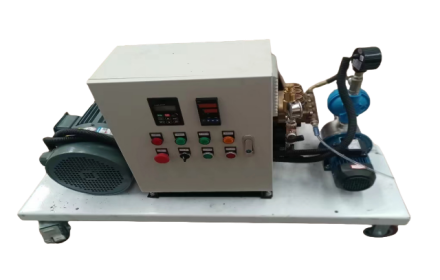
Entry-Level:
Rate Pressure: 200bar / 2900psi
Water Flow: 15L/min
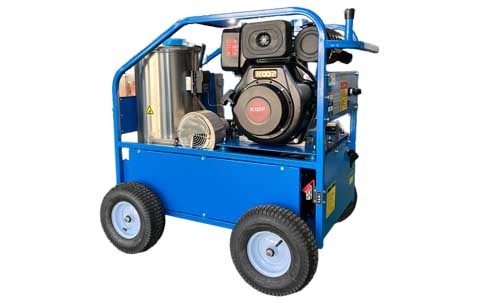
Mid-Range:
Rate Pressure: 500 bar / 7250 psi
Water Flow: 57 L/min
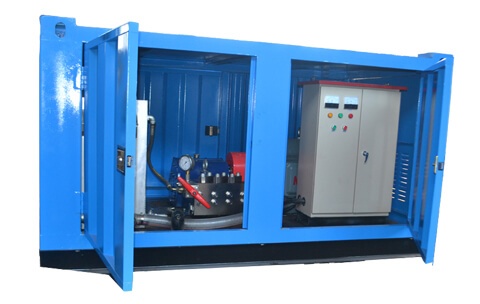
Industrial & Specialized:
Rate Pressure: 2000bar / 29000 psi
Water Flow: 25L/min
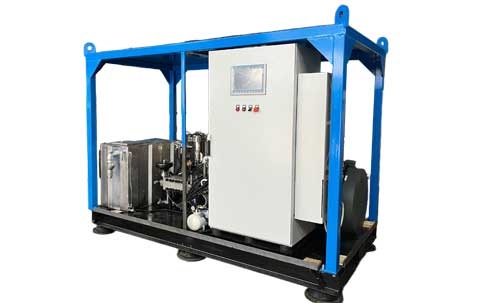
For specific values, please refer to the table below.
| Model | Price Range | Target Application | Best For | Expected ROI |
|---|---|---|---|---|
| Entry-Level | $1,800–$3,500 | Building facade, concrete floors, municipal streets | Building cleaning, startups | 6–12 months |
| Mid-Range | $3,800–$8,500 | Pipe cleaning, industrial descaling, drain cleaning, infrastructure cleaning | Contractors, active operations | 12–18 months |
| Industrial & Specialized | $9,000–$18,000+ | Extreme descaling, pipeline internal cleaning, marine ops, bespoke infrastructure | Infrastructure, 24/7 ops | 18–36 months |
| Ultra-High Pressure | $40,000–$60,000+ | Heavy rust removal, surface prep (Sa2.5/Sa3), ship hull cleaning, heat exchanger de-scaling, coating stripping | Shipyards, offshore platforms, large-scale infrastructure | 24–48 months |
Which tier matches your operation? Tell us your application, and we’ll recommend the right machine + price in 24 hours.
What Is Included at Every Price Tier of High Pressure Washing Machine?
Don’t just compare numbers. Compare what you actually get for the price:
Entry-Level: $1,800–$3,500
| What’s Included | Details |
|---|---|
| Equipment | Basic frame, standard pump, manual controls |
| Warranty | 12 months on parts, labor not included |
| Spare Parts | Core components in stock; lead time 5–10 business days |
| Technical Support | Email support during business hours |
| Training | PDF manual + basic video training |
| Service Visits | Paid, ~$150–$300 per visit |
| Customization | Limited; standard configurations only |
Real Operating Cost Estimate
- Equipment Cost: Estimated low amortization (annually)
- Fuel/Electricity: Estimated approximately $600–$1,000 per year
- Maintenance: Estimated approximately $300–$500 per year
- Repairs: Estimated approximately $200–$400 per year
- Total: Estimated approximately $3,500–$5,000 per year → approximately $1.75–$2.50/hour
Mid-Range: $3,800–$8,500 — Recommend
| What’s Included | Details |
|---|---|
| Equipment | Professional-grade frame, triplex pump, digital controls |
| Warranty | 24 months on frame; 36 months on pump assembly |
| Spare Parts | 95% inventory available; 2–3 day shipping to most regions |
| Technical Support | 48-hour email response; phone support during business hours |
| Training | On-site commissioning included; video + live operator training |
| Service Visits | 1st annual service included; additional visits $100–$200 |
| Customization | Pressure, flow, power source configuration available |
| Diagnostics | Basic performance monitoring + usage reports |
Real Operating Cost Estimate
- Equipment Cost: Estimated moderate amortization (annually)
- Fuel/Electricity: Estimated approximately $500–$800 per year
- Maintenance: Estimated approximately $200–$400 per year
- Repairs: Estimated approximately $100–$300 per year
- Total: Estimated approximately $5,500–$7,000 per year → approximately $2.75–$3.50/hour
Why mid-range is the sweet spot:
- Minimal downtime (proven reliability)
- Faster job completion (better efficiency)
- Predictable operating costs
- 12–18 month payback vs. entry-level through productivity gains
Industrial Grade: $9,000–$18,000+
| What’s Included | Details |
|---|---|
| Equipment | Heavy-duty everything: quintuplex pump, stainless internals, advanced cooling |
| Warranty | 36 months on frame; 48 months on pump; 24/7 emergency replacement guarantee |
| Spare Parts | 99% inventory; overnight shipping available worldwide |
| Technical Support | 24/7 phone + email; dedicated account manager for 3+ units |
| Training | Full operator certification program; on-site installation + commissioning |
| Service Visits | 2 annual preventative services included |
| Customization | Complete design flexibility; dual-engine options; automation integration |
| Advanced Features | Remote diagnostics, IoT connectivity, predictive maintenance |
Real Operating Cost Estimate
- Equipment Cost: Estimated high amortization (annually)
- Fuel/Electricity: Estimated approximately $400–$700 per year
- Maintenance: Estimated approximately $100–$300 per year
- Repairs: Estimated approximately $50–$200 per year
- Total: Estimated approximately $10,000–$12,000 per year → approximately $5.00–$6.00/hour
When industrial pays off:
- You operate 2,000+ hours/year (high-volume)
- Downtime costs exceed $1,000/day
- You need remote diagnostics or automation
- You serve regulated markets (EU, Middle East, North America)
Ultra-High Pressure Grade: $40,000 – $60,000+
| What’s Included | Details |
|---|---|
| Equipment | 1500–2000+ bar ultra-high pressure system, quintuplex/hexaplex pump, aerospace-grade materials, redundant cooling |
| Warranty | 5 years on frame and pump assembly; 24/7 emergency onsite replacement within 48 hours |
| Spare Parts | 100% global inventory; overnight shipping worldwide |
| Technical Support | 24/7 phone, email & video support; dedicated account manager; quarterly performance reviews |
| Training | Comprehensive operator certification; on-site installation & application training; annual refresher |
| Diagnostics & Monitoring | Real-time IoT monitoring, predictive maintenance, remote operation, anomaly alerts |
| Service & Maintenance | 4 annual preventative visits included; dedicated field engineer support |
| Customization | Complete design flexibility; multi-pressure configurations; automation integration; custom nozzles; special coatings |
| Advanced Features | Redundant engine options, energy recovery, water recycling, automated control, SIL 3 safety capability |
Real Operating Cost Estimate
- Equipment Cost: Estimated very high amortization (over 5 years)
- Fuel/Electricity: Estimated approximately $1,000–$1,500 per year (optimized efficiency)
- Professional Maintenance: Estimated approximately $700–$1,000 per year (predictive maintenance reduces failures)
- Diagnostics & Monitoring: Estimated approximately $300–$600 per year
- Operator Certification & Training: Estimated approximately $200–$400 per year
- Total Annual Cost: Estimated approximately $12,000–$15,000 per year → approximately $4.80–$6.00/hour
Why ultra high pressure delivers superior ROI despite highest upfront cost:
- Uptime guarantee: Exceptional availability protects continuous revenue streams
- Precision capability: Unique abilities enable premium service pricing
- Energy efficiency: Advanced systems reduce fuel and operating costs
- Predictive maintenance: Intelligent diagnostics prevent costly emergency failures
- Extended lifespan: Longer life delivers significantly lower hourly costs
- Warranty depth: Long-term coverage eliminates unexpected capital expenses
Tell us your application, budget tier, and location. We’ll recommend the perfect equipment with transparent pricing within 24 hours. No obligation.
What Factors Affect High Pressure Washing Machine Price?
When comparing quotes from different suppliers, you might notice a $2,000 to $10,000+ difference for machines with the same pressure rating (e.g., 500 bar). Why does the high pressure washer price vary so widely?
The final cost is never just about the pump and motor. It is determined by the manufacturing quality, the pump technology, the power source configuration, and the long-term reliability built into the system. A lower-priced unit may use an axial cam pump that wears out in 12 months — while a premium machine with a triplex plunger pump and industrial-grade components lasts 5–10 years with minimal downtime.
Knowing these factors will help you select the right equipment without overpaying for features you don’t need — or under-investing in reliability your operation requires. Price is not arbitrary. Here’s exactly where your money goes:
Pressure (Bar Rating)
When reviewing a high pressure water jet cleaning machine price, pressure rating is often the single biggest factor affecting overall cost.
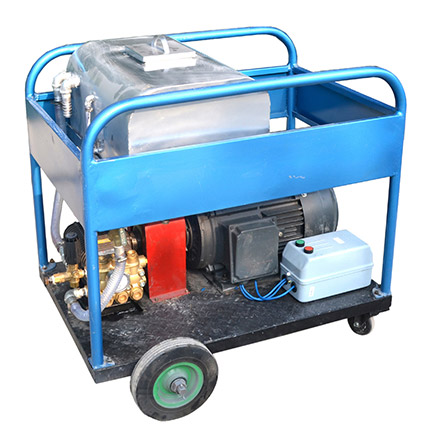
Recommended Equipment 1:
| Model | JMT-23/200 |
| Rate Pressure | 200bar/3000psi |
| Water Flow Rate | 23L/min |
| Plunger Diameter | 18mm |
| Speed | 1480rpm |
| Electric power | 7.5kw, 3Phase, 380v/50Hz |
| Watertank | Volume 150L |
| Y-type Filter | Water inlet filter |
| Movable chassis | With 4 small wheels |
Flow Capacity (L/min)
Flow rate determines how much water you move per minute. Higher flow = more area covered per hour = faster project completion. This requires larger tanks, more robust plumbing, and reinforced frames. Cost impact: 20–30% of machine price
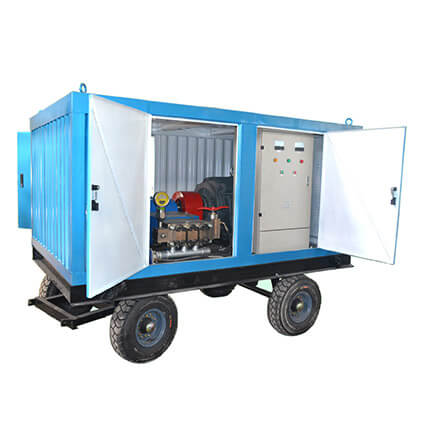
Recommended Equipment 2:
| Model | JMT-135/210 |
| Rate Pressure | 210bar/3000psi |
| Water Flow Rate | 135 L/min |
| Plunger Diameter | 40mm |
| Speed | 405rpm |
| Electric power | 55kw, 3Phase, 380v/50Hz |
| Oil tank | Volume 200L |
| Y-type Filter | Water inlet filter |
| Movable chassis | With 4 small wheels |
Power Source & Efficiency
- Electric models are economical for stationary, grid-powered facilities (lower operating cost).
- Petrol engines offer portability but higher fuel consumption and noise.
- Diesel engines provide superior efficiency, torque, and durability for continuous operations.
- Hybrid/dual-power systems command a premium but reduce operational constraints.
Cost impact: 15–25% of machine price

Recommended Equipment 3:
| Model | JMT-1-23/350 |
| Rate Pressure | 350 bar / 5075 psi |
| Water Flow Rate | 23 L/min |
| Plunger Diameter | 18mm |
| Speed | 1480 rpm |
| Electric power | 30kw |
| High pressure hose | 30 meters |
| Water spray gun | 1 set |
| Sandblaster nozzle | 1pc |
Build Quality & Materials
Components such as pumps, valves, and high pressure washer brass cylinder prices can significantly influence the final machine value. Entry-level machines use standard steel and aluminum. Premium industrial equipment features:
- Stainless-steel components (corrosion resistance, longer lifespan)
- Sealed pump assemblies (protection against debris, longer service intervals)
- Enhanced cooling systems (sustained performance under heavy loads)
- Certified safety systems (compliance, liability protection)
Cost impact: 20–35% of machine price

Recommended Equipment 4:
| Model | JMT-85/1500 |
| Rate Pressure | 1500 bar / 40000 psi |
| Water Flow Rate | 85 L/min |
| Plunger Diameter | 30mm |
| Speed | 1480 rpm |
| Diesel engine | 285kw |
| Water tank | Volume 400L |
| Y-type Filter | Water inlet filter |
| Movable chassis | With 4 small wheels |
Pump Type & Durability
Professional-grade triplex or quintuplex pumps cost more but last 2–3 times longer than basic pumps. They’re the heart of the machine. Better pumps = more reliable operation = fewer breakdowns = lower total cost of ownership.
Cost impact: 15–20% of machine price
Additional Features
Optional upgrades may increase the overall water jet cleaning machine price, but they often reduce operating costs over time.
- Integrated recovery systems (environmental compliance, adds substantial cost)
- Remote diagnostics & IoT connectivity (adds moderate cost upgrade)
- Customizable nozzle systems (adds minimal cost option)
Stop overpaying for features you don’t need.
Get a custom configuration that hits your exact pressure, flow, and power requirements—saving you 10-15% on the upfront cost.
Why Choose Us as Your Industrial High Pressure Washer Supplier?
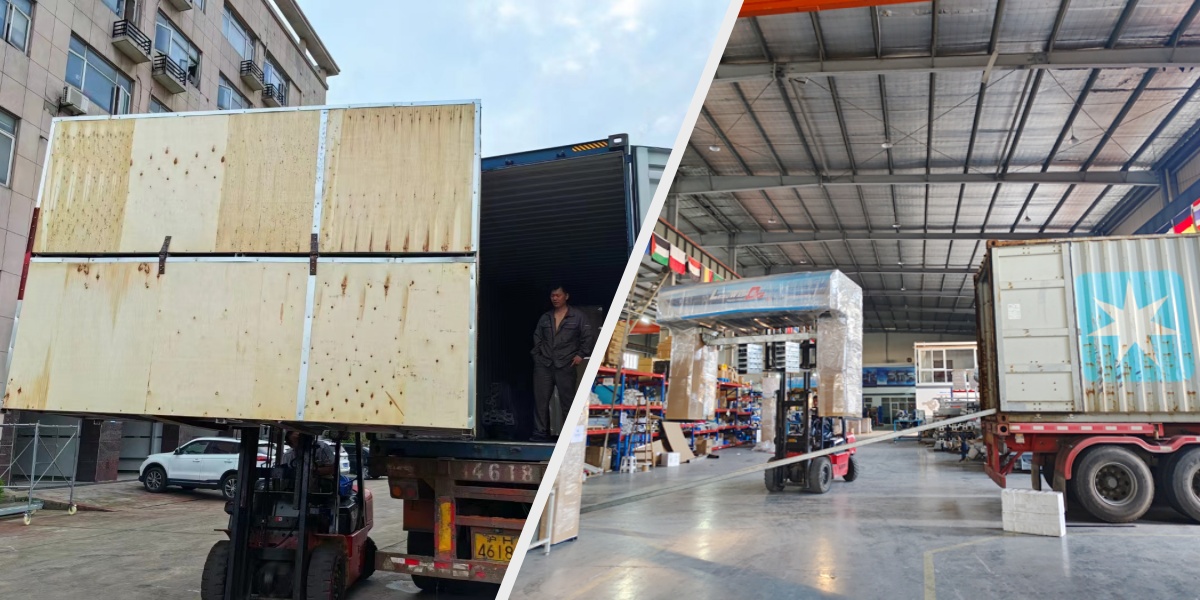
In an industry flooded with middle-men, we stand out as a high pressure washer manufacturer China that owns the entire process—from the initial CAD drawing to the final sea-freight container. The JMT-1 series hot water high-pressure washers for sale are available through multiple convenient channels to meet diverse customer needs. Buyers can choose factory direct sales without any difficulty.
Why Factory-Direct Matters?
Unlike a standard washer machines high pressure factory, we are high pressure washer factories have achieved full vertical integration by manufacturing our own core components.This dual capability as both a high-volume High pressure washer machine factories hub and a precision-driven high pressure washer machine manufacturer allows us to guarantee superior quality while significantly reducing procurement costs for our global partners. We manufacture and export industrial high-pressure washing machines directly to buyers across 40+ countries. What does that mean for you?
Predictable Pricing
- No middlemen markup. You get manufacturer pricing, not distributor inflation.
- Transparent cost structure. You know exactly what you’re paying for.
- Volume flexibility. Whether you’re buying one machine or ten, we scale to serve you.
Faster Service
- 48–72 hour response time on technical questions.
- Spare parts shipped within 5 business days to most regions.
- Warranty claims processed directly, without distributor delays.
Product Knowledge
- You speak with the engineering team, not a sales intermediary.
- Custom specifications are handled by people who understand your application.
- Long-term support is built into the relationship, not contracted out.

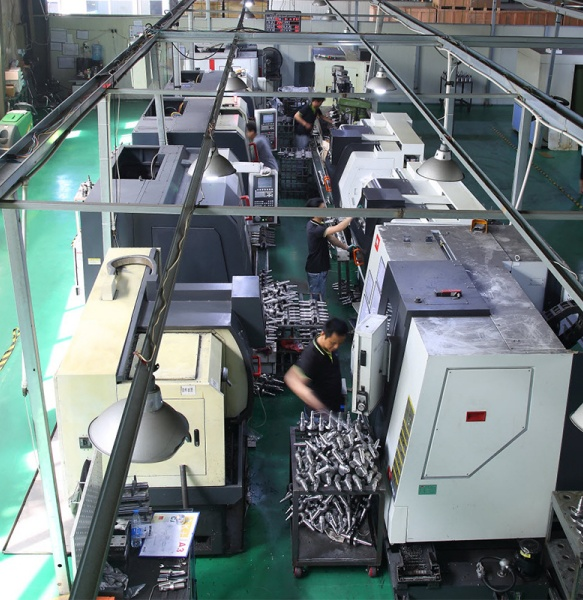
Supplier Reliability and Stability
Brand Guarantee
Our status as a motor high-pressure washer factory ensures that every unit—from a 1400W high-pressure washer manufacturer specification to a high-power pressure washer manufacturer-grade motor—is built to industrial standards.
Heavy-Duty industrial systems
Our high-pressure washer factories feature multiple specialized assembly lines, enabling us to fulfill both large-scale orders and high-end customization requirements simultaneously.
Global logistics & export documentation
We provide lots of logistics service and careful export documentation:
Bills of Lading (B/L)
Commercial Invoices & Packing Lists
Certificates of Origin (CO)
Compliance Certificates (CE/EPA/UL)
Our Independent R&D Team
Strict testing protocols
Before a single unit leaves our high-pressure washer facility, We manufacture high-pressure washing equipment built to vehicle-manufacturer-grade standards, featuring high-pressure hoses with a burst pressure rating of 2.5 to 3.5 times the rated working pressure.
Customization OEM
As a flexible supplier of high-pressure washers, we offer extensive customization services. From technical design to final assembly, we ensure that every unit produced by our manufacturing facility precisely meets your specific requirements.
Pre-shipment inspection & testing
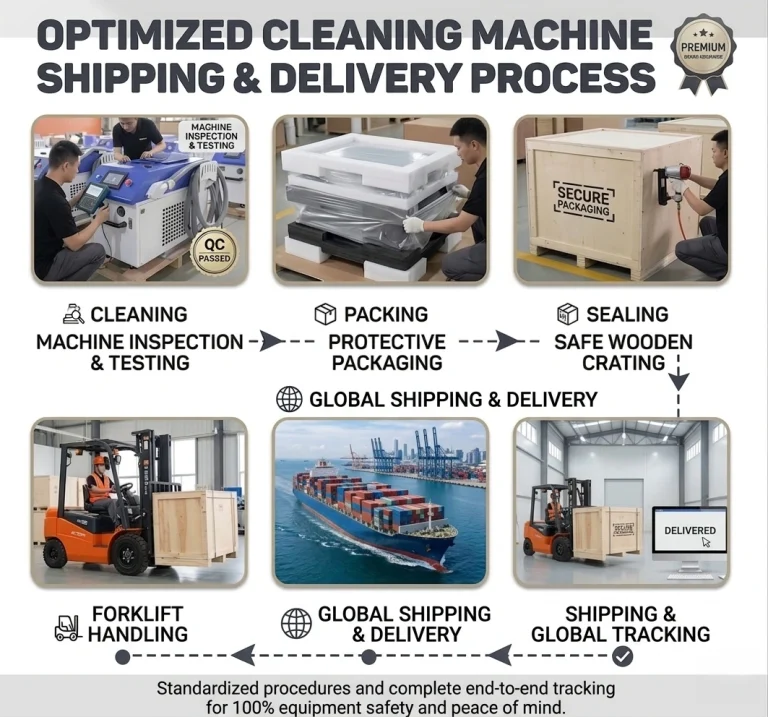
Before any high pressure cleaning machine leaves our facility, it undergoes a 100% QC check. We test the pump’s pressure stability, engine thermal limits, and safety valve triggers. A “QC Passed” certificate and a detailed testing video are provided to the client for peace of mind.
Our Certifications


After-Sales Service
Warranty & Support:
- 12-month comprehensive warranty (24-month on pump assembly for industrial-tier machines)
- Free on-site commissioning for orders 3+ units
- Annual maintenance support included in premium packages
Customization & Adaptation:
- We design custom configurations (pressure, flow, power source)
- Custom builds are typically ready in 4–6 weeks
- Pricing is transparent: base machine cost + customization fee
Training & Certification:
- Video training documentation included with every machine
- On-site operator training available
- Safety certification support for regulated industries
Not a One-Size-Fits-All Game — Custom Pricing
We don’t give fixed prices. We give fair prices for your specific situation.
How We Price Your Machine?
Your Situation
- What are you cleaning? (pipes, floors, surfaces, etc.)
- How often? (hours/week)
- What industry? (food, oil, municipal, etc.)
- What pressure? (200 bar for basic; 500+ for heavy)
The Calculation
- Base machine cost for your specs
- Customization (if needed)
- Your regional shipping (FOB/CIF/DDP)
- Volume discount (if you’re buying 2+ units)
- Promotional pricing (seasonal opportunities)
Your Price
- Transparent breakdown showing each component
- Valid for probably 30 days
- Includes warranty and support terms
- No surprises
How Price Changes Based on Your Needs?
Scenario A: Small contractor, building cleaning, occasional use
- Base machine: 250 bar, 20 L/min, electric
- Annual use: Estimated approximately 300–500 hours (seasonal/intermittent)
- Recommendation: Entry-level standard configuration
- Estimated price: Entry-level price range FOB
Scenario B: Active drain cleaning contractor, Southeast Asia, 2,000 hours/year
- Base machine: 700 bar, 35 L/min, diesel
- Customization: Salt-resistant coating (maritime/coastal regions)
- Regional shipping: CIF to Bangkok (estimated regional pricing applies)
- Volume: 1 unit (with potential expansion consideration)
- Estimated price: Mid-range professional tier pricing CIF
- Bonus: Volume discounts available for multi-unit commitments
Scenario C: Municipal authority, diverse applications, 24/7 deployment, EU location
- Base machine: 1000 bar, 45 L/min, heavy-duty diesel
- Customization: Remote diagnostics, dual-engine redundancy, IoT integration
- Certification: CE Mark, full compliance documentation
- Regional: DDP to Rotterdam (estimated European pricing applies)
- Volume: 3 units (fleet deployment)
- Estimated price: Industrial-grade premium pricing per unit (volume discounts applicable)
- Included: Full operator training, on-site commissioning, comprehensive warranty
The point: Your actual price depends on your actual situation. That’s why we don’t advertise fixed numbers—we engineer solutions.
Our Hot Selling High Pressure Machine
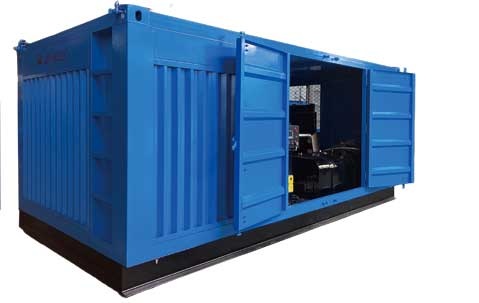
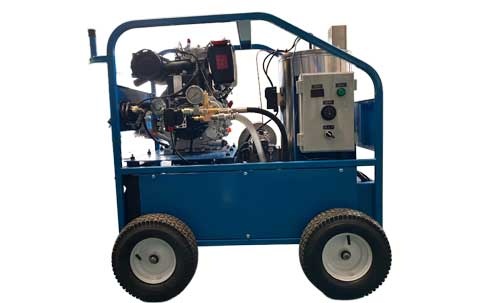
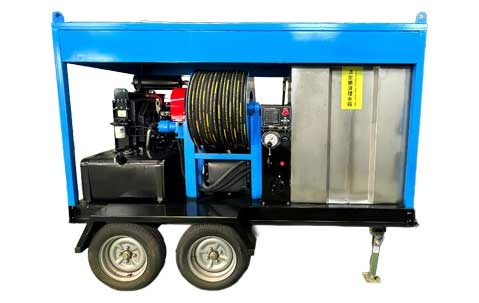
The High-Pressure Hot Water Cleaner is a heavy-duty powerhouse designed for the toughest environments. By delivering scalding hot water (up to 80-95°C / 176-203°F) combined with precision high-pressure jets (100-500 bar), these machines blast away stubborn grease, crude oil, and carbon deposits that cold water can’t touch.
Here are some hot selling commercial high pressure cleaner and you can always contact us for a customized machines.
Understanding International Trade & Shipping

As well, the final price you pay depends on trade terms and logistics.
Standard Pricing Models for Exports
FOB (Free on Board) — Factory Gate Price
- What it means: You pay machine price; we deliver to port; you arrange international shipping, customs, and insurance.
- Typical FOB price example: Mid-range unit = Estimated factory pricing FOB Shanghai Port
- Most overseas customers request a complete high pressure washer machine pricelist before calculating landed costs.
Add these costs:
- International shipping: Varies by destination and equipment size
- Customs duties & tariffs: Estimated percentage varies by country and trade agreements
- Insurance: Estimated percentage of total value
- Local delivery from port: Varies by region and distance
- Estimated total landed cost: Varies significantly by destination region
CIF (Cost, Insurance & Freight) — We Handle Logistics
- What it means: We arrange shipping, insurance, and delivery to your nearest port. You handle local customs clearance and inland delivery.
- Typical CIF price example: Mid-range unit pricing estimated CIF (varies by region)
- Advantages: Simpler process, predictable costs, reduced logistics stress, insurance included.
- For distributors and wholesalers, obtaining an updated industrial high pressure washer pricelist is often the first step in budgeting.
DDP (Delivery Duty Paid) — Full Service
- What it means: We deliver machine to your facility, all duties and taxes pre-paid.
- Typical DDP price example: Mid-range unit pricing estimated DDP (varies by destination)
- Advantages: Maximum convenience, transparent pricing, no surprise fees.
Shipping & Timeline Reality Check
| Shipping Method | Cost | Transit Time | Best For |
|---|---|---|---|
| FCL (Full Container) | about $800–$1,500 | 15–30 days | Orders of 2+ units |
| LCL (Less Than Container) | about $1,200–$2,500 | 25–45 days | Single units, cost-conscious |
| Air Freight | about $3,000–$6,000 | 3–7 days | Emergency replacement, near regions |
| Regional (within Asia) | about $300–$800 | 5–15 days | Southeast Asia, Middle East |
Pro tip: Most buyers save 20–30% by coordinating shipments with other industrial equipment purchases, consolidating into a FCL.
Tired of hidden shipping fees and surprise duties? We quote FOB and CIF upfront so you know exactly what you’re paying before the PO.
Hidden Costs Beyond Purchase Price

When comparing high pressure washing machine prices, you may focus only on the initial purchase cost. However, the machine’s selling price is only part of the total investment. In industrial and commercial applications, several hidden costs can significantly impact the overall cost of ownership over the equipment’s lifetime.
A pressure washer that appears inexpensive at first may ultimately cost more due to installation requirements, fuel consumption, maintenance expenses, spare parts replacement, and operator training. Understanding these hidden costs helps buyers make smarter purchasing decisions and avoid unexpected expenses after installation.
Purchase price is only part of the story. So you should evaluate total cost of ownership (TCO) over the equipment’s lifetime. Especially the hidden costs:
Downtime & Lost Revenue
- Mid-sized contractors face significant daily revenue loss when equipment fails. Reliability is necessity, not luxury.
- Premium machines substantially reduce unplanned downtime compared to budget alternatives.
Operator Training & Safety
- Industrial equipment requires certified operators in many jurisdictions.
- Training costs vary by region and program scope (budgeted once, then amortized over time).
Compliance & Certification
- Some industries (municipal, environmental) require certified equipment.
- Certification and inspection costs vary annually by jurisdiction and equipment type.
Water Consumption
- High-flow systems consume significant water volume during operation.
- In water-scarce regions, daily water consumption adds measurable operating costs.
- Consider water recycling systems for long-term cost savings in water-intensive operations.
Logistics & Installation
- Shipping to remote sites varies significantly by destination and equipment size.
- On-site installation and commissioning costs depend on location complexity and site conditions.
Does your current quote include maintenance, fuel, and downtime risk? Most quotes don’t. Let’s calculate your true operating cost.
Understanding the true power washing equipment cost helps your businesses avoid unexpected expenses and maximize ROI.
How to Actually Maximize Your Smart Budget?
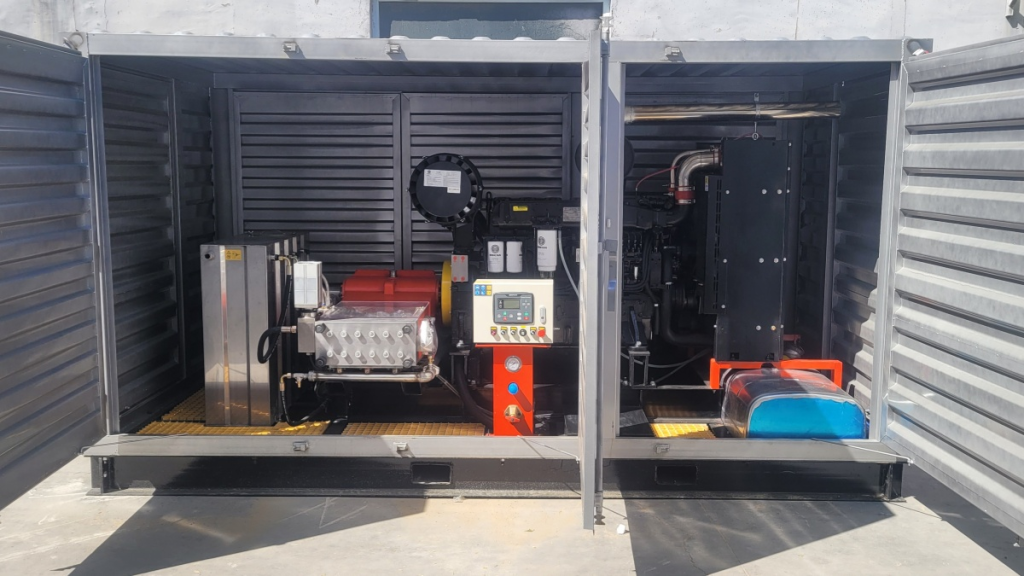
Price is negotiable. Here are some professional advice for you:
Volume Discounts
Larger orders usually qualify for customized high pressure washer machine quotes and better factory pricing. Factories offer sliding discounts on multiple units:
- 1 unit: List price (baseline)
- 2–3 units: 5–8% discount
- 4–6 units: 10–15% discount
- 7+ units: 15–20% discount + customization flexibility
If you’re operating a fleet or partnering with other contractors, consolidation is your biggest leverage.
Seasonal Pricing Windows
You request pressure washer machine quotes during low-demand seasons often secure additional discounts. Factories adjust pricing quarterly:
- Q4 (Oct–Nov): Year-end quota push = best discounts (5–12%)
- Q1 (Jan–Feb): Post-holiday catch-up, moderate discounts (3–7%)
- Q2/Q3: Peak demand, minimal discounts (0–3%)
Timing your purchase strategically can result in meaningful savings per unit.
Long-Term Partnership Pricing
Long-term customers typically receive preferred industrial high pressure washer quotes and priority production scheduling. Instead of one-off purchases, propose a standing arrangement:
- Annual supply agreements (2–3 units/year) = consistent 8–12% discount
- Exclusive distributor arrangements = 15–20% discount + local support
- Service contracts + spare parts bundling = 10–15% on equipment + margins on consumables
Specification Customization
Customized configurations allow you to receive accurate high pressure power washer machine quotes based on your exact application requirements. Rather than buying premium features you won’t use, customize a machine to your exact specs:
- Don’t need diesel? Specify petrol engine instead for notable cost reduction.
- Flow rate too high for your job? Specify lower pump capacity for estimated savings.
- Don’t require remote diagnostics? Exclude IoT module to lower overall investment.
Customization often reduces price by 10–20% while improving fit-for-purpose value.
Trade-In & Upgrade Programs
If you currently operate older equipment:
- Factories often offer trade-in credits: 15–25% of new machine value
- Example: Trading in a 2010-era 300-bar unit might fetch approximately $400–$700 credit toward a new purchase
- Net cost of upgrade: Much lower than greenfield purchase
These proven negotiation tactics help you squeeze value from every purchase. Apply you to next RFQ.
Industry Trends & Price Outlook: Act Now or Wait?
As technology evolves, both the high pressure cleaning machine price and the high pressure jet cleaning machine price continue to reflect improvements in efficiency, automation, and sustainability.
Current Market Dynamics
Supply & Demand (2025–2026):
- Post-pandemic equipment availability is normalized. Prices have stabilized after 2023–2024 inflation.
- Asian manufacturing (especially China) has increased capacity, creating competitive pricing globally.
- Bottom line: Prices are stable-to-declining. No urgent need to buy immediately.
Technology & Efficiency (Emerging Trends):
- IoT & remote diagnostics are becoming standard features (not premium add-ons) in 2026+. Current models without this may feel dated in 3 years.
- Water recycling & sustainability systems are moving from niche to mainstream, especially in Europe, Middle East, and Australia. Machines with integrated or compatible systems command 5–10% premium but appeal to regulated markets.
- Dual-fuel (petrol + electric, or diesel + electric hybrid) systems are advancing. By 2027, expect these to be 10–15% more affordable, broadening their appeal beyond premium tiers.
Pricing Forecast:
| Factor | Impact | Timeline |
|---|---|---|
| Manufacturing scale increases | Prices decline 2–4%/year | 2026–2028 |
| Smart features become standard | No premium by 2027 | Phased in now |
| Supply chain normalization | No more disruption premiums | Ongoing |
| Environmental regulations | Compliance cost: +3–5% in regulated markets | 2025–2027 |
The Real Question: Should You Wait?
Buy now if:
- Your current equipment is failing or nearing end-of-life.
- You need new capacity to secure contracts within 6 months.
- Your industry faces regulatory changes requiring updated equipment (deadline-driven).
Wait if:
- Your current equipment is reliable and you have a 2+ year timeline.
- You’re exploring emerging technologies (smart features, dual-fuel) and can absorb slight price changes.
- Budget approval is pending and you’re monitoring trends.
Prices are stabilizing now. Understanding current market conditions helps you time your purchase strategically.
Why Buying Cheaper High Pressure Washing Machines Often Cost More — Real Examples

Case Study 1: The $2,100 Deal
What happened: A contractor in Indonesia bought a cheap 400-bar clone machine for $2,100 (vs. our $4,200 mid-range). Looked like a win.
What went wrong:
- Month 3: Pump seal failed. Replacement: $300 + 5 days downtime = $3,500 lost revenue.
- Month 8: Electrical shorts due to moisture ingress. Replacement: $600 + 10 days downtime = $7,500 lost.
- Month 14: Catastrophic pump failure. Machine unrepairable.
Total cost: $2,100 + $4,400 repairs + $11,000 lost revenue = $17,500.
What should have happened: Buy $4,200 mid-range machine → 3 years operation → $0 unplanned downtime = $4,200 total cost + 3 years of revenue generation.
The “cheap” option cost 4× more in total cost of ownership.
Case Study 2: Customization Saves $15,000
What happened: A food-processing facility in Malaysia bought a standard 500-bar unit for $4,500. Seemed fine on paper.
What went wrong:
- Monthly maintenance: 8 hours of plant shutdown to clean/maintain (costly in food production)
- Food safety issues: Generic seals weren’t food-safe; required additional compliance measures
- Downtime: 3× more frequent failures due to poor seal quality in humid environment
Annual cost of problems: ~$8,000 (maintenance labor + compliance overhead + downtime)
What should have happened: Invest in customized unit (+$1,200): food-safe seals, hygiene-grade materials, integrated water filtration.
Result: 95% reduction in maintenance, zero food-safety issues, zero unplanned downtime.
Payback: The $1,200 customization premium paid for itself in 2 months, saving $15,000+ over 3 years.
The lesson is clear: Purchase price tells only part of the story. Machines that seem affordable upfront often become expensive when you factor in downtime, repairs, maintenance, and lost revenue. You should focus on total cost of ownership, not just the sticker price.
Let us analyze your actual use case and show you the real financial impact of budget vs. premium equipment.
Request a personalized TCO analysis to make a data-driven decision.
Our Industrial High Pressure Washing Machine Applications & Real Cases Worldwide
Applications
Power pressure washers are essential tools for industrial environments where grease, oil, and stubborn dirt accumulate on machinery and equipment. Our power pressure washers provide fast, efficient, and safe cleaning solutions that improve operational efficiency and protect sensitive surfaces.
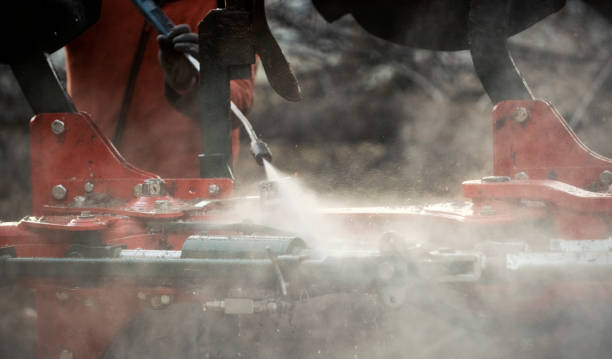
Factory Equipment Cleaning

Construction Industry
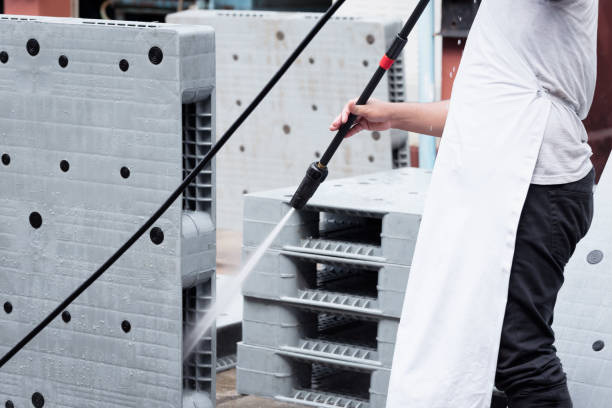
Pharmaceutical Industry
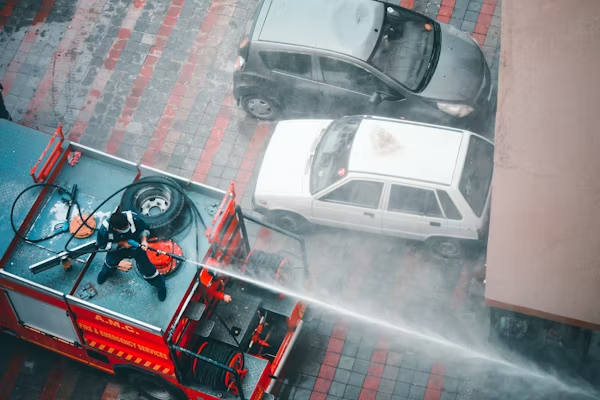
Public Industry
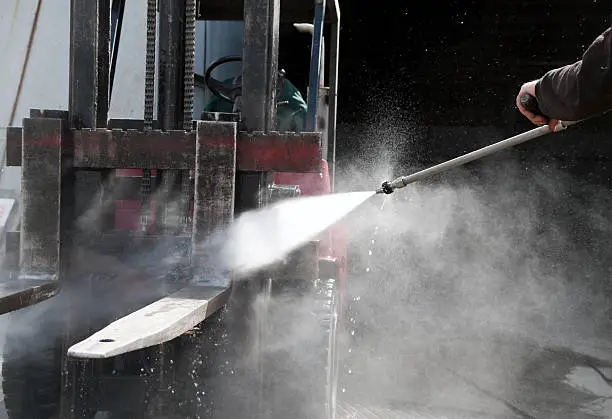
Heavy Machinery Maintenance

Food Processing Industry
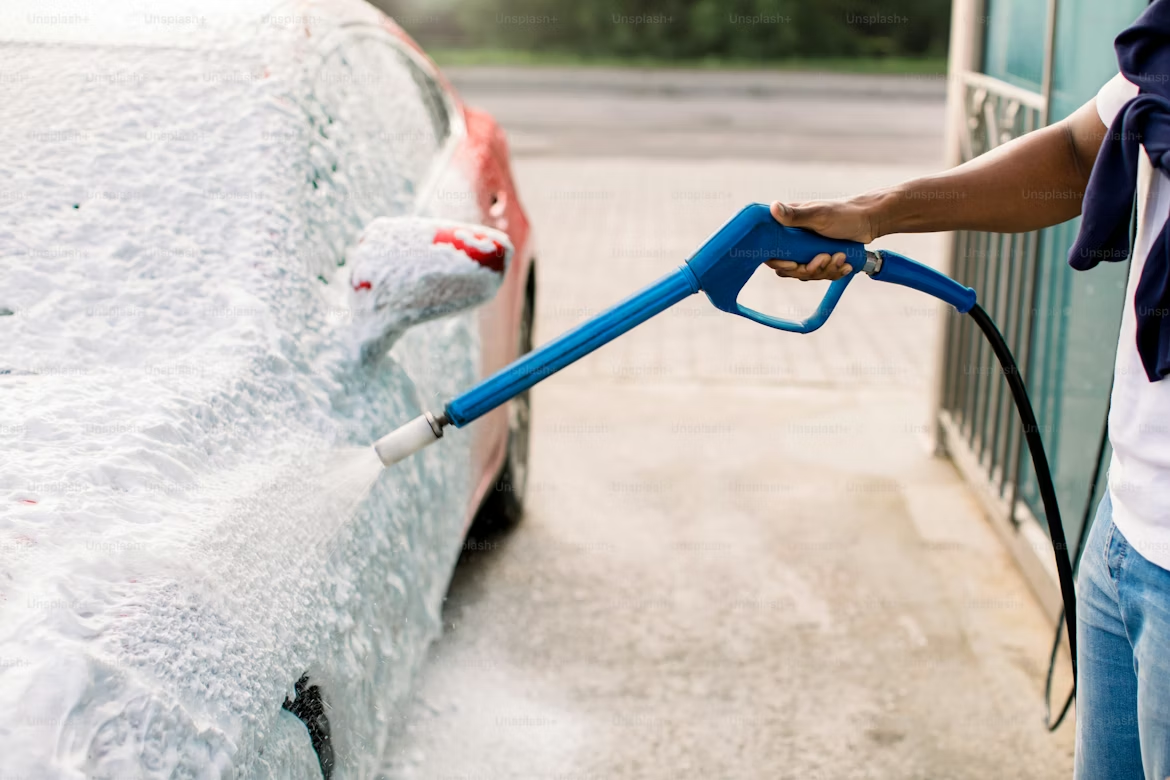
Industrial Vehicle Fleet Cleaning
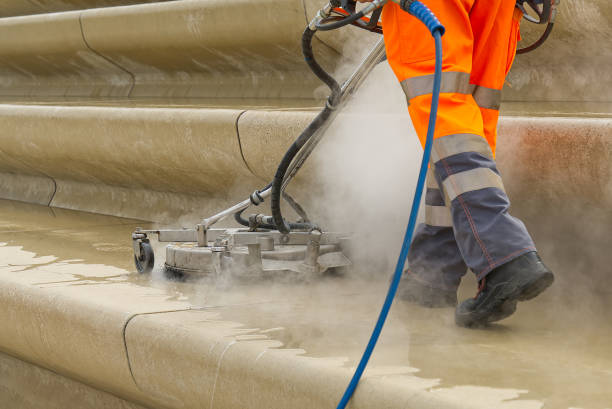
Marine Equipment Cleaning
Factory Equipment Cleaning: Industrial factories use pressure washers to clean assembly lines, conveyor belts, and manufacturing machines. The hot high-pressure water quickly removes grease, oil, and dust, reducing downtime and improving overall production efficiency.
Food Processing Industry: Food processing plants rely on power pressure washers to sanitize processing equipment, cutting tables, and storage tanks. The high temperature not only cleans effectively but also reduces bacteria and ensures compliance with hygiene standards.
Heavy Machinery Maintenance: Construction and mining companies utilize hot water high-pressure washers to clean trucks, dumpers, excavators, and bulldozers. Efficient dirt and mud removal prolongs machinery life and facilitates early detection of wear or damage.
Marine Equipment Cleaning: Shipyards and port facilities deploy power pressure washers for decks, hulls, and heavy marine equipment. Hot high-pressure water dissolves grease and grime while preventing corrosion, saving labor and maintenance costs.
Global Real Cases
Our industrial power pressure washers are trusted by clients worldwide for heavy-duty cleaning, fleet maintenance, and factory sanitation.
Case Study 1
Municipal Drainage Network Maintenance – Europe & Germany
A German municipal contractor operating 15 engineering vehicles for drainage maintenance faced a critical bottleneck: existing 120 bar equipment couldn’t handle main pipeline jetting, forcing expensive outsourcing while failing EU Stage V emission standards. We deployed our 250 bar / 120 LPM diesel truck-mounted system directly onto their fleet vehicles, meeting all compliance requirements without additional infrastructure. Result: 40% reduction in annual outsourcing costs, first-submission environmental approval, and repeat orders of 3 then 5 units — proving our ability to deliver compliant, high-performance solutions for European municipal infrastructure operations.
Case Study 2
Food Production Line Sanitization – Asia & Japan
A Japanese food processing operation struggled with HACCP compliance: their hot water system delivered only 55–65°C (below HACCP thresholds) and required 4-hour daily sanitization cycles that compressed production time. We deployed our 155°C electric steam pressure machine with food-grade detergent injection — no facility modification needed. Result: bacterial compliance improved from 92% to 99.7%, HACCP audit passed, cleaning time cut to 2.5 hours (recovering 1.5 hours per shift), and the solution was rolled out to two additional group facilities — proving our capacity to deliver precision sanitation solutions meeting the strictest food safety standards across Asian markets.
Case Study 3
Remote Industrial Processing Equipment Cleaning – Southeast Asia & Indonesia,
An Indonesian palm oil facility faced three interconnected challenges: rapidly hardening oil deposits in tropical conditions, unstable power supply that had damaged two electric machines, and no local repair capability in the remote location. Our 180 bar / 60 LPM diesel hot water trailer-mounted machine — equipped with overload protection, automatic pressure relief, and pre-shipped wear parts kit — solved all three simultaneously. After 18 months of continuous high-heat, high-humidity operation with zero major failures, the facility achieved 65% improvement in grease removal efficiency and 45% reduction in chemical consumption. Two neighboring facilities independently ordered based on direct referral — demonstrating our capacity to deliver reliable, self-sufficient solutions for remote industrial operations across Southeast Asian markets where equipment durability and local support are critical.
Whether you are searching for an Industrial power pressure washer India or a specialized unit in the Americas, our export infrastructure is built to support you.
What to Ask Before You Buy an High Pressure Washer Machine?
How long does a pump typically last under your operating conditions?
Should be 2,000+ hours for mid-range, 3,500+ for premium.
What’s included in warranty, and what’s not?
Get it in writing.
How quickly can you get spare parts if something fails?
Should be <5 business days for major markets.
Are there any seasonal adjustments to my pricing if I order within 30 days?
Always ask.
Will you offer a trial or on-site demonstration?
Reputable makers often will.
Negotiation Red Flags to Avoid
- Suspiciously low pricing: Prices 30%+ below market often indicate refurbished equipment, counterfeit components, or missing warranties.
- No warranty documentation: Professional manufacturers always provide 12–24 month warranties. Anything less is risky.
- Vague specifications: If the seller can’t clearly explain bar rating, flow capacity, or materials, walk away.
- No post-sale support commitment: Confirm spare parts availability, service capacity, and response times before signing.
. QUESTIONS
Common Questions
What is the minimum order quantity (MOQ) for wholesale orders?
We offer flexible MOQs to support businesses of all sizes. For standard models, we can start with as few as 1-5 units to help you test the quality. For custom OEM orders (branding and custom colors), we provide highly competitive volume pricing.
Why does one factory’s 500-bar machine cost $4,200 and another’s $5,800?
Build quality, pump durability, warranty terms, and post-sale support vary significantly. The cheaper option might require overhaul by year 3; the premium option might last 8 years. TCO math matters more than purchase price.
What if I buy through a distributor instead of factory-direct?
You’ll pay 15–25% more for the same machine. Advantage: local support, faster spare parts. Disadvantage: higher cost, potential communication gaps. Good for convenience if you value local presence; smart buyers use factories for large orders and distributors for emergency parts.
What are your payment terms?
T/T, L/C, Trade Assurance(By Alibaba), Western Union.
How do I know if a quoted price is fair?
Compare 3–5 suppliers on the same specifications. Request a breakdown of FOB vs. CIF vs. DDP pricing. Ask about volume discounts. Fair pricing is 10–15% variation around the median quote; anything outside that range warrants investigation.
Do you supply spare parts, accessories, and protective gear?
Yes, absolutely. We are not just an assembly factory; we are a comprehensive high-pressure washer pump factory and accessories manufacturer.
Still have questions? Contact our engineers now.
Our Hot Selling High Pressure Machine
High-pressure cleaning machine
200 – 1500 Bar
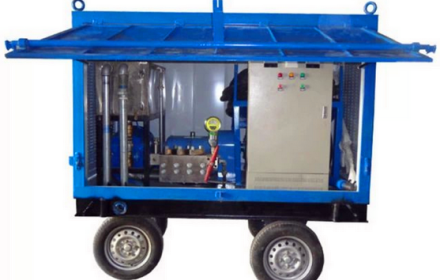
High-pressure concrete roughening equipment
500 – 1500 Bar
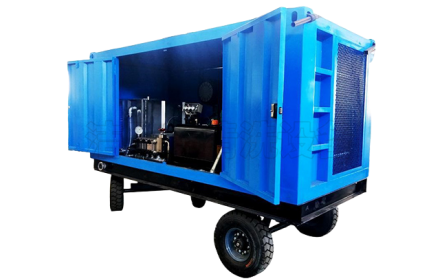
High-pressure plunger water pump
200 – 1500 Bar
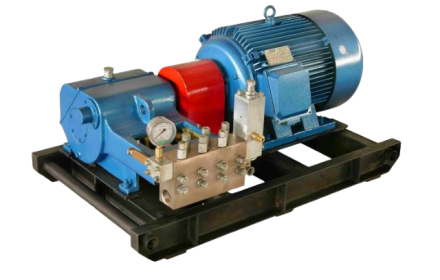
High-pressure sewer drain machine
200 – 500 Bar
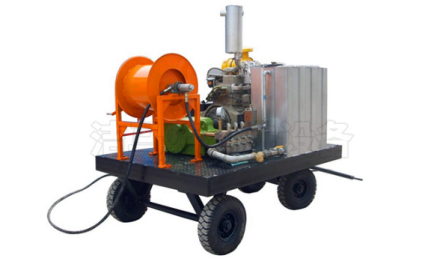
High-pressure hot water cleaning machine
200 – 300 Bar
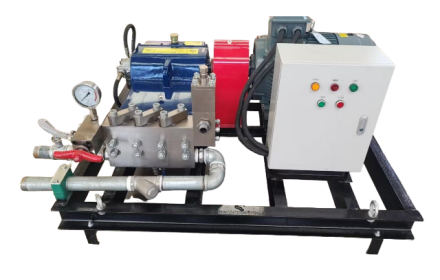
High-pressure grouting pump
500bar
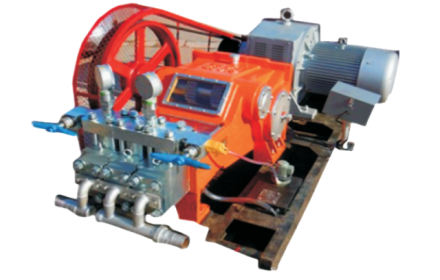
Water jet cutting machine
350 – 3000 Bar
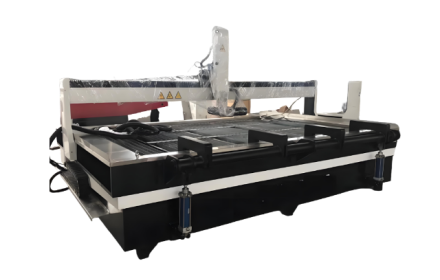
High-pressure test pump
50 – 750 Bar