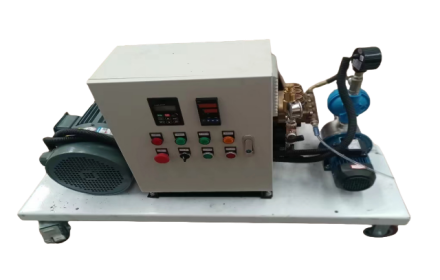
Industrial High Pressure Washing Machine for Different Applications
A practical application guide for factories, construction sites, chemical and marine industry worldwide.
Application—First Configuration≠Not Just Specifications
Factory—Direct Supply with Real Industrial Duty Engineering
Complete Selection Tool—From Nozzles to Price Ranges
High Pressure Washing Machine for Industrial Use
In industrial operations, cleaning determines performance. Contaminated machinery fails early, non-compliant food facilities face shutdown, and blocked municipal drainage creates flooding risk. Manual methods and low-pressure water cannot meet these demands — industrial high pressure washing machines exist because the cost of inadequate cleaning is operational, financial, and regulatory.
As a factory-direct industrial high pressure washing machine manufacturer supplying clients across 40+ countries, we build to one standard: the standard industrial operations actually require. Every machine is built around a triplex plunger pump, CE and ISO 9001 certified, and shipped directly from our facility — no distributor markup, no intermediary.
Already know your sector or application? Jump directly to your industry section — or Talk to an Engineer for a direct configuration recommendation.
Industrial High Pressure Washing Machine for Sale
Knowing you need an industrial-grade high pressure cleaning machine for sale is the right starting point — but industrial-grade is not a single product. It’s a category spanning dozens of configurations, each engineered for specific site conditions, contamination types, and operational demands.
Choosing the wrong configuration means a machine that creates more problems than it solves. This section defines the three variables that determine the right fit for your operation: power source, water temperature, and deployment setup.
By Power Source — Gas, Diesel, or Electric?
The power source determines where your power washer machine industrial can operate, how long it can run, and what pressure ceiling it can realistically achieve. Getting this wrong means either an underpowered machine that can’t handle your workload, or an oversized unit that creates logistical problems on your site.
Electric-Powered High Pressure Washing Machines
Electric models are the most practical choice for operations with a stable, accessible power supply. They run quietly, produce zero exhaust emissions, and require less routine maintenance than combustion-engine alternatives — making them the default choice for indoor environments where air quality and noise levels are regulated. For factories, food processing facilities, and car wash stations with fixed cleaning stations, electric machines offer consistent performance with the lowest operating complexity.
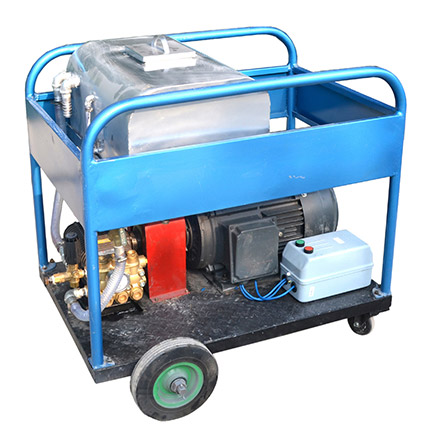
Recommended Equipment 1:
High pressure output and removal of heavy dirt and oil in Industrial cleaning.
| Model | JMT-23/200 |
| Rate Pressure | 200bar/3000psi |
| Water Flow Rate | 23L/min |
| Plunger Diameter | 18mm |
| Speed | 1480rpm |
| Electric power | 7.5kw, 3Phase, 380v/50Hz |
| Watertank | Volume 150L |
| Y-type Filter | Water inlet filter |
| Movable chassis | With 4 small wheels |
Gasoline-Powered High Pressure Washing Machines
Gasoline models offer a practical middle ground between portability and power. They’re easier to transport than diesel units, start reliably in most conditions, and deliver sufficient pressure for a wide range of mid-scale outdoor applications. However, their continuous run time is limited by tank capacity, and noise levels make them unsuitable for noise-sensitive environments. They’re the preferred choice for contractors and maintenance teams who need a machine they can load into a truck and deploy quickly across multiple locations.

Recommended Equipment 2:
High pressure output and water flow rate for heavy-duty industrial cleaning.
| Model | JMT-1 |
| Outlet Pressure | 180bar/2600psi |
| Water Flow Rate | 55L/min |
| Plunger Diameter | 28mm |
| Number of Plungers | 3 |
| Input Speed | 3600r/min |
| Pump Speed | 1450r/min |
| Lubrication Method | Splash Lubrication |
| Water Inlet Size | 1.5-inch |
Diesel-Powered High Pressure Washing Machines
Diesel is the standard for serious industrial work. These machines are built for sustained, high-output operation in environments where there is no reliable electrical supply — construction sites, remote infrastructure projects, oil and gas facilities, and large-scale municipal operations. Diesel engines deliver the torque required to drive high-pressure triplex pumps at 300–500+ bar for extended periods without performance degradation. If your operation runs long shifts in demanding outdoor conditions, diesel is the only power source that won’t become your bottleneck.
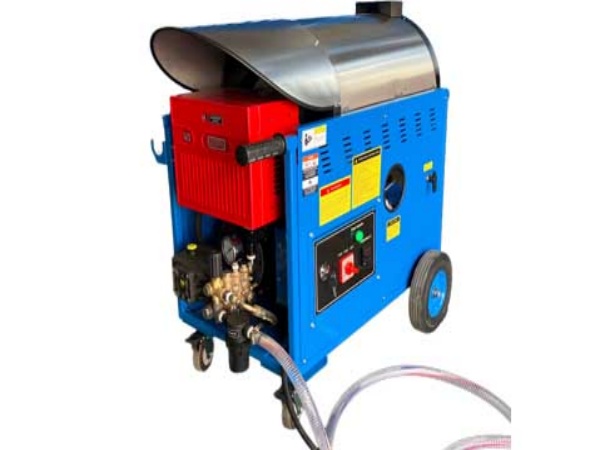
Recommended Equipment 3:
High pressure output and efficient removal of heavy dirt in outdoor cleaning.
| Name | Details |
|---|---|
| Model | GYB-1-15/200 |
| Rate Pressure | 200bar (2900psi) |
| Water flow | 15L/min |
| Plunger diameter | 18mm |
| Input speed | 1480 rpm |
| Pump speed | 1480 rpm |
| Plunger stroke | 21 mm |
| Electric motor | 4kw |
By Mobility — Stationary, Portable, Trailer-Mounted, or Truck-Mounted?
Once you’ve determined your power source and thermal requirements, the final variable is how your high pressure power washer needs to move — or whether it needs to move at all. Mobility configuration affects not just convenience, but operational efficiency, setup time, and the total cost of deployment across your cleaning program.
Stationary Units
Stationary machines are permanently installed at a fixed location — mounted to a wall, floor, or production line infrastructure. They’re the most cost-effective configuration for operations with a defined, recurring cleaning location: a wash bay, a production line end-point, or a fixed maintenance station. Without wheels or a transport frame, stationary units are mechanically simpler and typically offer higher sustained output for their price point.
Portable / Cart-Mounted Units
Portable machines are mounted on a wheeled cart frame, allowing a single operator to move the unit across a site without vehicle assistance. They’re the most versatile configuration for operations where cleaning locations vary but remain within a contained area — a factory floor, a warehouse, a parking structure. Lightweight enough to handle solo, capable enough to tackle industrial-grade contamination.
Trailer-Mounted Units
Trailer-mounted machines are designed for operations that move between multiple sites. Power washing unit is mounted on a road-ready trailer that can be towed by any standard vehicle — arriving at the job site as a self-contained cleaning station, ready to deploy within minutes. For contractors, municipal maintenance teams, and service companies covering multiple locations, trailer mounting eliminates the need to permanently dedicate a vehicle to the cleaning operation.
Truck-Mounted Units
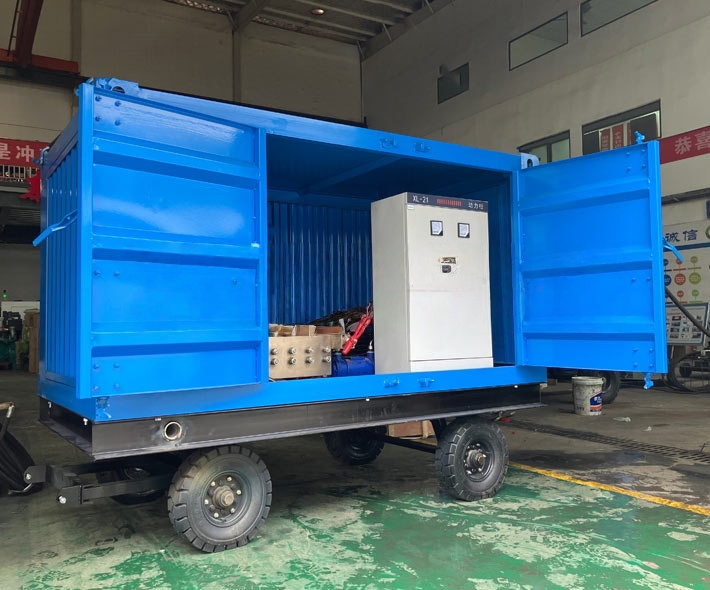
JMT-3-50/1000
Core advantages
- Superior Power: 90kW motor with 1000 bar pressure for deep-cleaning efficiency.
- German Engineering: Pump utilizes WOMA tech for maximum reliability and stability.
- Intelligent Safety: Built-in high-temperature and high-pressure alarms.
- Dual Filtration: Removes micro-particles to extend pump life and reduce downtime.
Core Applications
- Heat Exchangers & Pipes: Deep descaling of tubes and condensers.
- Shipyards: Hull cleaning, rust removal, and paint stripping.
- Construction: Concrete surface prep and mixing drum cleaning.
- Petrochemical: Cleaning of reactors, tanks, and boilers.
Truck-mounted configurations integrate the pressure machine directly into a vehicle — permanently or semi-permanently installed on a flatbed, utility truck, or specialist service vehicle. This is the configuration of choice for operations that require rapid deployment across large geographic areas: pipeline inspection and maintenance teams, large-scale municipal infrastructure contractors, and industrial service providers covering regional territories. The machine travels with the vehicle, arrives ready to operate, and eliminates setup and teardown time entirely.
Ready To Take The Next Step
You now have a clear picture of the three configuration variables that define the right industrial high pressure cleaning machine for your operation. The next step is matching those variables to the technical specifications that will determine real-world performance.
Identified your configuration type? Browse our full industrial model range — filtered by power source, temperature, and mobility setup.
High Pressure Washing Machines for Manufacturing & Heavy Industry
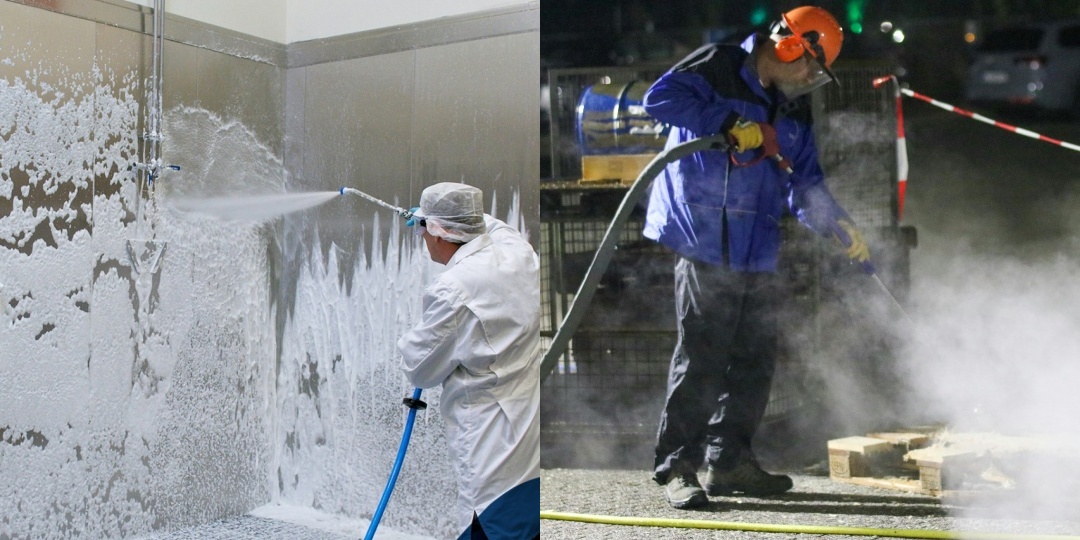
The Cleaning Challenge
Manufacturing environments generate contamination continuously as a byproduct of production. Machinery accumulates grease and cutting fluid residue. Production line surfaces collect metal particulate and industrial dust. Factory floors absorb oil spills, coolant overflow, and compacted grime across every square meter of operating space.
Firstly, traditional cleaning approaches — manual scrubbing with chemical solvents, mop-and-bucket methods, periodic contractor visits — share a common limitation: they require extended equipment downtime. A production line that stops for cleaning is a production line that isn’t producing. In high-output manufacturing environments, every hour of cleaning downtime carries a direct cost that compounds across the operating year.
The secondary problem is chemical dependency. Manual cleaning of oil and grease contamination requires solvent-based cleaning agents that generate VOC emissions, create disposal compliance obligations, and add recurring expenditure to the cleaning program. Facilities operating under environmental compliance frameworks face increasing pressure to reduce chemical usage — a requirement that manual cleaning methods cannot meet without sacrificing cleaning effectiveness.
The Right Configuration
Three factors define the correct high pressure washing machine specification for manufacturing environments.
- First, the contamination type. Grease, oil, and cutting fluid are hydrocarbon-based contaminants that cold water pressure alone cannot reliably remove regardless of PSI. Hot water above 60°C breaks down the molecular bonds holding these substances to surfaces — a chemical reaction that mechanical force cannot replicate. For any manufacturing environment where oil and grease are the primary contaminants, a hot water configuration is the correct starting point, not an optional upgrade.
- Second, the power source. The majority of manufacturing facilities have stable electrical infrastructure throughout the plant. Electric motors deliver consistent, quiet output without exhaust emissions — making them the practical default for indoor fixed installations. Diesel or gasoline power is only warranted in areas of the facility where electrical access is genuinely limited.
- Third, the flow rate. Large factory floor areas require volume to clean efficiently. A machine with high pressure but insufficient flow rate will clean effectively but slowly — covering ground at a rate that makes full-facility cleaning cycles impractically long. For manufacturing floor applications, flow rate is frequently the more important variable than pressure.
Recommended specification for manufacturing environments:
- Power source: Electric
- Water temperature: Cold water
- Working pressure: 500-1000bar
- Flow rate: 20–40 LPM
- Mobility: Stationary or cart-mounted depending on facility layout
What This Delivers in Practice?
- Cleaning time per equivalent floor area reduces by 70% compared to manual methods. A single operator with an specified hot water machine covers the same ground as a two or three-person manual cleaning crew — in less time, with better results, and without solvent input.
- Hot water output eliminates oil and grease without chemical solvent dependency, addressing VOC compliance exposure. Facilities that have transitioned from solvent-based manual cleaning to hot water pressure washing report reductions in chemical procurement costs alongside improved compliance outcomes.
- Equipment cleaning without disassembly becomes practical at pressure levels. Machinery surfaces, conveyor components, and production line infrastructure can be cleaned in place, reducing the downtime associated withcleaning cycles.
Recommended Model 1:
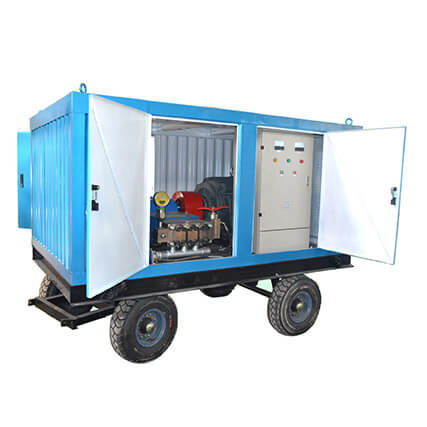
High Pressure Cleaning equipment (JMT--57/500)
Best For: Machine tools/CNC equipment/Production floor maintenance/Conveyor systems/Equipment degreasing
Running a manufacturing facility? Get a Configuration Recommendation for Your Plant.
High Pressure Washing Machines for Construction & Infrastructure
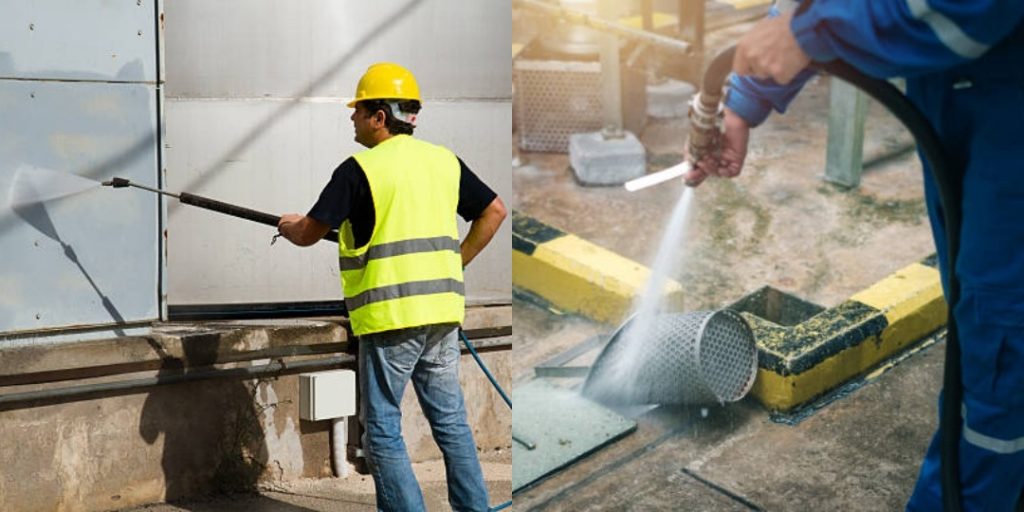
The Cleaning Challenge
Construction sites present a combination of cleaning requirements that standard equipment configurations cannot handle. Concrete residue hardens rapidly on formwork, reinforcement steel, and construction machinery — within hours of placement, concrete transitions from a workable material to a substance that requires mechanical force to remove. Building mud accumulates on vehicle undercarriages, tyres, and chassis components during every operating day. Steel structural components develop rust and surface contamination that requires preparation before coating or inspection.
The operational environment compounds the equipment challenge. Construction sites rarely have reliable electrical infrastructure. Power availability is temporary, circuit capacity is limited, and extension cable runs across active sites create safety and logistics problems. Equipment needs to move — between areas of the same site, between sites on the same day, and between projects with minimal setup time. A machine that requires fixed installation or a stable power connection is a machine that doesn’t work on a construction site.
The Right Configuration
The absence of reliable site power makes the power source decision straightforward: diesel is the correct choice for construction and infrastructure applications. Diesel engines operate independently of grid infrastructure, deliver sustained high-pressure output under continuous load, and provide the mobility that construction operations require. Gasoline models are an alternative for smaller contractors with lighter workloads, but diesel is the standard for serious construction cleaning programs.
Mobility configuration is the second critical variable. Trailer-mounted units can be towed by any standard vehicle, arriving at the job site as a self-contained cleaning station and deploying within minutes of arrival. Truck-mounted configurations integrate the machine directly into a service vehicle — appropriate for large contractors operating across multiple sites who require rapid deployment without trailer logistics.
Water temperature is straightforward for construction applications: cold water is sufficient. The primary contaminants — concrete residue, mud, road grime, rust — are physical rather than chemical in nature. Cold water at adequate pressure removes them effectively. The additional cost and mechanical complexity of a heating system generates no cleaning benefit in this context.
Recommended specification for for construction and infrastructure environments:
- Power source: Diesel
- Water temperature: Cold water
- Working pressure: 150–250 bar
- Flow rate: 30–80 LPM
- Mobility: Trailer-mounted or truck-mounted
What This Delivers in Practice?
Concrete formwork cleaned to an adequate standard after striking can be reused on the next pour without surface preparation delays. Formwork is not cleaned requires extended preparation time or premature replacement.
Construction machinery cleaned on a schedule maintains mechanical performance, allows identification of developing issues and extends service intervals.
Road and infrastructure surface cleaning at 150–250 bar removes contamination that low-pressure methods displace rather than eliminate — producing surfaces that meet municipal standards rather than simply clean.
Recommended Model 2:
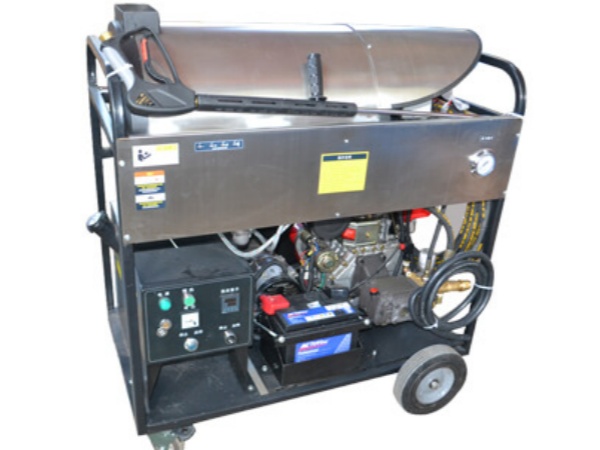
Diesel Cold Water High Pressure Cleaner (JMT-1-15/200)
Best For: Formwork cleaning/Steel structure preparation/Construction equipment washing/Road surface cleaning /Site perimeter maintenance
Working on construction or infrastructure projects? Request a Trailer-Mounted Configuration Quote.
High Pressure Washing Machines for Chemical & Marine Industry
The Cleaning Challenge
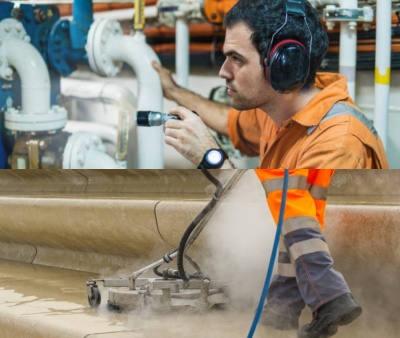
Chemical processing facilities and marine operations share a cleaning challenge that most industrial environments do not face: the contamination itself is frequently hazardous, the surfaces being cleaned are structurally critical, and the consequences of inadequate cleaning extend well beyond operational inefficiency into safety, regulatory compliance, and asset integrity.
In chemical processing plants, reactor vessels, heat exchangers, storage tanks, and pipeline networks accumulate chemical deposits, polymerized residues, and process scale that impair heat transfer efficiency, flow capacity, and reaction yields. These deposits are not simply dirty surfaces — they represent direct production losses, accelerated equipment corrosion, and in some cases, explosion or toxic release risk if allowed to accumulate beyond operational thresholds. Chemical plant cleaning must be conducted with precision: sufficient pressure and flow to remove deposits completely, without damaging vessel linings, gasket seats, or precision-machined surfaces.
Marine environments present a distinct but equally demanding set of challenges. Ship hulls accumulate marine biofouling — barnacles, algae, and microbial biofilm — that increases hydrodynamic drag, raises fuel consumption, and creates a pathway for corrosion of the hull coating system beneath. A vessel operating with heavy biofouling on its hull consumes 10–40% more fuel per nautical mile than a clean hull at equivalent speed — a direct operating cost that compounds across every voyage.
The Right Configuration
Chemical and marine applications require a higher level of specification precision than standard industrial cleaning programs. The configuration decisions below address the specific demands of each environment.
For chemical plant vessel and pipeline cleaning, ultra-high pressure capability is frequently the determining specification variable. Chemical deposits — polymerized process residues, carbonate scale, sulfur deposits — bond to vessel surfaces at a molecular level that standard industrial pressure cannot break. Sustained output at 300–700 bar using specialized rotating and oscillating nozzle assemblies generates the mechanical energy required to fracture these bonds and remove deposits without abrasive media or chemical stripping agents. High-pressure water jetting at this level is recognized by the Society for Protective Coatings (SSPC) and NACE International as an effective surface preparation method equivalent to abrasive blasting for coating application purposes.
For chemical environments, all wetted components — pump seals, hose inner liners, nozzle bodies, and lance fittings — must be specified in materials compatible with the chemical residues present in the equipment being cleaned. Stainless steel 316L, PTFE-lined hose, and ceramic-tipped nozzles are the standard material package for chemical plant applications. Standard rubber hose inner liners and brass fittings are incompatible with many process chemicals and will degrade rapidly, creating both performance and safety problems.
For marine hull cleaning, the operational environment determines the configuration. Drydock hull cleaning prior to recoating requires sustained high-pressure output at 500–1,000 bar for surface preparation to the standard required for marine coating application — typically SSPC-SP 12 / NACE No. 5 waterjet standard or above. In-water hull cleaning between drydocking intervals uses lower pressure at higher flow rates — sufficient to remove biofouling without damaging the existing coating system.
Diesel power is the universal requirement for marine and offshore applications. Shore power availability at berth is inconsistent, in-water and offshore operations have no access to grid infrastructure, and the high-output specifications required for hull preparation exceed what electric configurations can sustain without industrial three-phase power. Diesel engines with marine-grade corrosion protection on external components are the correct specification for salt environment deployment.
Recommended specification for chemical plant applications:
- Power source: Electric (indoor fixed) or Diesel (field/outdoor)
- Water temperature: Cold water (standard)
- Working pressure: 300–700 bar
- Flow rate: 15–60 LPM
- Wetted materials: SS316L / PTFE-lined hose / ceramic nozzles
- Mobility: Stationary or cart-mounted for plant applications
Recommended specification for marine hull cleaning (drydock):
- Power source: Diesel
- Water temperature: Cold water
- Working pressure: 500–1,000 bar
- Flow rate: 15–40 LPM
- Mobility: Cart-mounted or portable
- Compliance: SSPC-SP 12 / NACE No. 5 surface preparation standard
Recommended Model 3:
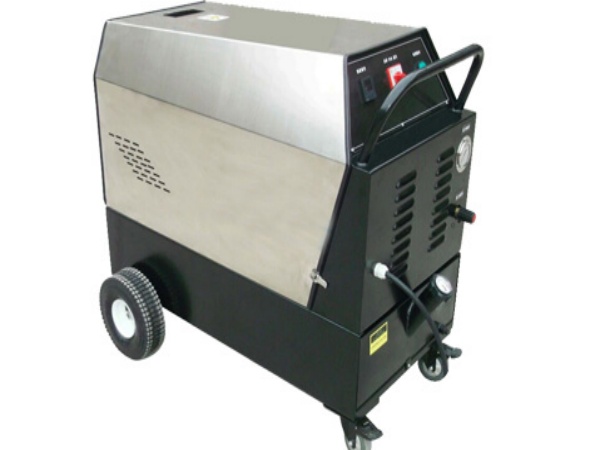
Hot and Cold High Pressure Washer (JMT-1-15/200)
What This Delivers in Practice?
Chemical plant operators who transition from chemical stripping agents to high-pressure waterjet cleaning for vessel and heat exchanger maintenance consistently report three measurable outcomes. Cleaning cycle time reduces by 40–60% compared to chemical soak and manual removal methods — a reduction that directly translates into shorter planned maintenance shutdowns and faster return to production. Chemical procurement and disposal costs for the cleaning program are eliminated entirely, replacing a recurring expenditure line with a one-time capital investment in equipment. Surface preparation quality for vessel re-lining and coating application meets or exceeds the standard achievable by chemical methods, extending the service life of protective coatings and reducing re-treatment frequency.
Marine operators tracking hull performance data before and after high-pressure biofouling removal consistently measure fuel consumption reductions of 8–15% per voyage following a full hull clean — a saving that recovers the cleaning cost within one or two voyages for most vessel classes. For commercial shipping operators with vessels on regular routes, the annual fuel saving from a structured hull maintenance program using high-pressure waterjet cleaning is a material line item in the operating budget.
Best For: Chemical vessel cleaning/Heat exchanger maintenance/Offshore deck cleaning
Get a Compliance-Ready Configuration.
High Pressure Washing Machines for Municipal & Pipeline Services
The Cleaning Challenge
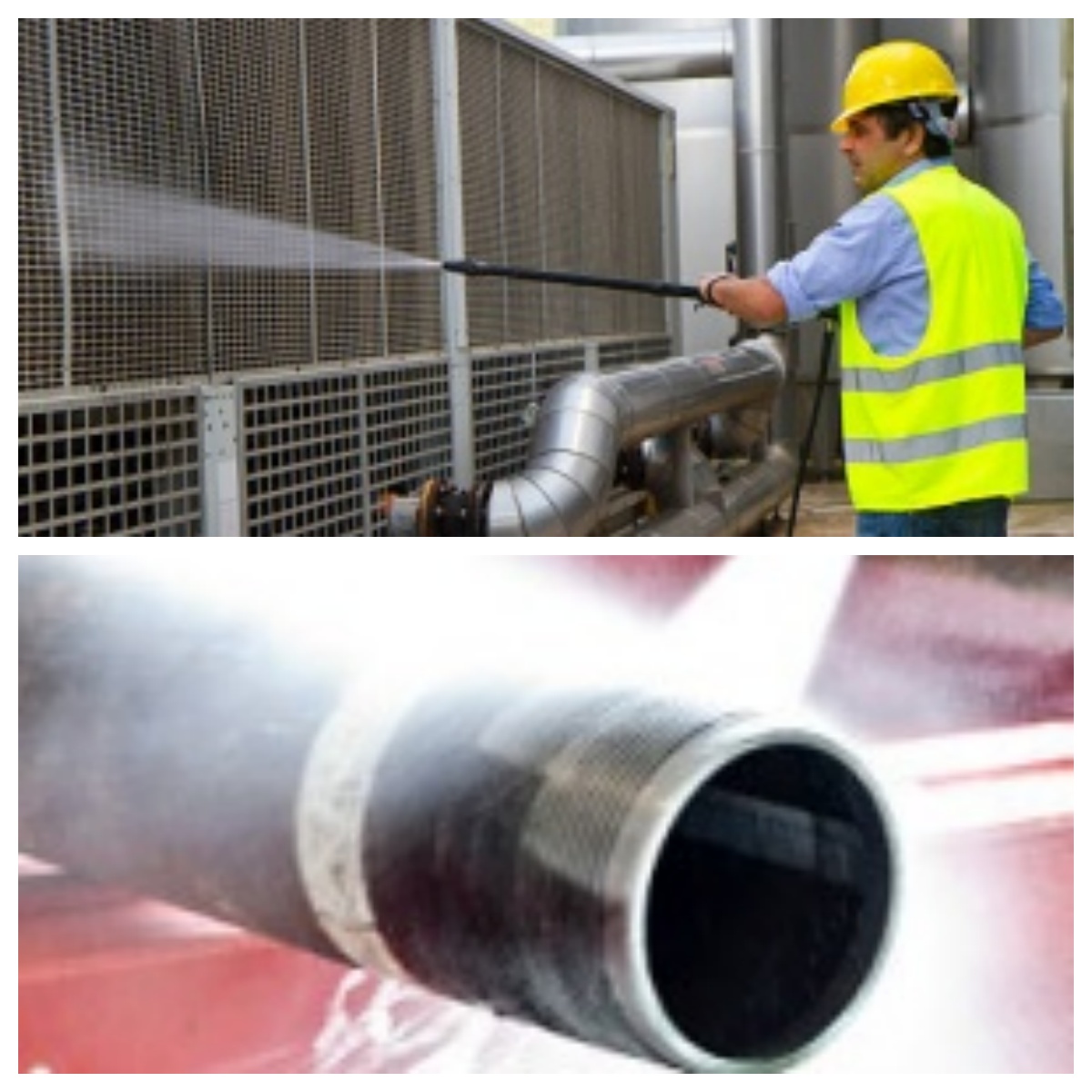
Municipal infrastructure cleaning operates at a scale and complexity that separates it from every other industrial application. Urban drainage networks span hundreds of kilometers of pipe in a single city district. Blockages in main drainage lines — caused by accumulated grease, sediment, root intrusion, and structural deposits — create flooding risk, infrastructure damage, and public health exposure if not cleared promptly and effectively.
Water storage tanks require periodic cleaning and inspection to maintain water quality and structural integrity. Tank contamination — sediment accumulation, biological growth, surface corrosion — progresses continuously and requires physical removal rather than chemical treatment alone.
Road and public space cleaning at municipal scale demands equipment that can cover large surface areas rapidly, deploy across multiple locations in a single operating day, and meet emission and noise standards in urban environments where residential and commercial activity continues during cleaning operations.
The Right Configuration
Pipe jetting at municipal scale requires the highest pressure and flow rate outputs available in industrial pressure washing equipment. Clearing blockages in drainage mains with pipe diameters of 150mm and above requires sustained output at 200–500 bar combined with flow rates of 60–200+ LPM — specifications that only diesel-powered heavy-duty configurations can deliver. The jetting nozzle must generate sufficient thrust to advance through the pipe against resistance while simultaneously cutting through and flushing blockage material back toward the access point.
Truck-mounted configurations are the operational standard for municipal pipeline teams. The machine integrates directly into the service vehicle — arriving at each access point with no setup time, deploying immediately, and relocating to the next site without trailer logistics. For teams covering multiple sites across a city district in a single shift, the operational efficiency advantage of truck mounting over trailer mounting is significant.
Water tank cleaning introduces a specific equipment requirement: rotating nozzle systems capable of reaching all internal surfaces of the tank structure, including ceiling areas and corner joints that fixed spray cannot reach. Appropriate nozzle configuration for tank cleaning is as important as pressure and flow rate specification.
Regulatory compliance is a consistent requirement for municipal operations. European municipal contractors must meet EU Stage V exhaust emission standards for equipment operating in urban environments. Noise level compliance during residential-area operations is a secondary consideration for diesel-powered equipment.
Recommended specification for municipal and pipeline services:
- Power source: Diesel
- Water temperature: Cold water
- Working pressure: 200–500 bar
- Flow rate: 60–200+ LPM
- Mobility: Truck-mounted
What This Delivers in Practice?
Municipal pipeline teams that upgrade from equipment limited to 120 bar to heavy-duty configurations operating at 250+ bar bring large-diameter main jetting work in-house that required specialist contractor outsourcing.
Water tank cleaning with appropriate rotating nozzle configurations reduces cleaning cycle time by 50–60% compared to manual entry and scrubbing methods.
Road surface cleaning at pressure and flow rate removes contamination to a standard that satisfies municipal cleanliness requirements.
Recommended Model 4:
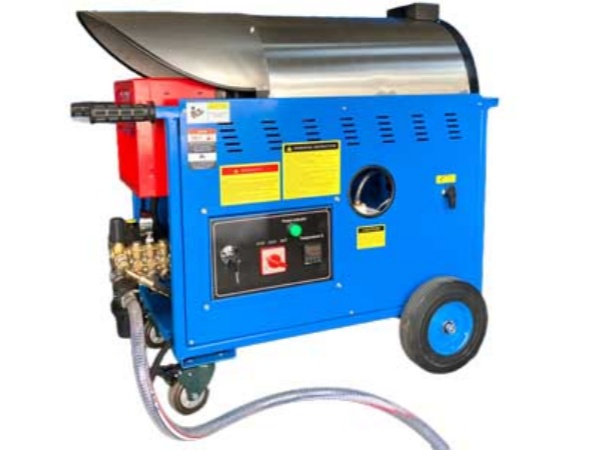
Diesel Heated High-Pressure Cold Water Cleaner (JMT-1-15/200)
Best For: Drainage jetting/Road cleaning/Water tank cleaning /Storm drain maintenance/Municipal sanitation programs
Running municipal or pipeline operations? Request a Truck-Mounted Jetting System Quote.
Why Choose Us as Your Industrial High Pressure Washing Machine Supplier?
In an industry flooded with middle-men, we stand out as a high water pressure washing machine manufacturer in China that owns the entire process—from the initial CAD drawing to the final sea-freight container. The JMT-1 series hot water high-pressure washers for sale are available through multiple convenient channels to meet diverse customer needs. Buyers can choose factory direct sales without any difficulty.
Unlike a standard Washer machines high pressure factory, we have achieved full vertical integration by manufacturing our own core components.This dual capability as both a high-volume High pressure washer machine factories hub and a precision-driven High pressure washer machine manufacturer allows us to guarantee superior quality while significantly reducing procurement costs for our global partners.
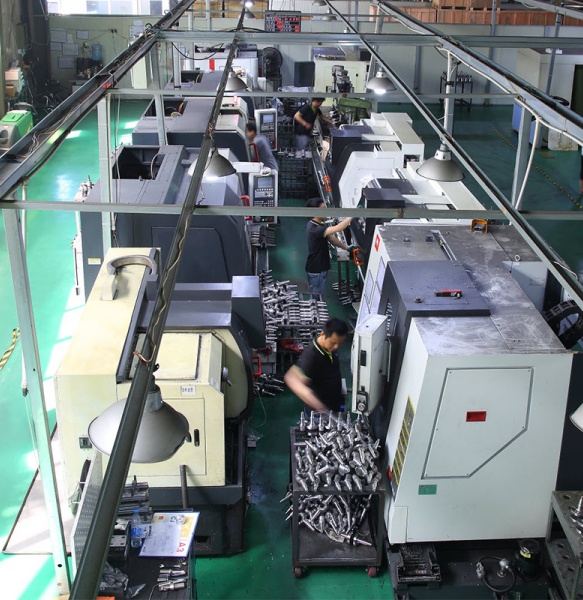
Our Independent R&D Team
Brand Guarantee
Our status as a motor high-pressure washer factory ensures that every unit—from a 1400W high-pressure washer manufacturer specification to a high-power pressure washer manufacturer-grade motor—is built to industrial standards.
Heavy-Duty industrial systems
Our high-pressure washer factories feature multiple specialized assembly lines, enabling us to fulfill both large-scale orders and high-end customization requirements simultaneously.
Customization OEM
As a flexible high-pressure washer supplier, we offer extensive customization — from design to final assembly — ensuring every unit precisely meets your requirements.
Strict testing protocols
Every unit leaves our facility built to vehicle-manufacturer-grade standards, with high-pressure hoses rated at 2.5–3.5x working pressure.
After-sales arrival support
Warranty Policy
Warranty claims are straightforward: contact our after-sales team with a description and photo/video documentation, receive a diagnosis and resolution proposal within 48 hours. Extended warranty and priority response are available for bulk orders — contact us to discuss.
Technical Support
- Pre-purchase: Free engineering consultation on specifications and custom solutions for non-standard applications.
- Production: Regular updates and third-party inspection support for bulk orders.
- Post-delivery: Remote diagnosis via video/photo, multilingual manuals, video training, and 24-hour inquiry response.
Spare Parts Supply
We stock all primary wear parts (standard orders ship within 3 days, expedited available), include a 12–18‑month parts list at no extra freight, and guarantee 8‑year parts availability — because for international buyers, idle machines waiting for components mean direct production loss.
Our Certifications
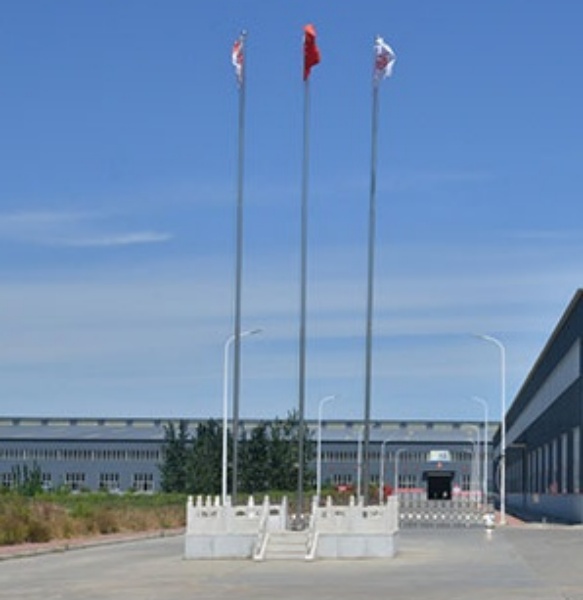

Our Global Export & Logistics Capabilities
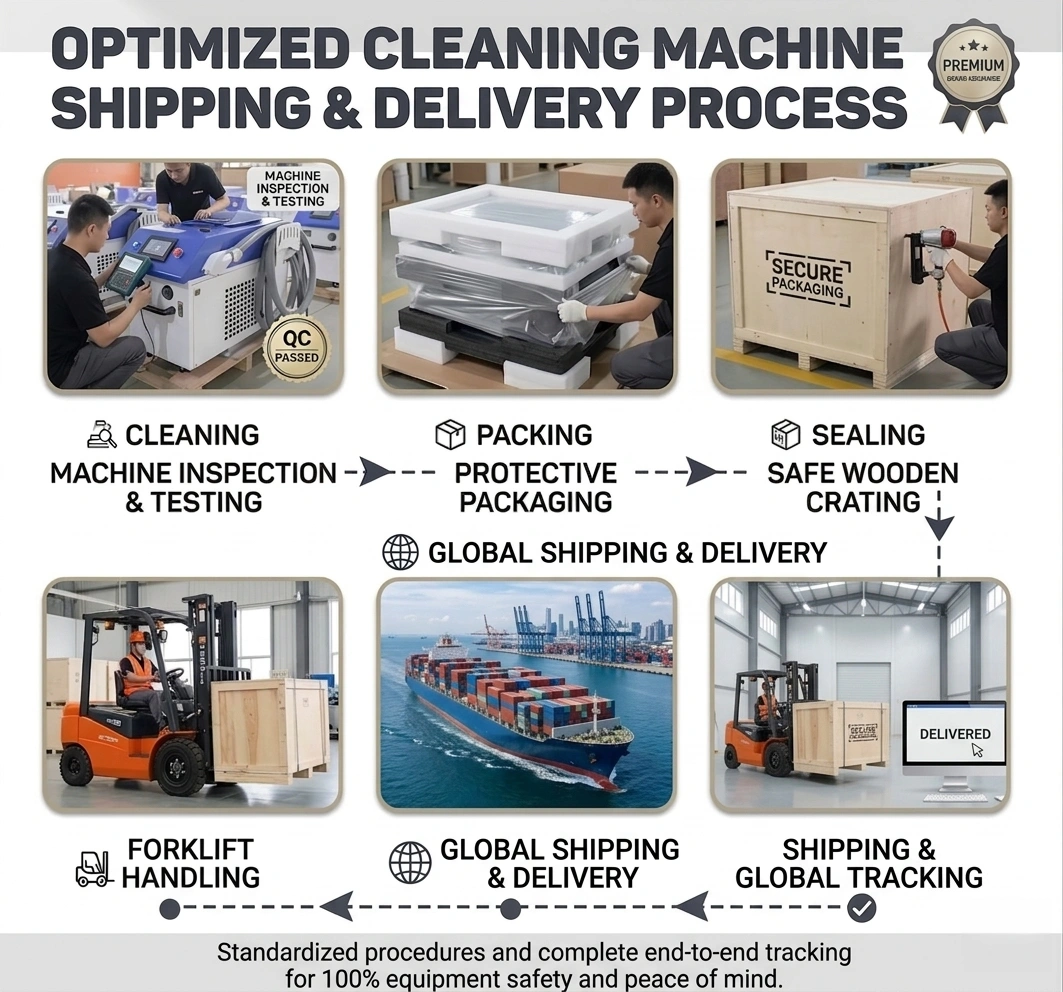
Pre-shipment inspection & testing
Before any high pressure jet machine leaves our facility, it undergoes a 100% QC check. We test the pump’s pressure stability, engine thermal limits, and safety valve triggers. A “QC Passed” certificate and a detailed testing video are provided to the client for peace of mind.
Logistics & export documentation
- Bills of Lading (B/L)
- Commercial Invoices & Packing Lists
- Certificates of Origin (CO)
- Compliance Certificates (CE/EPA/UL)
Direct factory advantage
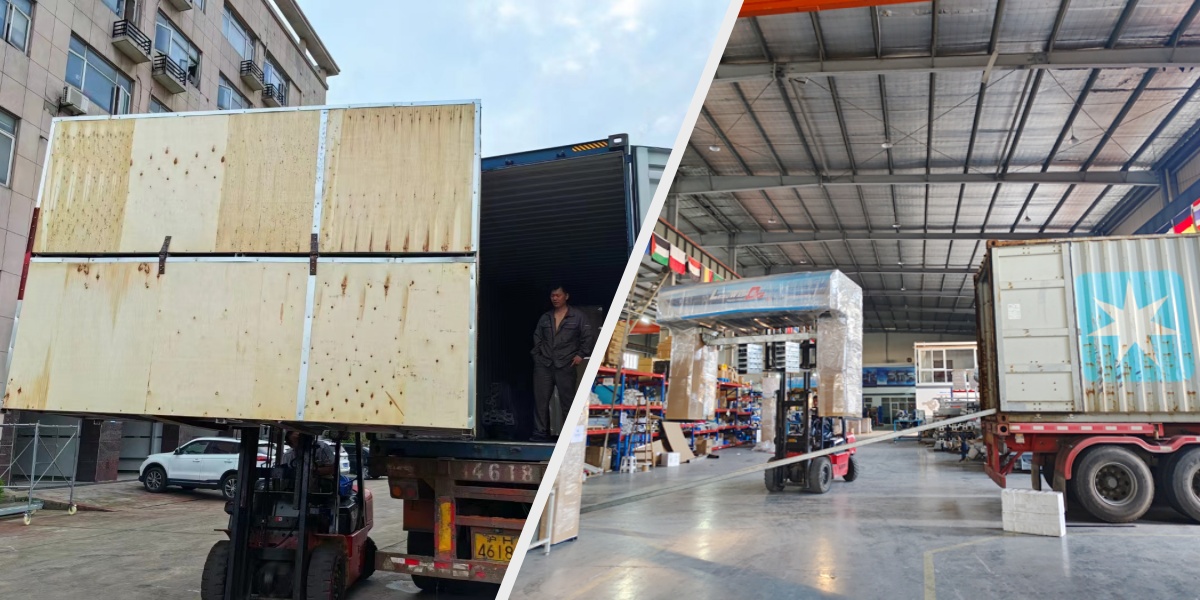
We offer direct factory-to-customer shipping. This means you source directly from our high-pressure washer factories, bypassing all intermediaries and ensuring the fastest possible lead times
High Pressure Washing Machines Technical Parameters and Performance
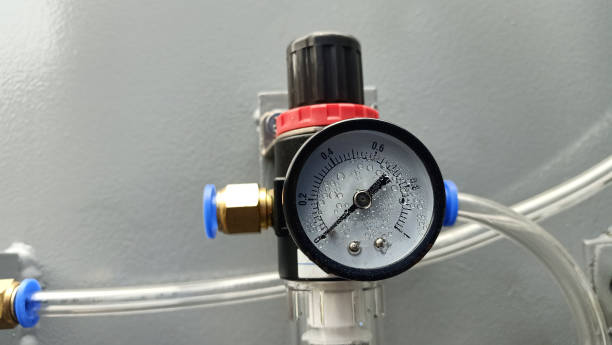
Selecting an industrial high pressure washer machine on brand name or price alone is how operations end up with equipment that underperforms, breaks down ahead of schedule, or simply cannot handle the contamination they were purchased to remove. The specifications are what matter — and understanding what each number actually means in practice is what separates a confident purchasing decision from an expensive mistake.
Motor Types
Electric Motor/Diesel Engine/Gasoline Engine
Pressure Output (150Bar — 500Bar+)
Industrial high pressure washer machines are rated across a working pressure range that directly determines their capable application scope. Pressure is measured in bar or PSI — the conversion standard is 1 bar = 14.5 PSI.
Working Pressure Range by Machine Grade:
- Mid-range industrial: 150–300 bar (2,175–4,350 PSI) — hot water and diesel configurations
- Heavy-duty industrial: 300–500 bar (4,350–7,250 PSI) — high-output diesel triplex pump configurations
- Ultra-high pressure: 500+ bar (7,250+ PSI) — specialist cutting and surface preparation applications
Flow Rate
Pressure determines how deep the cleaning action penetrates. Flow rate determines how fast that action covers ground. The two work together — and both must be matched to your application. At equal pressure, doubling the flow rate cuts cleaning time for the same surface area by nearly half.
The core formula industrial buyers should know: Cleaning Unit (CU) = PSI × GPM
- 20–60 LPM (5.3–15.9 GPM):Mid-Scale Industrial Applications The standard range for factory floors, loading docks, and fleet vehicle washing programs. Typical pairing: electric motor 7–22 kW or gasoline engine 10–20 HP, pressure range 100–300 bar.
- 60–200+ LPM (15.9–52.8+ GPM) :Large-Scale Municipal & Pipeline OperationsRequired for main drainage jetting, large infrastructure cleaning, and high-throughput industrial programs. Typical pairing: diesel engine 30–100 HP, pressure range 150–500 bar.
Pump Type
The pump is the mechanical core of any pressure washing machine — and it’s where the difference between industrial-grade and commercial-grade equipment is most clearly defined. There are two pump types you’ll encounter across the market. Understanding the distinction is non-negotiable for any buyer making a serious industrial investment.
Axial cam pumps are the standard configuration in consumer and light commercial machines. They’re compact, inexpensive to manufacture, and adequate for intermittent, low-intensity use. What they are not is serviceable. When the seals and valves wear — and under continuous industrial use, they wear quickly — the pump is replaced as a unit. There is no rebuilding it.
Triplex plunger pumps are engineered to a fundamentally different standard. Three independent plungers operate in sequence, delivering smooth, consistent pressure output with significantly lower vibration and heat generation than axial designs. When components wear, individual seals, valves, and plungers are replaced independently — the pump itself can be rebuilt indefinitely. Under daily industrial operation, a well-maintained triplex pump routinely delivers 5–10+ years of service life.
Power Source
The operational capability of a high pressure cleaning machine is fundamentally dictated by its power source. To select the appropriate equipment configuration, refer to the technical limits and output parameters below:
Electric Drive
- Power Output Range: 2 – 30 kW
- Maximum Pressure Limit: Approximately 250 bar (3,625 PSI)
- Technical Requirement: Requires access to a stable, continuous electrical power supply (three-phase electrical connections are standard for high-wattage configurations).
Gasoline Engine
- Power Output Range: 5 – 20 HP
- Maximum Pressure Limit: Approximately 300 bar (4,350 PSI)
- Technical Limitation: Continuous runtime is constrained by the physical fuel capacity of a single tank refill.
Diesel Engine
- Power Output Range: 10 – 100 HP
- Maximum Pressure Limit: 500+ bar (7,250+ PSI)
- Technical Advantage: Engineered for high-load, heavy-duty, and prolonged continuous operational cycles.
- Technical Note: Engine output power (kW or HP) is directly correlated with water flow rate (L/min). When configuring your power washing unit, it is essential to verify that your target flow rate is mathematically achievable within the mechanical power limits of the selected engine or motor.
Ready To Take The Next Step
Every specification covered in this section — pressure, flow rate, pump type and power source — has a direct impact on what you pay and what you get back over the machine’s operational life. The next section breaks down exactly how these variables translate into purchase price, total cost of ownership, and return on investment.
Now,all models are available for immediate order. Reach out to our sales team for bulk pricing and customization. Contact us.
Hot Selling High Pressure Washer Models
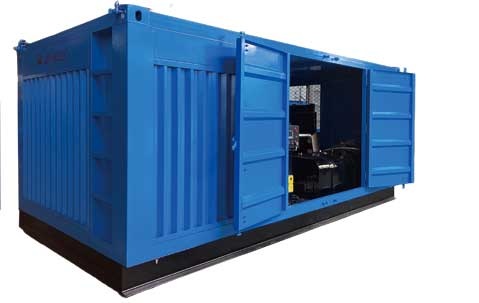
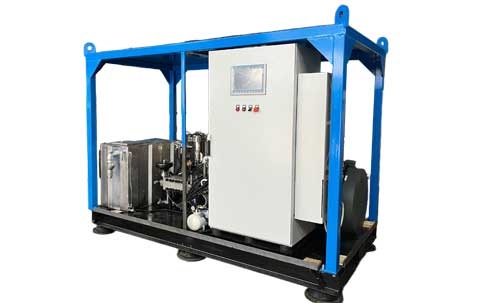
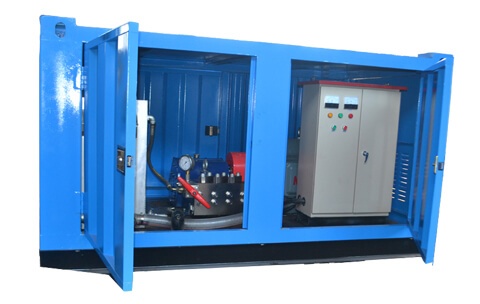
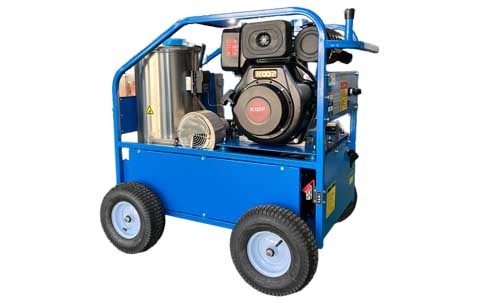
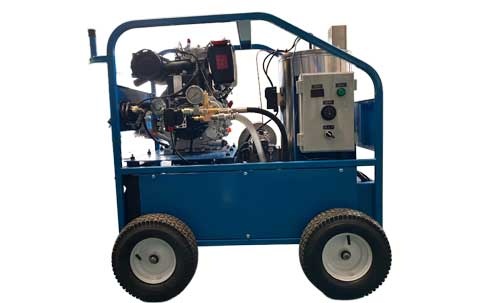
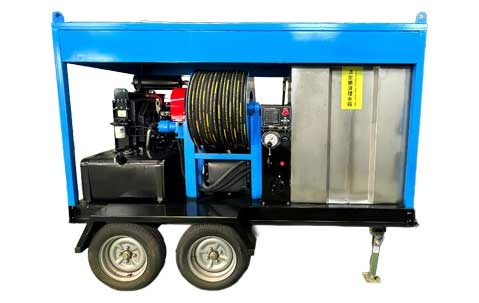
The High-Pressure Hot Water Cleaner is a heavy-duty cleaning machine that delivers scalding hot water (up to 80–95°C / 176–203°F) combined with high-pressure jets (up to 100–200 bar) to blast away grease, oil, dirt, and tough stains.
Here are some hot selling models, and you can always contact us for a customized machines.
Industrial High Pressure Washing Machine Price & Cost
For industrial buyers, price is never just the number on the invoice. A $800 machine that fails under daily operation within 18 months costs more than a $2,500 machine that runs reliably for a decade. This section breaks down exactly what drives the price of an industrial pressure cleaning machine, what your total cost of ownership actually looks like, and what return you can realistically expect from the right investment.
What You Actually Pay
Factory-direct pricing for industrial power wash machines falls across three tiers, each reflecting a meaningful difference in engineering standard and operational capability — not just a marketing label.
Entry-Level Industrial($600—$1,300)
Covers electric cold-water machines with triplex plunger pumps at the lower pressure range, suitable for light-to-medium industrial cleaning programs with moderate daily use. Adequate for operations where cleaning is a support function rather than a core daily activity.
Mid-Range Full-Feature($1,200 — $2,500)
The most common specification range for serious industrial buyers. This tier covers hot water capability, higher pressure and flow rate configurations, and more robust mobility setups. Machines in this range are built for daily operation across a full working shift.
Heavy-Duty Custom($2,000 — $4,500+)
Diesel-powered, high-pressure, high-flow configurations — often trailer-mounted or truck-mounted — built for continuous heavy-duty operation in demanding field environments. Custom specifications, OEM branding, and specialized nozzle configurations are quoted individually based on requirements. One critical note on pricing: these figures represent factory-direct ex-works pricing. Distributor and reseller channels typically add a 30–50% markup on top of manufacturer pricing for the same specification. Sourcing direct eliminates that margin entirely.
We supply factory-direct — no middleman, no markup, no inflated list price.
Why High Pressure Washer Prices Differ by Model?
We manufacture directly in our factory, giving you a cost advantage without compromising quality. This allows us to provide competitive pricing tailored to your exact cleaning requirements.
- Pressure range and flow rate
- Consider your cleaning environment, surface types, and workload.
- Power type (electric, diesel, or gasoline)
- Machine size and industrial-grade components
- Evaluate whether you need industrial-grade pressure, hot water only, or steam cleaning capabilities.
What Drives the Price? (4 Factors)
Two machines can carry the same pressure rating and look identical on a spec sheet while being separated by $1,500 in price. Understanding what creates that gap is what separates informed buyers from buyers who get surprised after delivery.
Pump Type — Triplex plunger pumps cost 30–50% more upfront but last 5–10+ years and are rebuilt rather than replaced, making the cost per operating hour a fraction of axial pump replacement cycles.
Power Source — Diesel machines run 20–40% higher than electric equivalents, a premium that is fully justified for off-grid heavy-duty operations but unnecessary expenditure for fixed indoor installations.
Mobility Configuration — Trailer-mounted and truck-mounted setups add 15–30% to base machine cost, a worthwhile investment for multi-site operations but no added value for fixed-location facilities.
Custom Configuration — OEM branding, extended hoses, specialized nozzles, and non-standard specifications are priced individually based on your requirements — contact our engineering team for a detailed quote.
The machine price is just one part of the equation. The real question is total cost of ownership.
What You Actually Get Back (ROI)
For B2B industrial buyers, the purchasing decision is ultimately a financial one. The question is not whether the machine is good — it’s whether it generates a measurable return. Here is the full investment picture across three components. A premium, factory-direct machine is not just an expense—it is a high-yield asset designed to pay for itself through several key operational advantages:
Significant Labor Savings (Increased Job Capacity)
Time is the highest ongoing expense in any cleaning or jetting business. By delivering optimized pressure and flow rates, a professional-grade unit can complete a pipeline clearing or surface washing job in up to 50% less time than lower-tier consumer equipment[1]. This efficiency allows your team to handle more service calls per day without increasing labor hours.
Minimized Cost of Downtime
Equipment failure on a job site translates directly to lost revenue, wasted labor hours, and compromised client trust. Sourcing a unit equipped with premium components (such as industrial-grade triplex plunger pumps and brand-name engines) minimizes unscheduled maintenance and repairs, ensuring your machinery stays in the field and remains profitable
Reduced Operational Expenses (OpEx)
Engineered with high-efficiency diesel or electric motors and matched water-saving nozzles, our systems optimize both fuel and water consumption per job. Lowering your daily fuel and utility consumption dramatically improves your profit margins over the equipment’s lifespan.
Long-Term Cost-Benefit Analysis (Payback period by industry):
| Industry | Typical Usage | Estimated Payback Period |
|---|---|---|
| Cleaning contractors | Daily full-shift operation | 3–6 months |
| Manufacturing & factory | Weekly scheduled cleaning | 12–18 months |
| Municipal infrastructure | Project-based deployment | Subject to contract value |
| Food processing & agriculture | Seasonal high-intensity use | 1–2 operating seasons |
How to Order or Request Power Pressure Washer Quotes
- Contact our team to receive personalized recommendations and accurate pricing based on your application, ensuring the most cost-effective solution.
- Fill out the request form specifying pressure, flow, and motor type. Contact us now.
- Receive a hot water high-pressure washer quote within 24 hours.
- Get real-time quotes by submitting your requirements (pressure/flow/motor) within 24 hours.
How to Choose High Pressure Washing Machine
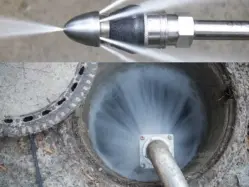
Choosing the wrong industrial high pressure cleaning machine is not just an inconvenience — it’s a capital allocation mistake that compounds across every operating day. An underpowered machine that can’t handle your contamination type. An oversized diesel unit purchased for a fixed indoor facility with stable power. A cold water machine deployed in a food processing environment that requires thermal sanitization. Each is a mismatch that could have been avoided with a structured selection process.
Work through the three steps below before evaluating a single model or price point.
Define Your Cleaning Scenario First
Five questions determine the correct configuration for your operation. Answer these before looking at specifications or pricing.
• Does your site have a stable, reliable power supply?
A confirmed yes points toward electric-powered configurations. Any uncertainty — remote locations, unstable grid voltage, outdoor field operations — points toward diesel or gasoline.
• What is the primary contamination type you’re dealing with?
Physical contamination (mud, dust, concrete residue) is handled effectively by cold water at adequate pressure. Oil, grease, food residue, and biological matter require hot water or steam — pressure alone cannot replicate what thermal energy does to hydrocarbon bonds.
• How many continuous hours per day will the machine operate?
Under 4 hours daily is light-to-medium industrial use. 4–8 hours is standard industrial. Above 8 hours continuous is heavy industrial — at this level, triplex pump specification and diesel power become non-negotiable, not optional.
• Does the machine need to move between different locations?
Fixed single-site operations: stationary or cart-mounted configurations. Multi-site contractors and field service teams: trailer-mounted or truck-mounted. The mobility requirement should be established before the pressure and flow rate specification.
• Are you operating under food safety, hygiene, or industrial compliance requirements?
HACCP, FDA, EU food hygiene regulation, or equivalent standards may mandate specific output temperatures that determine your thermal configuration. Confirm your regulatory obligations before finalizing specification — retrofitting a heating system after purchase is not cost-effective.
Mid-Range Full-Feature ($1,200 — $2,500)
Match Your Scenario to the Right Specification Range
With your five answers confirmed, the following reference matrix maps typical industrial purchasing scenarios directly to the specification range that covers them. This is not a product recommendation — it is a parameter boundary that your selected machine must fall within to perform adequately in your application.
| Typical Purchasing Scenario | Recommended Pressure | Recommended Flow Rate | Recommended Power | Recommended Water Temp |
|---|---|---|---|---|
| Factory equipment & floor cleaning | 80–150 bar | 15–30 LPM | Electric | Cold / Hot water |
| Construction sites & municipal outdoor | 150–250 bar | 30–80 LPM | Diesel | Cold water |
| Food processing & agricultural cleaning | 80–150 bar | 20–40 LPM | Electric | Hot water / Steam |
| Professional pipe jetting teams | 200–500 bar | 60–200 LPM | Diesel | Cold water |
| Industrial rust removal & surface prep | 300–500 bar | 20–60 LPM | Diesel | Cold water |
Two practical notes on using this matrix:
First, if your operation spans multiple scenarios in the table, specify to your most demanding row — a machine that meets the highest requirement in your list will handle everything below it. The reverse is not true.
Second, pressure and flow rate must be evaluated together. A machine that meets your pressure requirement but falls short on flow rate will clean to the right depth but too slowly to be operationally viable. Both columns must be satisfied simultaneously.
Matched your scenario? Contact our engineering team with your row selection and we’ll confirm the specific models that meet your specification.
Balance Budget Against Total Value
This step is not about finding the cheapest option within your budget. It is about allocating your budget to the components that generate the highest long-term return — and the priority order is not obvious without experience.
If your budget is constrained: Protect pump quality before everything else. A triplex plunger pump on a basic cold water frame outlasts and outperforms an axial pump on a fully-featured machine every time. Heating systems, mobility structures, and custom configurations can be added or upgraded later. A failed pump on a cheap machine cannot be economically repaired — it is replaced, and the cycle repeats. Put the available budget into the pump first.
If your budget is sufficient: Once triplex pump specification is confirmed, the next highest-return investment is mobility configuration. Trailer-mounted and truck-mounted setups that eliminate setup time and allow rapid site deployment generate measurable labor savings that compound across every working week. Custom nozzle configurations and extended hose lengths are the final layer — meaningful for specialist applications, unnecessary overhead for general industrial use.
If your budget is uncertain: Confirm your annual operating hours before committing to a specification level. A machine running 2 hours per day, 3 days per week has a fundamentally different TCO calculation than one running 8 hours daily. Calculate your annual hours, apply the operating cost figures from Section 4, and let the TCO number determine your investment level — not an arbitrary budget ceiling.
Why We Don’t Recommend Comparing by Brand Name Alone?
Brand recognition in industrial equipment is not a reliable proxy for engineering quality, parts availability, or after-sales support capability. A well-known brand name on the housing does not tell you what pump is inside it, where the seals were manufactured, or how quickly a replacement part reaches your facility when you need it. The dimensions that actually determine whether a supplier relationship works over a multi-year equipment lifecycle are specific and verifiable. Before committing to any supplier — including us — run through the following checklist:
Supplier Evaluation Checklist:
- What pump brand is installed? Named industrial pump brands — Cat Pump, AR, Interpump — are independently verifiable quality benchmarks with established global parts networks. An unbranded or house-label pump is an unknown quantity on service life and repairability.
- Are original CE and ISO certification documents available on request? Certificates should be current, traceable to a named certification body, and available as original documents — not photocopies or scanned images of uncertain provenance.
- What is the spare parts supply lead time? The relevant question is not whether parts are available — it is how many days elapse between your order and parts arriving at your facility. For international buyers, this number directly determines your maximum potential downtime duration.
- Is OEM or custom specification supported? Suppliers with genuine manufacturing capability can accommodate non-standard pressure ratings, custom hose lengths, voltage specifications, and branded configurations. Traders and assemblers typically cannot.
- Which countries and regions does the supplier’s export history cover? Export experience in your target region indicates familiarity with local compliance requirements, logistics infrastructure, and import documentation — all of which affect delivery reliability and customs clearance speed.
Use this checklist on any supplier you are evaluating — including us. We are confident in every answer.
Ready To Take The Next Step
You’ve Done the Hard Part. We’ll Handle the Rest.
You’ve identified your cleaning scenario, matched it to the right specification range, and know what to look for in a supplier. The next step is straightforward: tell us your requirements, and our engineering team will confirm the exact configuration, provide factory-direct pricing, and turn your specification into a ready-to-order solution — typically within 24 hours.
Our Industrial High Pressure Washing Machine Applications & Real Cases Worldwide
Applications
Power pressure washers are essential tools for industrial environments where grease, oil, and stubborn dirt accumulate on machinery and equipment. Our power pressure washers provide fast, efficient, and safe cleaning solutions that improve operational efficiency and protect sensitive surfaces.
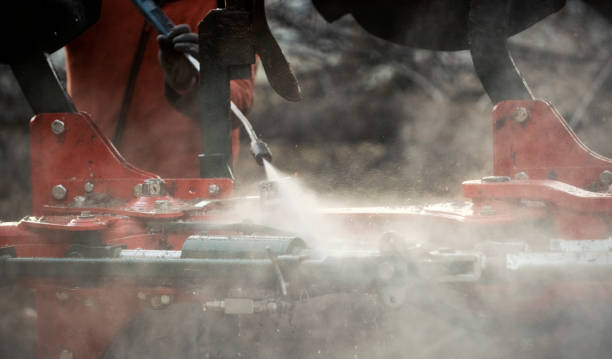
Factory Equipment Cleaning

Construction Industry
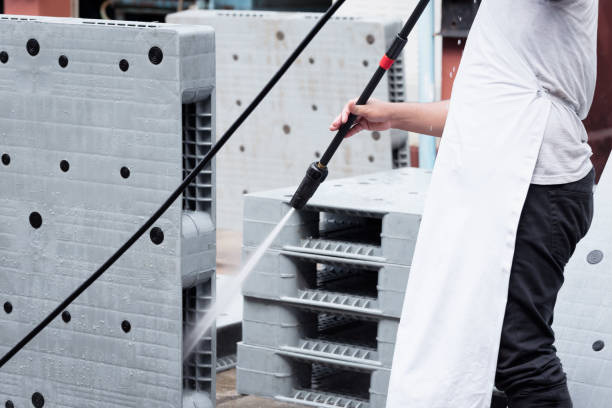
Pharmaceutical Industry
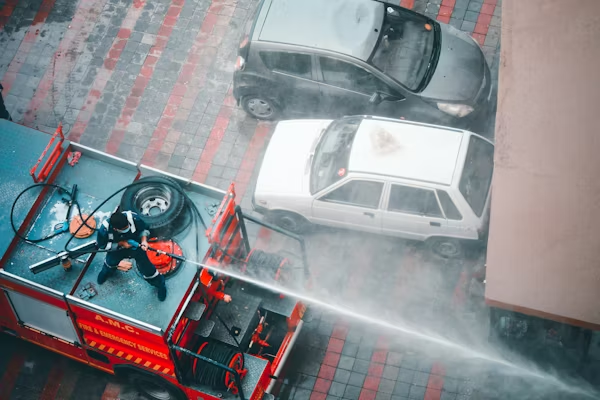
Public Industry
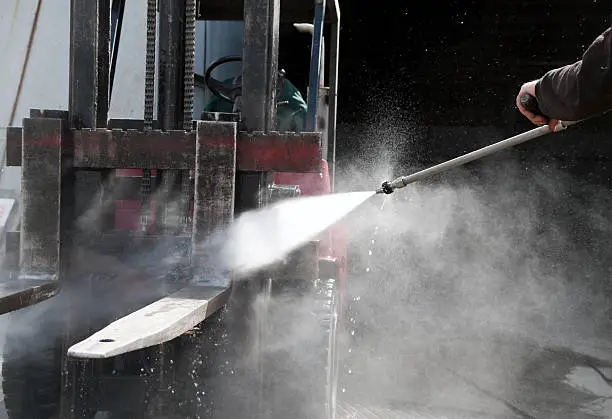
Heavy Machinery Maintenance

Food Processing Industry
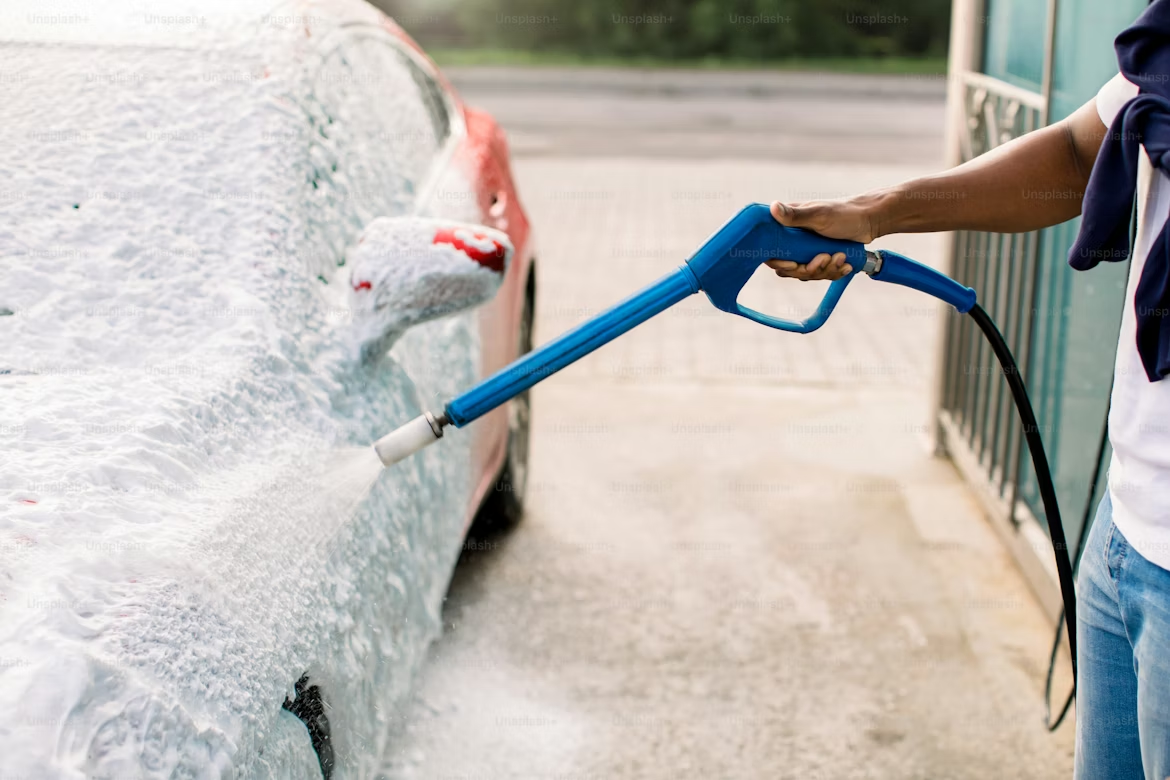
Industrial Vehicle Fleet Cleaning
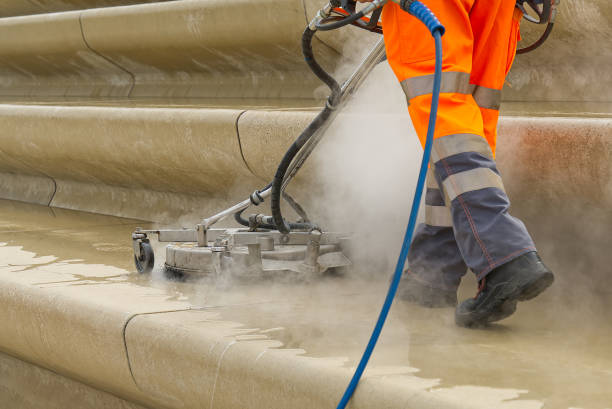
Marine Equipment Cleaning
Factory Equipment Cleaning: Industrial factories use pressure washers to clean assembly lines, conveyor belts, and manufacturing machines. The hot high-pressure water quickly removes grease, oil, and dust, reducing downtime and improving overall production efficiency.
Food Processing Industry: Food processing plants rely on power pressure washers to sanitize processing equipment, cutting tables, and storage tanks. The high temperature not only cleans effectively but also reduces bacteria and ensures compliance with hygiene standards.
Heavy Machinery Maintenance: Construction and mining companies utilize hot water high-pressure washers to clean trucks, dumpers, excavators, and bulldozers. Efficient dirt and mud removal prolongs machinery life and facilitates early detection of wear or damage.
Marine Equipment Cleaning: Shipyards and port facilities deploy power pressure washers for decks, hulls, and heavy marine equipment. Hot high-pressure water dissolves grease and grime while preventing corrosion, saving labor and maintenance costs.
Global Real Cases
Our industrial power pressure washers are trusted by clients worldwide for heavy-duty cleaning, fleet maintenance, and factory sanitation.
Case Study 1
Municipal Drainage Network Maintenance – Europe & Germany
A German municipal contractor operating 15 engineering vehicles for drainage maintenance faced a critical bottleneck: existing 120 bar equipment couldn’t handle main pipeline jetting, forcing expensive outsourcing while failing EU Stage V emission standards. We deployed our 250 bar / 120 LPM diesel truck-mounted system directly onto their fleet vehicles, meeting all compliance requirements without additional infrastructure. Result: 40% reduction in annual outsourcing costs, first-submission environmental approval, and repeat orders of 3 then 5 units — proving our ability to deliver compliant, high-performance solutions for European municipal infrastructure operations.
Case Study 2
Food Production Line Sanitization – Asia & Japan
A Japanese food processing operation struggled with HACCP compliance: their hot water system delivered only 55–65°C (below HACCP thresholds) and required 4-hour daily sanitization cycles that compressed production time. We deployed our 155°C electric steam pressure machine with food-grade detergent injection — no facility modification needed. Result: bacterial compliance improved from 92% to 99.7%, HACCP audit passed, cleaning time cut to 2.5 hours (recovering 1.5 hours per shift), and the solution was rolled out to two additional group facilities — proving our capacity to deliver precision sanitation solutions meeting the strictest food safety standards across Asian markets.
Case Study 3
Remote Industrial Processing Equipment Cleaning – Southeast Asia & Indonesia,
An Indonesian palm oil facility faced three interconnected challenges: rapidly hardening oil deposits in tropical conditions, unstable power supply that had damaged two electric machines, and no local repair capability in the remote location. Our 180 bar / 60 LPM diesel hot water trailer-mounted machine — equipped with overload protection, automatic pressure relief, and pre-shipped wear parts kit — solved all three simultaneously. After 18 months of continuous high-heat, high-humidity operation with zero major failures, the facility achieved 65% improvement in grease removal efficiency and 45% reduction in chemical consumption. Two neighboring facilities independently ordered based on direct referral — demonstrating our capacity to deliver reliable, self-sufficient solutions for remote industrial operations across Southeast Asian markets where equipment durability and local support are critical.
Whether you are searching for an Industrial power pressure washer India or a specialized unit in the Americas, our export infrastructure is built to support you.
3 Things to Verify Before You Buy Any High Pressure Washing Machine
The configuration decisions covered above determine whether a machine can do the job. The three verification steps below determine whether the machine you’re buying is actually built to the specification being quoted.
Verify the pump type and brand independently
Request a photograph of the pump nameplate or a written confirmation of the pump manufacturer before placing an order. A triplex plunger pump is the minimum standard for any genuine industrial application — axial cam pumps are consumer and light commercial components that do not withstand the continuous duty cycles of industrial use. Named pump brands — AR, Cat Pump, Interpump — are independently verifiable quality references with established global parts networks. An unbranded or house-label pump is an unknown quantity on service life, repairability, and parts availability.
Verify certification documents directly
CE certification documents should be provided as originals — not photocopies, not scanned images of uncertain provenance. The certifying body named on the document can be verified through the European Commission’s NANDO (New Approach Notified and Designated Organisations) database, which is publicly accessible online. ISO 9001 certificates should show the issuing certification body, the scope of certification, and the current validity period. A supplier who is unwilling or unable to provide original certification documents on request is a supplier whose certification status should be treated as unverified.
Test parts availability before you need it
Ask your supplier three specific questions before ordering: What is the current stock status of seal sets, nozzles, and inlet filters for this model? What is the lead time for an urgent parts order to your destination port? For how many years after production discontinuation will parts remain available? The answers to these questions determine your maximum potential downtime duration if the machine requires maintenance after delivery. For international buyers sourcing from overseas manufacturers, parts lead time is not a theoretical concern — it is an operational risk that should be quantified before purchase.
Full service documentation and model-specific maintenance schedules are available on request.
. QUESTIONS
Common Questions
Which matters more — flow rate (LPM/GPM) or pressure (bar/PSI)?
Both matter, and neither can substitute for the other. Pressure determines how deep the cleaning action penetrates — the force behind the water jet. Flow rate determines how fast that action covers ground — the volume moving through the system. A high-pressure, low-flow machine cleans effectively but slowly. A high-flow, low-pressure machine covers ground quickly but lacks the force to remove embedded contamination. The correct specification requires both parameters to be matched to your application simultaneously. As a practical reference: Cleaning Unit (CU) = PSI × GPM — this combined value is a more reliable performance indicator than either figure alone.
How long do industrial pressure washers last, and are maintenance costs high?
An industrial-grade machine built around a triplex plunger pump typically delivers 8–15 years of service life under normal operating conditions with scheduled maintenance. Annual maintenance costs on a well-specified industrial machine generally run $150–250 — covering seal replacement, filter changes, and routine servicing. This compares favorably to budget machines, which typically require $400–600 annually and full replacement every 2–3 years. The key variables are pump quality and maintenance consistency — both are within the buyer’s control.
What pressure is required for municipal pipeline jetting?
Effective jetting of drainage mains with pipe diameters of 150mm and above requires sustained output at 200–300 bar minimum, with flow rates of 60–120 LPM to generate sufficient water volume to flush blockage material back toward the access point. Larger diameter mains — 300mm and above — typically require 250–500 bar and 80–200 LPM depending on blockage severity and pipe condition. All municipal pipeline jetting applications require diesel power — electric configurations cannot sustain these output levels without industrial three-phase infrastructure.
Can one machine handle both factory floor cleaning and equipment degreasing?
Yes, provided the machine is specified correctly from the outset. A hot water electric machine in the 80–150 bar / 20–40 LPM range with an interchangeable nozzle set handles both applications effectively. Floor cleaning at higher flow rates uses rotary nozzle configurations for rapid area coverage. Equipment degreasing uses focused lance nozzles at closer working distances. The machine specification does not change between applications — the nozzle configuration and working technique do.
What is your minimum order quantity (MOQ), and do you support custom orders?
Our standard MOQ is 1 unit for off-the-shelf configurations — there is no minimum volume requirement for initial trial orders. For OEM and custom specification orders, MOQ varies by configuration and is confirmed at the quotation stage. Customization options include pressure and flow rate specification, power source and voltage configuration, mobility setup, hose length and nozzle package, and OEM branding. Contact our engineering team with your requirements for a detailed quotation.
Do you supply spare parts, accessories, and protective gear?
Yes, absolutely. We are not just an assembly factory; we are a comprehensive high-pressure washer pump factory and accessories manufacturer.
What are your payment terms?
T/T, L/C, Trade Assurance(By Alibaba), Western Union.
Still have questions? Contact our engineers now.
Our Hot Selling High Pressure Machine
High-pressure cleaning machine
200 – 1500 Bar
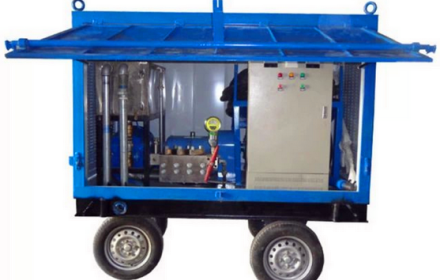
High-pressure concrete roughening equipment
500 – 1500 Bar
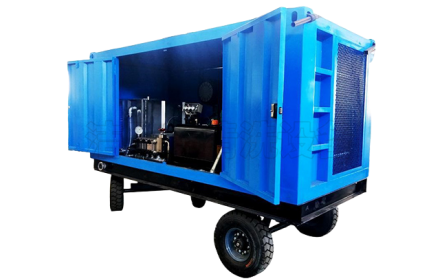
High-pressure plunger water pump
200 – 1500 Bar
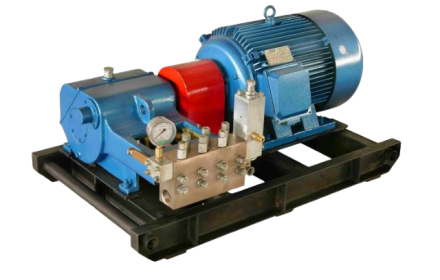
High-pressure sewer drain machine
200 – 500 Bar
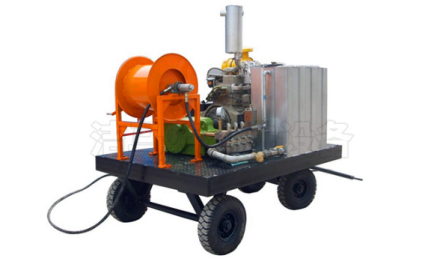
High-pressure hot water cleaning machine
200 – 300 Bar
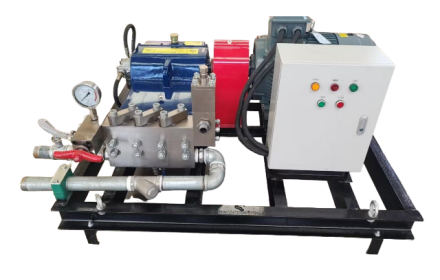
High-pressure grouting pump
500bar
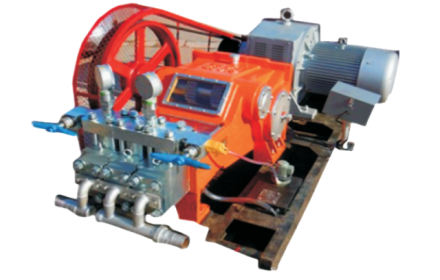
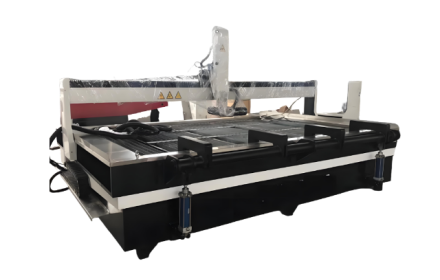
Water jet cutting machine
350 – 3000 Bar
High-pressure test pump
50 – 750 Bar