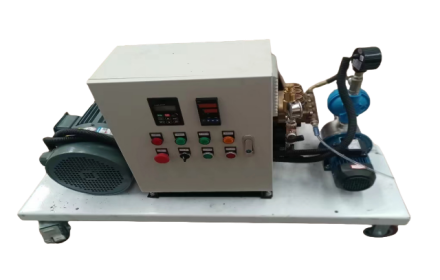
Mold High-Pressure Cleaning Machine
Mold high-pressure cleaning — built for rubber, plastics, and die casting manufacturers who need faster turnaround and zero compromise on cavity precision.
✅ Cold water, full industrial pressure up to 700 Bar
✅ Matched to your mold type, contaminant, and cleaning cycle
✅ Factory-direct, export-ready, with full technical support
Industrial Mold High-Pressure Cleaning Machine
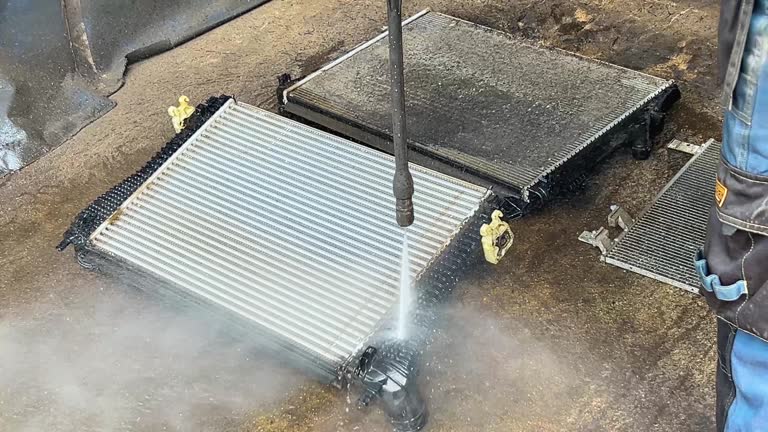
Traditional mold cleaning methods — chemical soaking, manual scrubbing, or dry ice blasting — are slow, costly, and inconsistent. Chemical baths generate hazardous waste. Dry ice equipment demands expensive consumables. Neither scales efficiently when your production line runs multiple mold changes per shift. Downtime accumulates. Defect rates climb. Your output pays the price.
Our cold-water high-pressure mold cleaning machines deliver up to 700 Bar — enough to strip hardened carbon deposits, residual resin, and release agent buildup in a fraction of the time. Factory-direct supply means no distributor markup, longer warranty coverage, and export-ready units shipped to over 40 countries. One machine. Measurable ROI from the first cleaning cycle.
Your mold type determines the right pressure. Tell us your application — get a free spec match within 24 hours.
Mold High-Pressure Cleaning Machine for Sale
Not all mold cleaning challenges are equal. A rubber vulcanization mold caked with hardened carbon deposits demands very different pressure and flow than a precision injection cavity with resin flash or a heavy die casting tool after a full production run. That is why our line spans three series — each engineered around a specific contamination profile, mold material, and production environment. Below are the units we manufacture and export directly.
Recommended Models: Industrial Mold High-Pressure Cleaning Machine for Sale
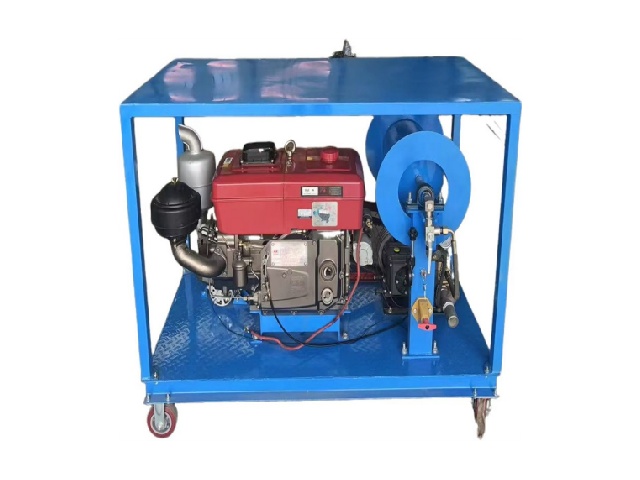
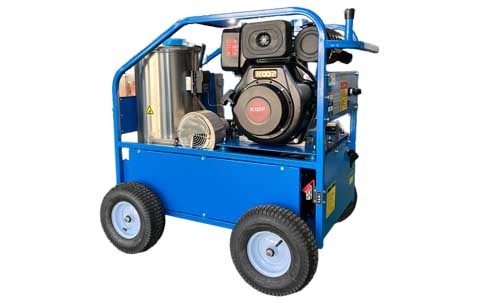
Recommended Equipment 1:
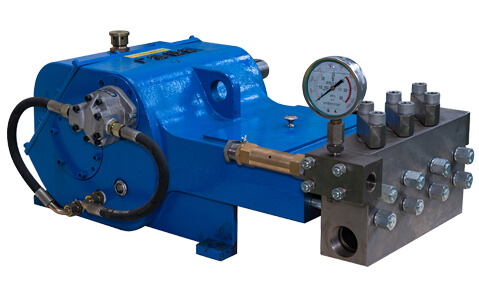
Power and working capability for heavy-duty industrial cleaning.
| Model | JMT-1 |
| Outlet Pressure | 180bar/2600psi |
| Water Flow Rate | 55L/min |
| Plunger Diameter | 28mm |
| Number of Plungers | 3 |
| Input Speed | 1480r/min |
| Pump Speed | 405r/min |
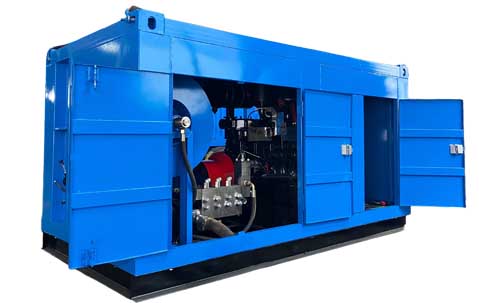
| Diesel Engine Power | 28HP |
| Water Inlet Size | 1.5-inch |
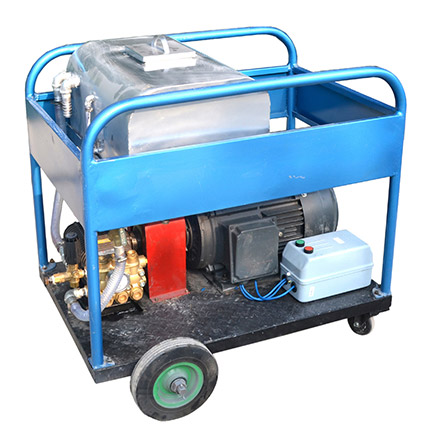
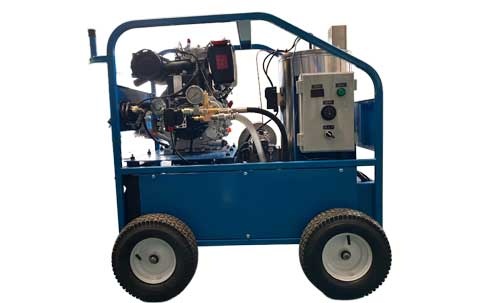
Recommended Equipment 2:
High pressure output and removal of heavy dirt and oil in Industrial cleaning.
| Model | JMT-23/200 |
| Rate Pressure | 200bar/3000psi |
| Water Flow Rate | 23L/min |
| Plunger Diameter | 18mm |
| Speed | 1480rpm |
| Electric power | 7.5kw, 3Phase, 380v/50Hz |
| Watertank | Volume 150L |
| Y-type Filter | Water inlet filter |
| Movable chassis | With 4 small wheels |
Already know what you need? Tell us your mold type — get factory-direct pricing and full specs within 24 hours.
Why Choose Us as Your Industrial Mold High-Pressure Cleaning Machine Supplier?
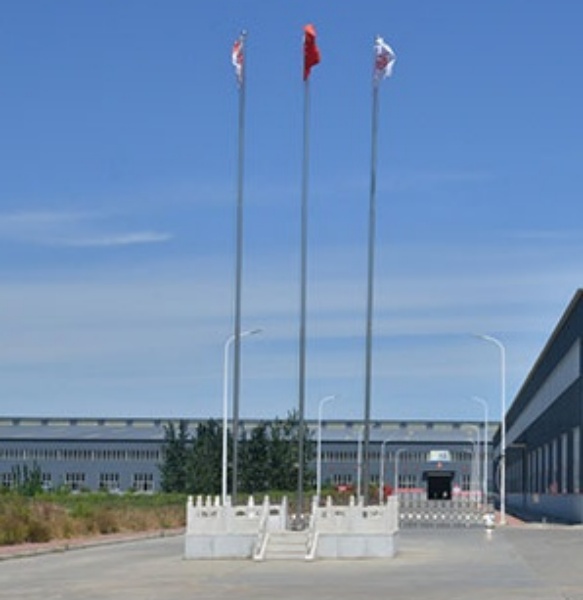
In an industry flooded with middle-men, we stand out as a mold high pressure cleaning machine manufacturer in China that owns the entire process—from the initial CAD drawing to the final sea-freight container. The JMT-1 series cold water high-pressure washers for sale are available through multiple convenient channels to meet diverse customer needs. Buyers can choose factory direct sales without any difficulty.
Unlike standard high pressure washer factories, we have achieved full vertical integration by manufacturing our own core components. This dual capability—serving as both a high-volume production hub for High Pressure Roof Cleaning Machines and High-Pressure Brick Cleaning Machines, and a precision-driven manufacturer—allows us to guarantee superior quality while significantly reducing procurement costs for our global partners.
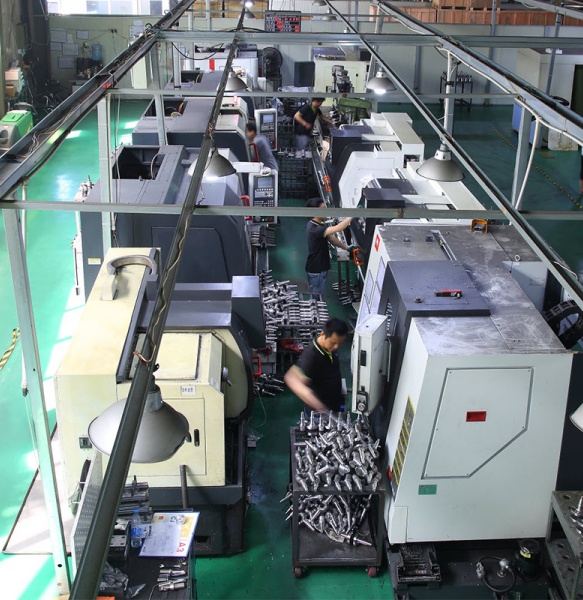
Our Independent R&D Team
Brand Guarantee
Our status as a motor high-pressure washer factory ensures that every unit—from a 1400W high-pressure washer manufacturer specification to a high-power pressure washer manufacturer-grade motor—is built to industrial standards.
Heavy-Duty industrial systems
Our high-pressure washer factories feature multiple specialized assembly lines, enabling us to fulfill both large-scale orders and high-end customization requirements simultaneously.
Customization OEM
As a flexible high-pressure washer supplier, we offer extensive customization — from design to final assembly — ensuring every unit precisely meets your requirements.
Strict testing protocols
Every unit leaves our facility built to vehicle-manufacturer-grade standards, with high-pressure hoses rated at 2.5–3.5x working pressure.
After-sales arrival support
Warranty Policy
Warranty claims are straightforward: contact our after-sales team with a description and photo/video documentation, receive a diagnosis and resolution proposal within 48 hours. Extended warranty and priority response are available for bulk orders — contact us to discuss.
Technical Support
- Pre-purchase: Free engineering consultation on specifications and custom solutions for non-standard applications.
- Production: Regular updates and third-party inspection support for bulk orders.
- Post-delivery: Remote diagnosis via video/photo, multilingual manuals, video training, and 24-hour inquiry response.
Spare Parts Supply
We stock all primary wear parts (standard orders ship within 3 days, expedited available), include a 12–18‑month parts list at no extra freight, and guarantee 8‑year parts availability — because for international buyers, idle machines waiting for components mean direct production loss.
Our Certifications

Our Global Export & Logistics Capabilities
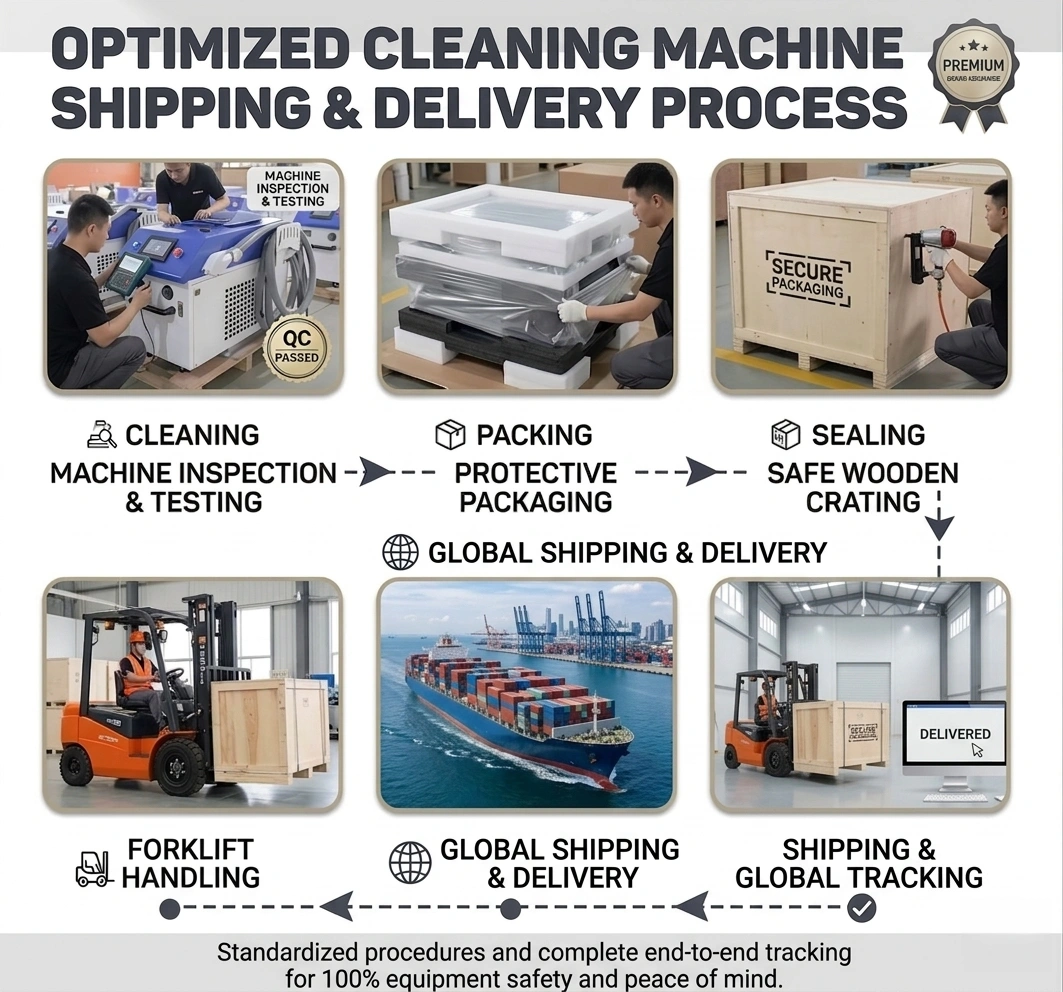
Pre-shipment inspection & testing
Before any mold high pressure cleaning machine leaves our facility, it undergoes a 100% QC check. We test the pump’s pressure stability, engine thermal limits, and safety valve triggers. A “QC Passed” certificate and a detailed testing video are provided to the client for peace of mind.
Logistics & export documentation
- Bills of Lading (B/L)
- Commercial Invoices & Packing Lists
- Certificates of Origin (CO)
- Compliance Certificates (CE/EPA/UL)
Direct factory advantage
We offer direct factory-to-customer shipping. This means you source directly from our high-pressure washer factories, bypassing all intermediaries and ensuring the fastest possible lead times
Mold High-Pressure Cleaning Machine Technical Parameters and Performance
When selecting a high-pressure cleaning machine for mold maintenance or large-scale industrial floor restoration, understanding the practical implications of technical specifications is far more critical than simply comparing numbers. Because mold surfaces often harbor stubborn carbon deposits and chemical residues, while industrial floors face the dual challenges of deep oil penetration and massive square footage, the following parameters serve as the essential benchmarks for professional-grade performance.
Pressure Range(PSI/Bar)
In industrial mold maintenance, pressure is the primary force required to overcome the bond between contaminants and the metal substrate. The ideal machine must offer a versatile range to handle both heavy-duty stripping and delicate finishing.
- Carbon & Residue Stripping: For die-casting or rubber molds with stubborn carbon buildup, a pressure range of 2,500 to 4,000 PSI (170 – 275 Bar) is recommended to ensure fast cycle times without manual scraping.
- Precision Surface Protection: High-gloss or textured molds require a “Soft-Touch” capability. Ensure the unit supports adjustable unloading valves to drop pressure to 1,000 PSI for safe rinsing of delicate parting lines.
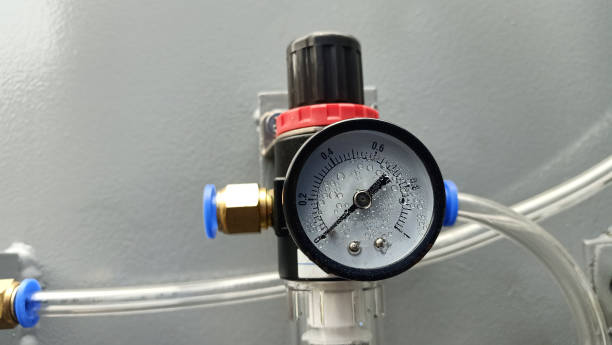
- Consistent Output: Professional-grade machines utilize high-precision regulators to maintain a pressure variance of less than ±5%, preventing accidental “pitting” caused by sudden pressure spikes.
Always match pressure to surface type — applying maximum output on sealed or coated floors risks delamination.
Flow Rate Range(GPM or L/min)
While PSI cracks the dirt, the Flow Rate (Gallons Per Minute) determines how quickly that dirt is flushed away. For molds with complex geometries and deep cavities, GPM is often more critical than raw pressure.
- Volume-Driven Cleaning: An industrial flow rate of 2.6 to 4.0 GPM (10 – 15 L/min) creates the necessary “water hammer” effect to flush emulsified oils out of deep ejector pin holes and narrow vents.
- Cooling Channel Descaling: When clearing internal cooling lines, a higher flow rate ensures that loosened scale and calcium deposits are fully evacuated rather than resettling in the bends of the circuit.
- Efficiency Gains: Increasing GPM from 2.0 to 4.0 can reduce total cleaning time by up to 40%, significantly lowering labor costs and reducing machine downtime during production shifts.
Always verify inlet water supply capacity; inadequate flow starves the pump and accelerates wear.
Pump Engineering & Component Grade
For SEO and buyer trust, highlighting the “internal hardware” is essential. Mold cleaning is a high-duty cycle task that will quickly burn out consumer-grade plastic pumps.
- Triplex Plunger Pumps: Demand a forged brass or stainless steel manifold paired with solid ceramic plungers. This combination resists thermal shock and abrasive wear from mineral-heavy industrial water.
- Heavy-Duty Seals: Ensure the pump is fitted with high-temperature V-packings (e.g., Viton or Teflon-based), rated for continuous operation in high-heat environments without losing suction.
- Total Stop System (TSS): An integrated pressure switch that shuts down the motor when the trigger is released. This prevents bypass-mode overheating, protecting the pump seals and extending the motor life by 3x.
For Southeast Asia and Middle East export markets, diesel configurations are frequently the preferred specification given on-site infrastructure conditions.
Ready To Take The Next Step
Every specification covered in this section — pressure, flow rate, and pump engineering & component grade— directly impacts both what you pay and what you get back over the machine’s operational life. All models are now available for immediate order.
Now, you can reach out to our sales team. Contact us today.
Which Mold Cleaning Method Is Right for You?
Four cleaning methods dominate industrial mold maintenance. Each has a legitimate use case — but when evaluated against the demands of mid-to-large production environments, the differences in cost, compliance burden, and operational flexibility are significant. Here is how they compare.
Chemical Soaking
Chemical immersion remains common in smaller facilities, but scales poorly in high-volume manufacturing:
- Solvent and acid-based solutions effective on light resin residue, but struggle with hardened carbon deposits on rubber molds
- Chemical procurement, storage, and disposal are subject to increasingly strict environmental regulations across the EU, Southeast Asia, and Gulf markets
- Hazardous waste handling adds recurring compliance costs that rarely appear in initial budget comparisons
- Operator exposure risk requires PPE protocols and ventilation infrastructure — indirect overhead that compounds at scale
- Cleaning cycle times of 4–12 hours per mold make reactive deployment impractical on active production lines
Dry Ice Blasting
Dry ice cleaning produces no secondary waste and leaves no moisture — advantages that make it popular in food and pharmaceutical tooling. For industrial mold cleaning, the economics are harder to justify:
- Capital equipment cost for a dry ice blasting unit typically runs $15,000–$40,000 — before consumable dependency is factored in
- Dry ice pellets must be produced or purchased continuously; storage requires specialised insulated containers with limited shelf life
- Effective on surface contamination, but penetration into deep cavities and blind features is limited compared to high-pressure water jet
- Operator training requirements and CO₂ exposure management add operational complexity in enclosed workshop environments
Ultrasonic Cleaning
Ultrasonic systems excel in precision cleaning of small, complex components — but the application ceiling is a hard constraint:
- Tank size physically limits the molds that can be processed; most industrial ultrasonic units max out at components under 60cm in any dimension
- Large rubber vulcanization molds, automotive die casting tools, and multi-cavity injection molds fall entirely outside the viable size range
- Effective for fine detail cleaning on small cores and inserts, but cannot replace a full-mold cleaning workflow
- High unit cost for large-format tanks, with limited throughput when cleaning molds sequentially rather than in batch
Cold Water High-Pressure Cleaning
High-pressure cold water jet cleaning addresses the core limitations of all three alternatives:
- No chemicals, no consumables beyond water — operating cost reduces to energy and labour once the unit is installed
- Pressure range of 200–700 Bar handles contamination from light release agent film through to hardened carbon deposits on heavy rubber molds
- Fully mobile or fixed-station configurations adapt to workshop layout without structural modification
- No secondary waste stream — wastewater management is straightforward compared to chemical disposal compliance
- Cleaning cycle of 30–90 minutes per mold fits standard shift changeover windows with no additional downtime
- Factory-direct JMT-series units cover the full pressure range required across rubber, plastics, and die casting applications — with export-ready configuration for global facilities
Not sure which method your facility has outgrown? Tell us your mold type and current cleaning process — we’ll show you where high-pressure water delivers the clearest advantage.
How to Choose Mold High-Pressure Cleaning Machine
Selecting the right equipment is not just about raw power; it’s about matching the machine’s technical output to your specific production environment and mold types. Use this checklist to narrow down your requirements.
Identify Your Contamination Type — Pressure vs Temperature
The nature of the residue on your molds dictates the core configuration of the machine.
- Heavy Carbon & Burnt-on Residue: If you are dealing with die-casting or rubber injection, you need high mechanical force. Look for machines delivering 3,000+ PSI to strip carbon without manual scraping.
- Waxy Release Agents & Anti-Rust Oils: These are chemically resistant to cold water. If your primary goal is removing grease or wax, prioritize a Hot Water / Steam capable machine (up to 194°F/90°C) over higher pressure. Heat emulsifies oil faster than water can blast it.
- Delicate Textures: For high-gloss or micro-textured molds, ensure the machine has a High-Precision Unloader Valve to dial down pressure to a safe rinsing level.
Assess Your Facility Environment — Electric vs Engine Driven
The physical location of your cleaning station determines the best power source.
- Indoor Cleanrooms & Production Lines: Electric-powered units are the standard. They produce zero emissions and operate at lower noise levels. Ensure your facility has the required voltage (3-Phase 380V-440V is common for industrial-grade pumps).
- Outdoor Maintenance & Large Scale Yards: If you are cleaning oversized molds or equipment in areas without easy power access, a Petrol or Diesel engine-driven machine provides the necessary mobility and high-torque performance.
Match Machine Class to Your Cleaning Frequency
Are you cleaning a single mold once a week, or running a 24/7 maintenance cycle?
- Intermittent Use: For small workshops, a light-duty industrial machine with a brass pump head is sufficient.
- Continuous Production Cycles: If the machine will run for several hours daily, demand a Low-Speed Motor (1450 RPM) and Solid Ceramic Plungers. Lower RPM reduces heat buildup and wear, ensuring the machine doesn’t fail during a critical production window.
Evaluate Portability and Accessory Compatibility
Mold cleaning often requires reaching tight spaces and internal cooling circuits
- Ergonomics: Look for a compact, wheeled chassis if you need to move between different injection molding machines.
- Specialized Lances: Ensure the machine supports quick-connect accessories like 90-degree lances for underside cleaning or Turbo nozzles for deep-seated grime in mold cavities.
Tell us your application — we’ll match you with the right machine model and provide a competitive FOB quote.
Hot Selling High Pressure Washer Models
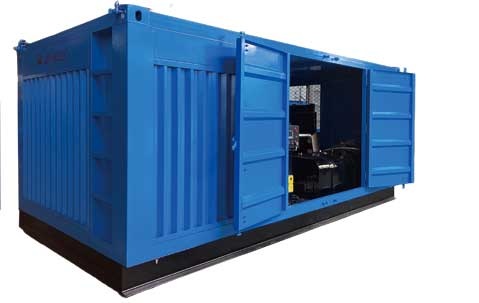
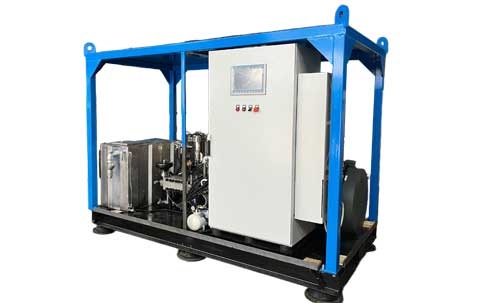
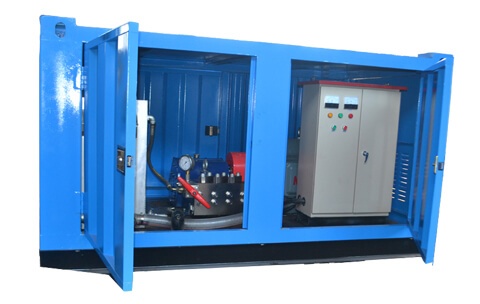
The High-Pressure Hot Water Cleaner is a heavy-duty cleaning machine that delivers scalding hot water (up to 80–95°C / 176–203°F) combined with high-pressure jets (up to 100–200 bar) to blast away grease, oil, dirt, and tough stains.
Here are some hot selling models, and you can always contact us for a customized machines.
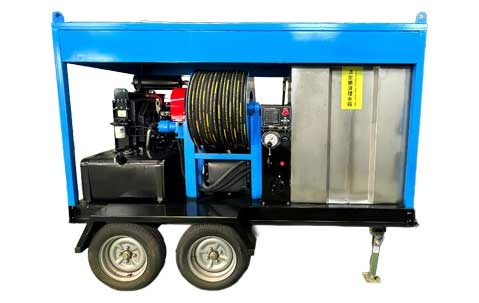
Mold High-Pressure Cleaning Machine for Industrial Applications
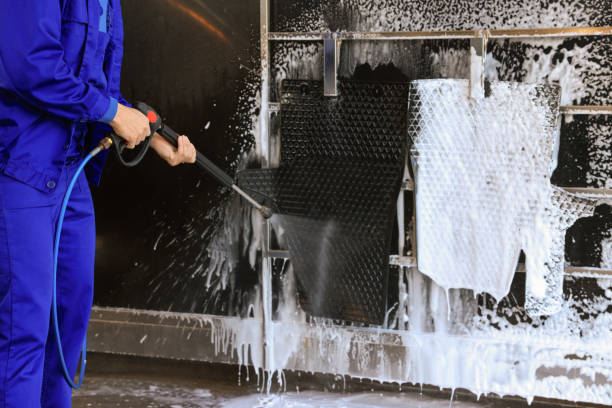
While engineered for precision mold maintenance, the industrial-grade power of this machine makes it a high-performance solution for large-scale roofing restoration. From delicate tiles to expansive factory sheeting, the adjustable pressure system ensures deep cleaning without structural damage.
Clay & Concrete Roof Tiles — Precision Pressure for Fragile Surfaces
Cleaning residential or commercial tile roofs requires a delicate balance between force and safety. Using an un-regulated machine can lead to cracked tiles or water ingress.
- Target Keyword: Pressure washer for roof tiles
- Optimal Pressure: Maintain a range of 150 – 200 Bar (2100 – 2900 PSI). This is the “sweet spot” for removing deep-seated lichen and moss from porous clay or concrete without stripping the protective surface glaze.
- Technique: Use a 40-degree wide-angle nozzle or a surface cleaner attachment to distribute the force evenly, preventing the high-pressure stream from dislodging the tiles.
Metal Roof Panels & Sheeting — Restoring Industrial Assets
Factory rooftops and warehouses are prone to oxidation, bird droppings, and industrial pollutants that can lead to premature corrosion.
- Target Keyword: Metal roof high pressure cleaning
- Heavy-Duty Stripping: Metal roofs can withstand higher pressures, typically 250+ Bar. This is effective for stripping away loose rust and preparing the surface for anti-corrosive recoating.
- Chemical Integration: Our machines support downstream detergent injection, allowing you to apply specialized surfactants that break down bird guano and acidic pollutants before the final high-pressure rinse.
Flat Concrete Rooftops — Maximizing Efficiency on Large Areas
Commercial buildings and municipal rooftops often suffer from thick layers of grime, stagnant water stains, and heavy moss growth
- Target Keyword: Concrete roof panel cleaning machine
- High-Flow Advantage: For these expansive flat surfaces, the high flow rate (15+ L/min) of our industrial units is critical. It ensures that loosened sludge is flushed toward the drainage points rather than just being moved around.
- Surface Prep: When used with a Rotating Turbo Nozzle, the machine can achieve a deep-pore clean on concrete panels, restoring the original grey finish and improving the adhesion of waterproof membranes.
Not sure which model fits your environment? Our technical team will match the right machine to your site — no obligation. We’ll provide a matched recommendation and factory-direct quotation within 24 hours.
Industrial Mold High-Pressure Cleaning Machine Price & Cost
Understanding the investment required for a professional mold cleaning system involves looking beyond the initial sticker price. The total cost is determined by the machine’s engineering grade, performance specifications, and long-term operational efficiency.
The Hidden Cost of Dirty Molds — Why Cleaning Frequency Matters
Production Losses That Accumulate Before You Notice
- Surface contamination reduces cavity dimensional accuracy by 0.05–0.2mm, pushing precision components outside tolerance
- Rejection rates on rubber and plastic parts typically rise 8–15% before mold condition is identified as root cause
- Release agent buildup accelerates ejector pin wear, increasing tooling replacement frequency and unplanned repair costs
- Each emergency cleaning stoppage costs 2–4 hours of lost production versus 30–90 minutes for a scheduled clean
The Real Cost Comparison
- One unplanned stoppage on a mid-volume rubber line costs an estimated $800–$2,500 in lost output per event
- Facilities running 6–8 molds reactively average 4–6 unplanned stoppages per quarter — totalling $4,000–$15,000 in downtime losses
- Scrap material, rework labour, and late-delivery penalties add costs that rarely appear in maintenance budgets
- A factory-direct JMT-series machine typically recovers its full purchase cost within one to two production quarters
What Scheduled Cleaning Actually Delivers
- Planned 30–90 minute cleaning windows fit within standard shift changeover — zero additional downtime required
- Early-stage carbon removal needs less pressure and less time than cleaning hardened, neglected buildup
- Consistent cavity maintenance measurably extends mold service life, reducing tooling replacement frequency
- Predictable cleaning schedules reduce late-delivery risk and protect client commitments
Price Range by Performance Tiers
Industrial cleaning equipment is generally categorized by its pressure output and duty cycle. Below are the estimated price benchmarks for professional-grade units:
- Light-Duty Industrial (150 – 200 Bar): Typically ranging from $800 to $1,500. These units are ideal for small-scale workshops and intermittent cleaning of plastic injection molds.
- Heavy-Duty Professional (250 – 350 Bar): Priced between $2,500 and $5,500. These machines feature triplex plunger pumps and high-torque motors designed for daily, multi-shift operations.
- Extreme-Duty / Hot Water Systems (400+ Bar or Steam): Prices start from $6,500 to $12,000+. These high-end systems include integrated boilers for oil emulsification and are built for the most demanding industrial environments.
Variables That Influence Your Final Quote
Several technical factors can cause the price to fluctuate. When requesting a quote, consider how these variables impact your ROI
- Pressure & Flow Rate: Higher PSI and GPM require more robust pump manifolds and higher-kilowatt motors, which increases the manufacturing cost.
- Power Source: Standard electric models are generally more cost-effective. However, petrol or diesel-driven engines add a premium due to the complexity of the internal combustion system and mobility frames.
- Heating Modules: Adding a diesel-fired burner or electric heating coil for hot water cleaning typically increases the price by 30% – 50% but significantly reduces cleaning time and chemical costs.
- Premium Components: Machines equipped with Italian-made pumps (e.g., AR, Bertolini) or high-grade ceramic plungers command a higher price but offer a much longer service life.
Factory Direct Supply vs Local Distributor Sourcing
Choosing where to buy is a strategic decision that affects both your upfront cost and after-sales support:
- Factory Direct (OEM/ODM): Purchasing directly from the manufacturer often results in a 20% – 40% cost saving by eliminating middleman markups. This is the best route for bulk orders or custom technical specifications.
- Local Distributors: While the initial price may be higher due to import duties and local margins, distributors offer the advantage of immediate stock availability, local training, and on-site maintenance services.
We export directly to 40+ countries. There is no regional exclusivity that prevents direct purchasing.
Get factory-direct pricing matched to your mold type and production volume — no middleman markup.
Some Tips Before Buying an Industrial Mold High-Pressure Cleaning Machine
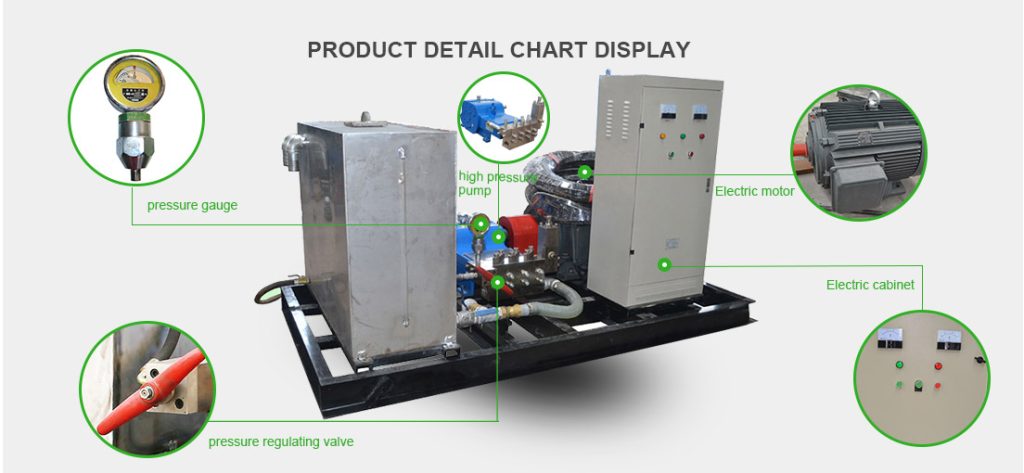
Purchasing an industrial mold high-pressure cleaning machineis a significant capital investment. To ensure you select a machine that delivers long-term reliability and a high Return on Investment (ROI), consider these expert tips before finalizing your order.
Don’t Just Chase High PSI — Look at the Cleaning Units
- A common mistake is focusing solely on the Pressure (PSI). In the industrial world, the true measure of performance is Cleaning Units (PSI × GPM).
- The Balance: High pressure cracks the dirt, but high flow (GPM) carries it away. If you have 4,000 PSI but only 2.0 GPM, you will clean very slowly. For mold maintenance, ensure your machine has enough “volume” to flush out emulsified oils from deep cavities and cooling channels.
- Efficiency Tip: A machine with slightly lower pressure but higher flow often cleans 25% – 30% faster in industrial environments.
Custom configurations — extended hose assemblies, motorized reels, multi-gun outlets — are priced at quotation stage.
Verify the Pump’s Duty Cycle and RPM
Industrial machines are often classified by their motor speed, which directly impacts the machine’s lifespan.
- 1450 RPM vs. 2800 RPM: Always prioritize a low-speed motor (1450 RPM). These pumps run cooler, vibrate less, and the seals last significantly longer. High-speed pumps (2800 RPM) are cheaper and lighter but are prone to overheating during continuous multi-shift operations.
- Continuous Rating: Ask the manufacturer if the machine is “Continuous Duty Rated.” A true industrial mold cleaner should be able to run for 6–8 hours without thermal shutdown.
Check for Maintenance-Friendly Engineering
In a production-heavy environment, downtime is expensive. Your machine should be easy to service by your on-site team
- Accessible Pump Head: Ensure the manifold can be removed without disassembling the entire frame. This allows for quick seal or valve replacements.
- Standardized Fittings: Check if the machine uses standard M22 or 3/8″ Quick-Connect fittings. Avoid proprietary connectors that force you to buy expensive, brand-specific hoses and lances.
- Visual Oil Sight Glass: A simple but vital feature. It allows your operators to check the pump oil level and clarity at a glance, preventing catastrophic pump failure due to oil contamination.
Consider the Total Cost of Ownership (TCO)
The cheapest machine in the catalog often becomes the most expensive over three years.
- Energy Efficiency: High-efficiency motors (IE2/IE3 grade) can save hundreds of dollars in electricity costs annually in high-use facilities.
- Spare Parts Availability: Before buying, ask for a “Wear Parts Kit” quote (seals, O-rings, valves). A reputable manufacturer will have these in stock and ready for immediate air-freight.
- Water Source Compatibility: If your facility uses “hard water” or recycled water, ensure the machine includes a high-capacity inlet filter to protect the ceramic plungers from abrasive minerals.
Get it right before you buy — send us your mold specs for a free pre-purchase consultation.
Our Industrial Mold High-Pressure Cleaning Machine Applications & Real Cases Worldwide
Applications
Our industrial mold high-pressure cleaning machines provide a high-precision, chemical-efficient solution for stripping stubborn carbon deposits and burnt-on polymers from complex injection molds, ensuring maximum production uptime and asset longevity.
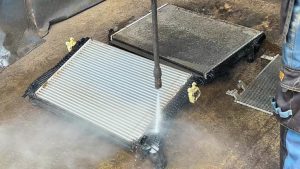
Industrial Roofing & Building Envelope Restoration
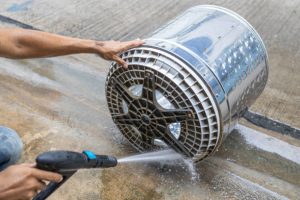
Precision Manufacturing & Tooling Maintenance
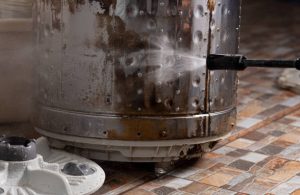
Heavy-Duty Facility & Floor Cleaning
Global Real Cases
From Southeast Asia to the Middle East and Europe, industrial facilities and infrastructure contractors worldwide rely on our machines to deliver consistent, large-scale pipeline cleaning results — factory-direct, configured for local conditions.
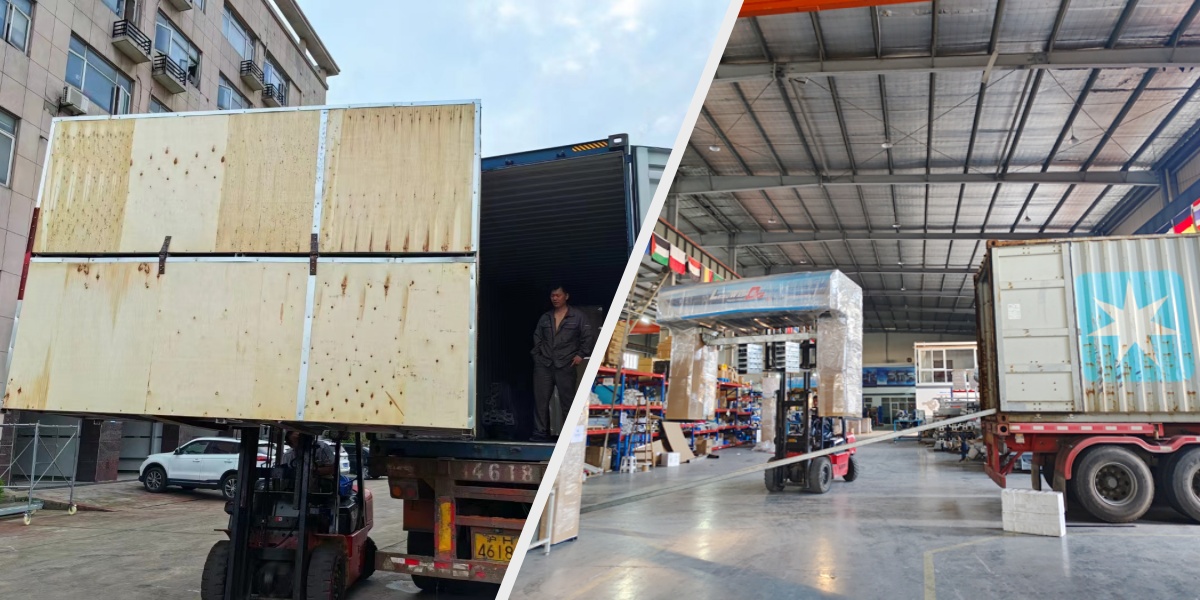
Case Study 1
Southeast Asia — Thailand Food Processing Factory | Food-Grade Mold Sanitation
A Thai food factory needed to remove stubborn organic residues and bacteria from complex food-grade molds while meeting strict hygiene standards. We supplied an industrial Mold High-Pressure Cleaning Machine with a specialized hot water module. The factory achieved deeper cleaning of mold cavities, reduced downtime significantly, and reported more consistent compliance with food safety inspections compared to manual scrubbing methods
Case Study 2
Middle East — UAE Manufacturing Hub | Industrial Die-Casting Mold Maintenance
A die-casting facility in the UAE required a reliable method to strip heavy carbon buildup and anti-rust oils from high-traffic production molds. We provided a High-Pressure Mold Cleaning Machine with high-flow output and precision turbo nozzles. The maintenance team achieved faster cleaning cycles, preserved the integrity of mold parting lines, and extended the service life of their high-value industrial assets.
Case Study 3
Europe — Germany Manufacturing Plant | Precision Tooling & Workshop Cleaning
A German plant needed to remove metal dust, coolant residues, and industrial grime from precision molds and workshop surfaces without disrupting operations. We supplied an electric Mold High-Pressure Cleaning Machine designed for indoor industrial environments. The plant reported improved cleaning efficiency, safer handling of precision tooling, and significantly reduced labor requirements while maintaining the high-dimensional accuracy required for their molding processes
Whether you are searching for an Industrial mold high pressure cleaning machine India or a specialized unit in the Americas, our export infrastructure is built to support you.
. QUESTIONS
Common Questions
Which matters more — flow rate (LPM/GPM) or pressure (bar/PSI)?
Pressure determines penetration force. Flow rate determines coverage speed. Neither substitutes for the other — under-specifying either parameter compromises cleaning performance. Combined performance is measured as Cleaning Units (CU) = PSI × GPM — a more reliable indicator than pressure or flow rate alone.
What Types of Molds Can a Mold High Pressure Cleaning Machine Clean?
- Industrial Concrete & Epoxy Floors: Deep-cleans heavy tire marks, metal dust, and coolant residues in high-traffic production zones.
- Oily Workshop & Loading Docks: Emulsifies stubborn grease and anti-rust lubricants to ensure a safe, slip-resistant facility environment.
- Textured Stone & Brick Pavements: Strips deep-seated moss, algae, and environmental grime from outdoor walkways and loading areas.
How Much Pressure Is Needed for Effective Mold Cleaning?
To achieve optimal results without damaging high-value assets, the pressure should be matched to the specific contamination level:
- 1000–1500 PSI for Delicate Rinsing: Ideal for high-gloss molds or light rinsing of release agents without affecting precision textures.
- 2500–3000 PSI for General Maintenance: The standard range for effectively stripping most industrial oils, coolants, and light residue buildup.
- 3500–4000 PSI for Stubborn Decarbonization: Necessary for blasting away hardened carbon deposits and polymers from heavy-duty die-casting molds.
Can your machines be configured to work with our existing factory water supply conditions?
Inlet water compatibility:
- Standard inlet rated to 25°C; optional 50°C inlet configuration available
- Compatible with municipal supply, tank-fed systems, and remote site water sources
- Variable inlet pressure conditions assessed at inquiry stage — configuration recommended by engineering team
What is your minimum order quantity (MOQ), and do you support custom orders?
MOQ is 1 unit for standard configurations. OEM and custom orders — covering pressure, drive, mobility, hose, nozzle, and branding — are confirmed at quotation stage. Submit requirements for a factory quotation.
Do you supply spare parts, accessories, and protective gear?
Yes, absolutely. We are not just an assembly factory; we are a comprehensive high-pressure washer pump factory and accessories manufacturer.
What are your payment terms?
T/T, L/C, Trade Assurance(By Alibaba), Western Union.
Still have questions? Contact our engineers now.
Our Hot Selling High Pressure Machine
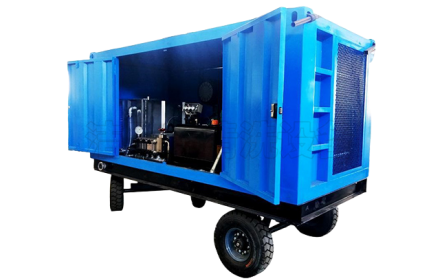
High-pressure cleaning machine
200 – 1500 Bar
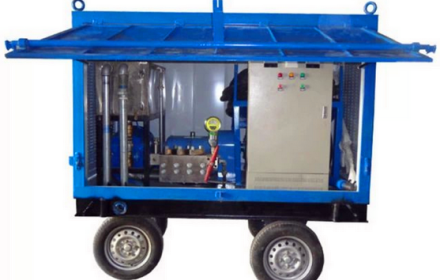
High-pressure concrete roughening equipment
500 – 1500 Bar
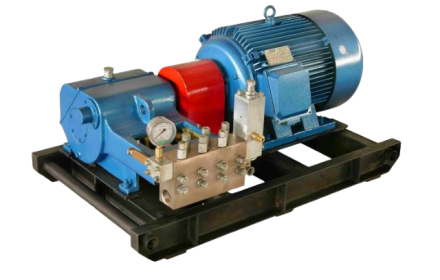
High-pressure plunger water pump
200 – 1500 Bar
High-pressure sewer drain machine
200 – 500 Bar
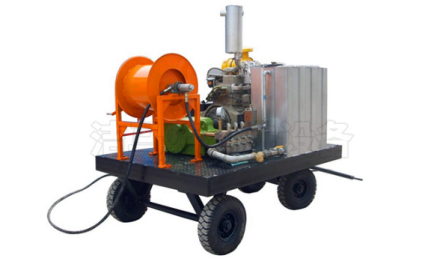
High-pressure hot water cleaning machine
200 – 300 Bar
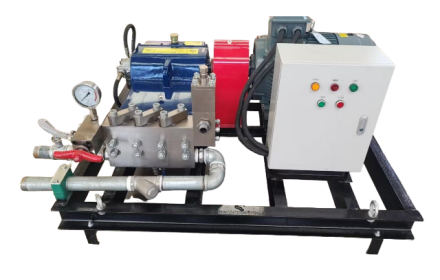
High-pressure grouting pump
500bar
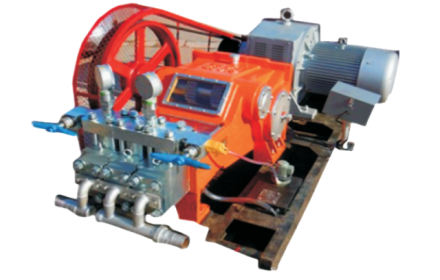
Water jet cutting machine
350 – 3000 Bar
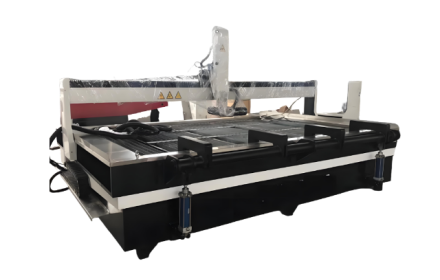
High-pressure test pump
50 – 750 Bar
Mold High-Pressure Cleaning Machine
Mold high-pressure cleaning — built for rubber, plastics, and die casting manufacturers who need faster turnaround and zero compromise on cavity precision.
✅ Cold water, full industrial pressure up to 700 Bar
✅ Matched to your mold type, contaminant, and cleaning cycle
✅ Factory-direct, export-ready, with full technical support